
Meta description: Discover the significance of full moon days in Sri Lanka, a time for spiritual rituals, ceremonies, and national public holidays.
In Sri Lanka, full moon days are a time for celebration, reflection, and spiritual growth. Known as Poya Days, these sacred days are steeped in Buddhist history and tradition. As the full moon rises high in the night sky, Sri Lankans come together to mark the occasion with rituals, ceremonies, and a sense of community. From the bustling streets of Colombo to the tranquil temples of Kandy, the full moon day is a time for connection, contemplation, and joy. In this article, we'll delve into the world of Poya Days, exploring the significance, traditions, and experiences that make these days so special in Sri Lanka.
The Significance Of Poya Days
Poya Days are a cornerstone of Sri Lankan culture, marking important events in Buddhist history and tradition. These days are a time for spiritual reflection, a chance to connect with the divine and seek guidance. The full moon is believed to hold spiritual significance, representing the peak of spiritual energy and enlightenment. As the moon reaches its fullest point, Sri Lankans come together to celebrate, pray, and seek blessings. From the sacred rituals of the temple to the vibrant street festivals, Poya Days are a time for celebration, community, and spiritual growth. With government offices closed and alcohol sales restricted, the day is dedicated to spiritual pursuits, allowing individuals to focus on their inner journey. Whether you're a Buddhist or simply a curious traveler, Poya Days offer a unique glimpse into Sri Lankan culture and tradition.
Spiritual Rituals And Ceremonies
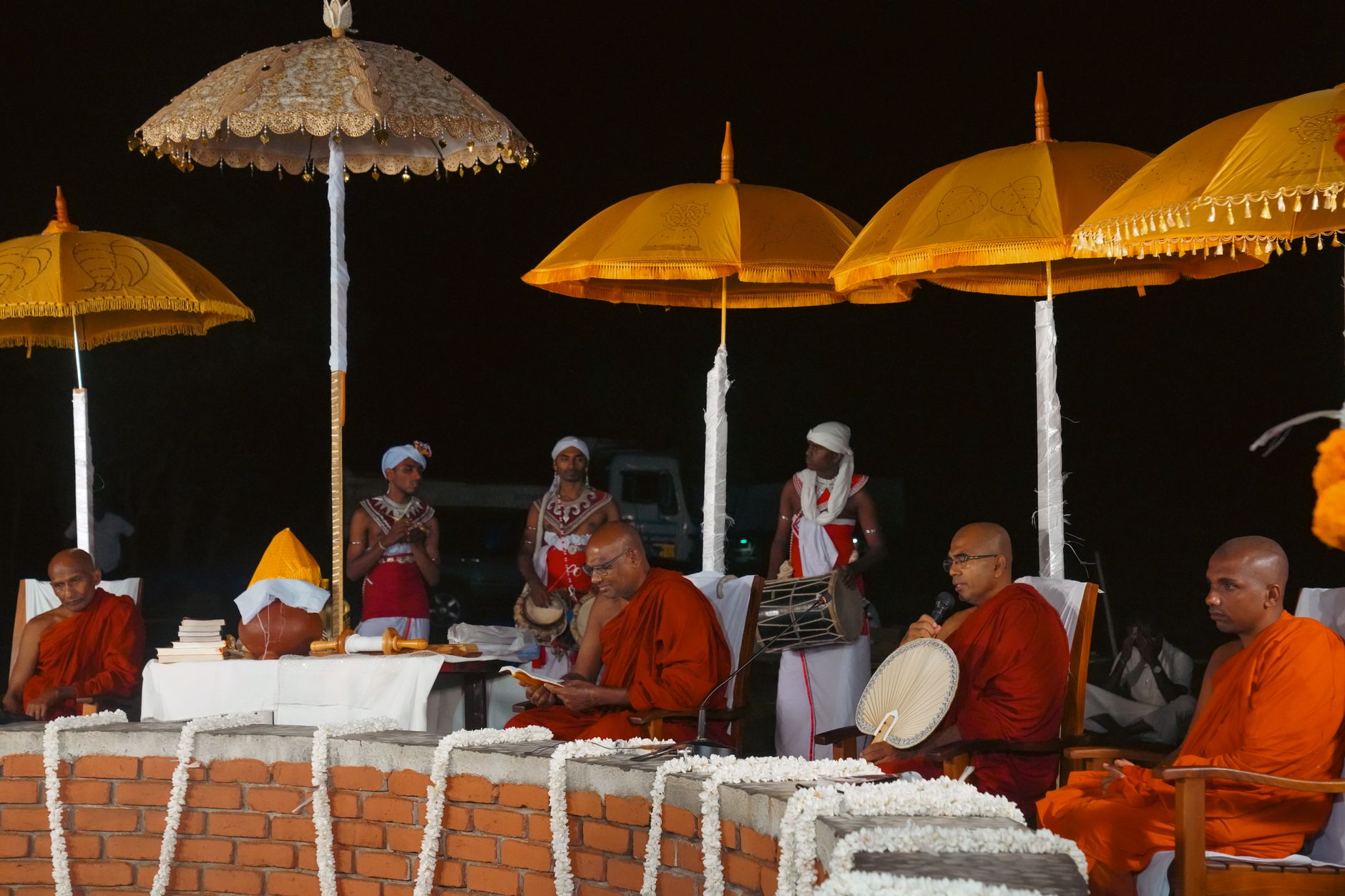
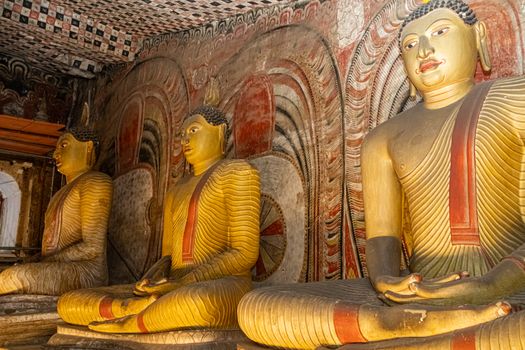
On Poya Days, Sri Lankans participate in a range of spiritual rituals and ceremonies, each designed to promote spiritual growth and connection. From meditation and chanting to offerings and prayers, these rituals are an integral part of the day's celebrations. In the temples, monks and devotees gather to perform sacred ceremonies, seeking blessings and guidance from the Buddhist deities. The air is filled with the sweet scent of incense, the sound of chanting, and the gentle rustle of traditional clothing. As the day progresses, the streets come alive with vibrant festivals, colorful processions, and traditional music. Whether you're participating in the rituals or simply observing, Poya Days offer a truly immersive experience, allowing you to connect with the heart and soul of Sri Lankan culture.
National Public Holidays
Poya Days are not only significant for their spiritual importance but also for their status as national public holidays. On these days, government offices, schools, and many businesses are closed, allowing individuals to focus on their spiritual pursuits. The restrictions on alcohol sales also contribute to a sense of calm and tranquility, promoting a day of reflection and contemplation. As the country comes together to celebrate, the streets are filled with a sense of community and connection. From family gatherings to traditional festivals, Poya Days are a time for Sri Lankans to reconnect with their heritage, their culture, and their spiritual traditions. For travelers, these days offer a unique opportunity to experience the authentic culture of Sri Lanka, unfiltered and unedited.
Connection Between Nature And Spirituality
In Sri Lanka, the full moon is not just a celestial event but a spiritual one, marking a moment of connection between nature and spirituality. The country's rich cultural heritage is deeply rooted in its natural environment, with the full moon serving as a powerful symbol of the divine. As the moon reaches its fullest point, Sri Lankans believe that the spiritual energy of the universe is at its peak, allowing for a deeper connection with the natural world. This connection is reflected in the traditional rituals and ceremonies, which often incorporate elements of nature, such as flowers, leaves, and water. Whether you're a nature lover or a spiritual seeker, Poya Days offer a unique opportunity to experience the harmony between nature and spirituality in Sri Lanka.
Experiencing Poya Days As A Traveler
As a traveler in Sri Lanka, experiencing Poya Days can be a truly immersive and enriching experience. From participating in traditional rituals to observing vibrant festivals, there are countless ways to connect with the local culture and community. Many temples and cultural centers offer special events and ceremonies for travelers, providing a unique glimpse into the country's spiritual traditions. Whether you're staying in a bustling city or a tranquil village, Poya Days offer a chance to experience the authentic culture of Sri Lanka, unfiltered and unedited. With its rich cultural heritage, stunning natural beauty, and warm hospitality, Sri Lanka is the perfect destination for travelers seeking a meaningful and transformative experience.
Preparing For Poya Days
To make the most of your Poya Day experience in Sri Lanka, it's essential to prepare in advance. With government offices and many businesses closed, it's a good idea to plan your itinerary accordingly. Researching the local customs and traditions will also help you navigate the day's events and ceremonies. Dressing modestly and respectfully is also important, as you'll be visiting temples and participating in sacred rituals. Finally, being open-minded and flexible will allow you to fully immerse yourself in the experience, embracing the unique cultural and spiritual traditions of Sri Lanka. With its rich cultural heritage and stunning natural beauty, Sri Lanka is a destination that will leave you inspired, transformed, and eager to return.
Frequently Asked Questions
What is the significance of Poya Days in Sri Lanka?
Poya Days are a time for spiritual reflection, a chance to connect with the divine and seek guidance. These days are significant in Buddhist history, often involving spiritual rituals and ceremonies. The full moon is believed to hold spiritual significance, representing the peak of spiritual energy and enlightenment.
Are Poya Days a national public holiday in Sri Lanka?
Yes, Poya Days are a national public holiday in Sri Lanka, with government offices, schools, and many businesses closed. The restrictions on alcohol sales also contribute to a sense of calm and tranquility, promoting a day of reflection and contemplation.
Can travelers participate in Poya Day rituals and ceremonies?
Yes, many temples and cultural centers offer special events and ceremonies for travelers, providing a unique glimpse into the country's spiritual traditions. Travelers can participate in traditional rituals, observe vibrant festivals, and experience the authentic culture of Sri Lanka.
What is the connection between nature and spirituality on Poya Days?
In Sri Lanka, the full moon is not just a celestial event but a spiritual one, marking a moment of connection between nature and spirituality. The country's rich cultural heritage is deeply rooted in its natural environment, with the full moon serving as a powerful symbol of the divine.
How can travelers prepare for Poya Days in Sri Lanka?
To make the most of your Poya Day experience in Sri Lanka, it's essential to prepare in advance. Researching the local customs and traditions will help you navigate the day's events and ceremonies. Dressing modestly and respectfully is also important, as you'll be visiting temples and participating in sacred rituals.
What are some of the best ways to experience Poya Days in Sri Lanka?
Some of the best ways to experience Poya Days in Sri Lanka include participating in traditional rituals, observing vibrant festivals, and visiting temples and cultural centers. Travelers can also connect with the local community, trying traditional foods and drinks, and learning about the country's rich cultural heritage.
Are Poya Days a good time to visit Sri Lanka?
Yes, Poya Days are a great time to visit Sri Lanka, offering a unique glimpse into the country's spiritual traditions and cultural heritage. With its rich history, stunning natural beauty, and warm hospitality, Sri Lanka is the perfect destination for travelers seeking a meaningful and transformative experience.
Conclusion
In Sri Lanka, full moon days are a time for celebration, reflection, and spiritual growth. Known as Poya Days, these sacred days are steeped in Buddhist history and tradition, offering a unique glimpse into the country's cultural heritage. From the spiritual rituals and ceremonies to the vibrant festivals and traditional foods, Poya Days are a time for connection, community, and joy. Whether you're a Buddhist or simply a curious traveler, Poya Days offer a truly immersive experience, allowing you to connect with the heart and soul of Sri Lankan culture. So why not plan your trip to Sri Lanka around a Poya Day, and experience the magic of this beautiful island nation for yourself? With its rich cultural heritage, stunning natural beauty, and warm hospitality, Sri Lanka is a destination that will leave you inspired, transformed, and eager to return.