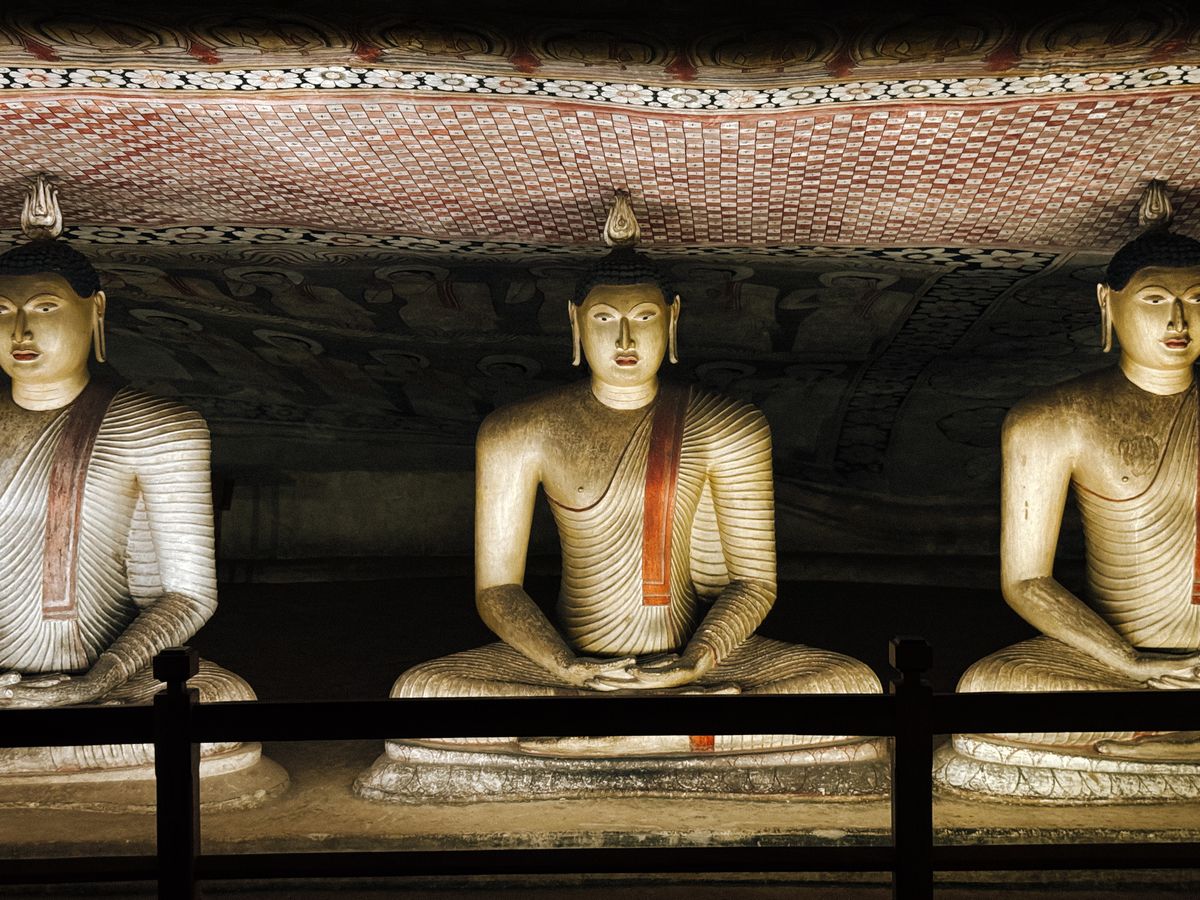


Discovering Dambulla Cave Temple Dambulla Cave Temple is a UNESCO World Heritage Site in Sri Lanka, featuring over 150 Buddha statues and ancient murals, requiring a dress code and cash payment for tickets.
In the heart of Sri Lanka, nestled within the country's Cultural Triangle, lies the magnificent Dambulla Cave Temple. This ancient site, also known as the Golden Temple of Dambulla, is a testament to the country's rich cultural and spiritual heritage. As a major pilgrimage center, the Dambulla Cave Temple attracts visitors from around the world, who come to marvel at its stunning architecture, intricate murals, and beautiful Buddha statues. With a history dating back to the 1st century BC, this temple complex is a must-visit destination for anyone interested in exploring the depths of Sri Lankan culture and spirituality.
History And Significance Of Dambulla Cave Temple
The Dambulla Cave Temple has a long and fascinating history that spans over two millennia. According to legend, the site was first used as a refuge by King Valagamba during his 14-year exile from the kingdom of Anuradhapura. The king, who later regained his throne, had the cave temple built as a gesture of gratitude to the monks who had provided him with shelter. Over the centuries, the temple complex has undergone numerous renovations and expansions, with various kings and dynasties contributing to its growth and development. Today, the Dambulla Cave Temple is one of the best-preserved cave temple complexes in Sri Lanka, with five main caves that house an impressive collection of Buddha statues, murals, and other artifacts.
Architecture And Layout Of Dambulla Cave Temple
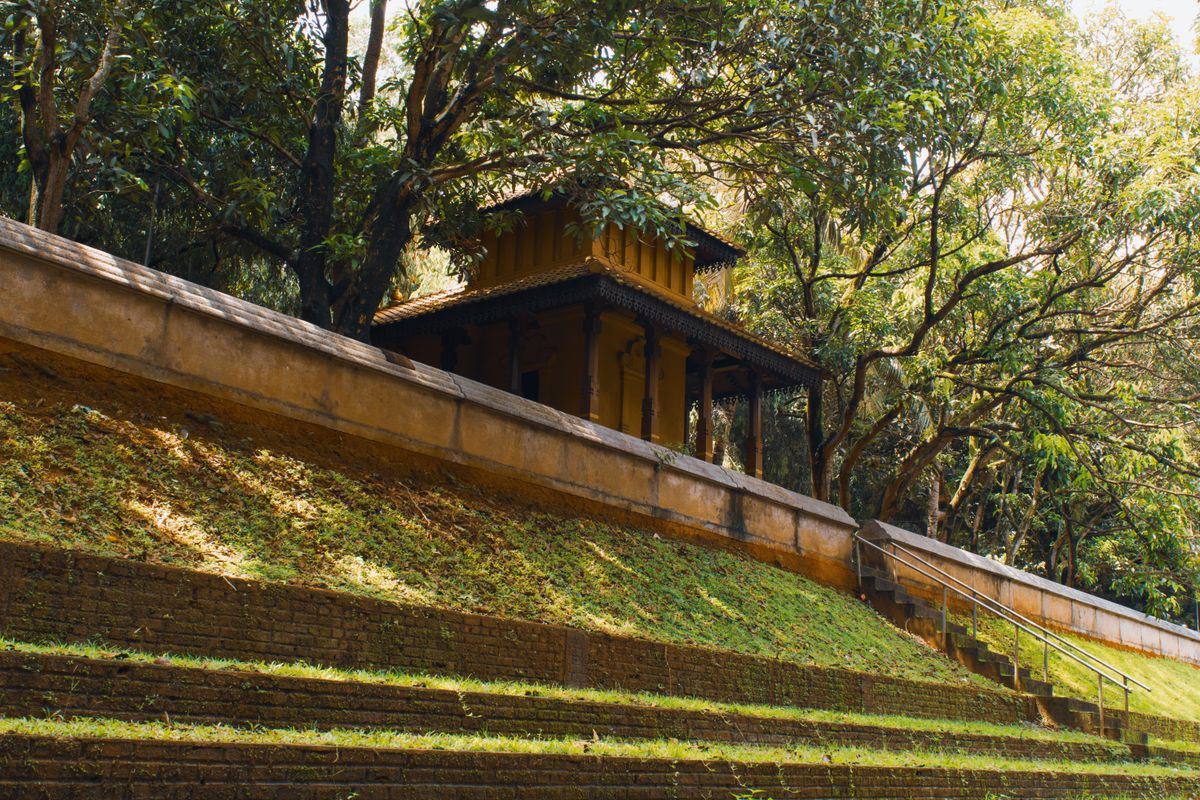
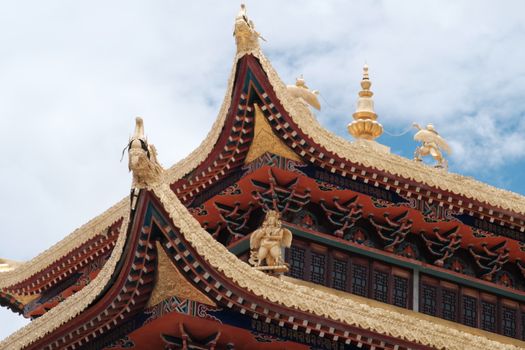
The Dambulla Cave Temple is carved into a massive rock formation that rises over 160 meters above the surrounding plains. The complex consists of five main caves, each with its own unique character and features. The caves are connected by a series of corridors and stairways, which provide visitors with a breathtaking view of the surrounding landscape. The temple's architecture is a blend of ancient and modern styles, with intricate carvings, frescoes, and murals adorning the walls and ceilings. The most striking feature of the temple is the massive golden Buddha statue that dominates the entrance, setting the tone for a truly awe-inspiring experience.
Exploring The Caves Of Dambulla Cave Temple
Each of the five caves within the Dambulla Cave Temple complex has its own unique charm and attractions. The first cave, known as the Cave of the Divine King, houses a magnificent 14-meter long reclining Buddha statue, as well as a collection of ancient murals and frescoes. The second cave, known as the Cave of the Great Kings, features a stunning array of Buddha statues, including a massive golden statue that dominates the center of the cave. The third cave, known as the New Temple, is a more modern addition to the complex, with a beautiful collection of murals and statues that depict the life and teachings of the Buddha. The fourth and fifth caves, known as the Western Cave and the Eastern Cave, respectively, are smaller but no less impressive, with their own unique collections of artifacts and decorations.
Conservation And Preservation Efforts
The Dambulla Cave Temple is a fragile and irreplaceable cultural treasure, and as such, it requires careful conservation and preservation efforts to ensure its longevity. The Sri Lankan government, in partnership with UNESCO and other international organizations, has implemented a range of measures to protect the site from damage and deterioration. These efforts include the restoration of damaged murals and statues, the installation of climate control systems to regulate temperature and humidity levels, and the implementation of strict rules and regulations to prevent vandalism and over-tourism. Visitors to the site can play a crucial role in supporting these conservation efforts by respecting the rules and regulations, and by making donations to support the ongoing preservation of the temple.

Cultural And Spiritual Significance Of Dambulla Cave Temple
The Dambulla Cave Temple is more than just a historical and cultural site – it is a living, breathing spiritual community that continues to play an important role in the lives of Sri Lankans. The temple is an active place of worship, with daily ceremonies and rituals taking place throughout the day. Visitors are welcome to participate in these ceremonies, or to simply sit in silence and contemplate the beauty and majesty of the temple. The Dambulla Cave Temple is also an important center of learning and education, with a range of programs and courses available for those interested in studying Buddhism and Sri Lankan culture.
Tips And Guidelines For Visiting Dambulla Cave Temple
Visiting the Dambulla Cave Temple can be a deeply rewarding and enriching experience, but it requires a certain level of respect and understanding for the site's cultural and spiritual significance. Visitors are expected to dress modestly, with shoulders and legs covered, and to remove their shoes before entering the temple. Photography is allowed, but flash and tripods are not permitted. Visitors are also expected to respect the rules and regulations of the site, and to refrain from touching or damaging the artifacts and decorations. By following these simple guidelines, visitors can help to ensure the preservation of the Dambulla Cave Temple for future generations.
Location
Frequently Asked Questions
1. What is the best time to visit the Dambulla Cave Temple? The best time to visit the Dambulla Cave Temple is during the dry season, from December to April, when the weather is cooler and drier. This is also the peak tourist season, so visitors can expect larger crowds and longer lines. 2. How do I get to the Dambulla Cave Temple? The Dambulla Cave Temple is located in central Sri Lanka, approximately 30 kilometers from the city of Sigiriya. The site can be reached by bus or taxi from major cities such as Colombo and Kandy. 3. What is the dress code for visiting the Dambulla Cave Temple? Visitors to the Dambulla Cave Temple are expected to dress modestly, with shoulders and legs covered. This is a sign of respect for the site's cultural and spiritual significance. 4. Can I take photographs inside the Dambulla Cave Temple? Yes, photography is allowed inside the Dambulla Cave Temple, but flash and tripods are not permitted. Visitors are also expected to respect the rules and regulations of the site, and to refrain from touching or damaging the artifacts and decorations. 5. How much does it cost to visit the Dambulla Cave Temple? The entrance fee for the Dambulla Cave Temple is approximately 1,500 rupees (around $10 USD) per person. This fee includes access to the five main caves and the surrounding grounds. 6. Can I visit the Dambulla Cave Temple as part of a guided tour? Yes, there are many guided tours available that include the Dambulla Cave Temple as part of the itinerary. These tours can be booked through local tour operators or online through websites such as Get Your Guide. 7. Are there any restaurants or shops near the Dambulla Cave Temple? Yes, there are several restaurants and shops near the Dambulla Cave Temple that offer a range of food and souvenirs. Visitors can also find accommodations in the nearby town of Dambulla, which offers a range of hotels and guesthouses. 8. Can I visit the Dambulla Cave Temple with a disability? Yes, the Dambulla Cave Temple is accessible for visitors with disabilities, with ramps and elevators providing access to the main caves and grounds. However, some areas of the site may be difficult to navigate, and visitors are advised to contact the site in advance to arrange for special assistance.
In conclusion, the Dambulla Cave Temple is a truly unique and awe-inspiring cultural and spiritual site that offers visitors a glimpse into the rich history and traditions of Sri Lanka. With its stunning architecture, beautiful murals, and impressive collection of Buddha statues, the Dambulla Cave Temple is a must-visit destination for anyone interested in exploring the depths of Sri Lankan culture and spirituality. By respecting the site's rules and regulations, and by supporting conservation efforts, visitors can help to ensure the preservation of the Dambulla Cave Temple for future generations. Whether you are a seasoned traveler or just starting to explore the world, the Dambulla Cave Temple is an experience that you will never forget.