Introduction
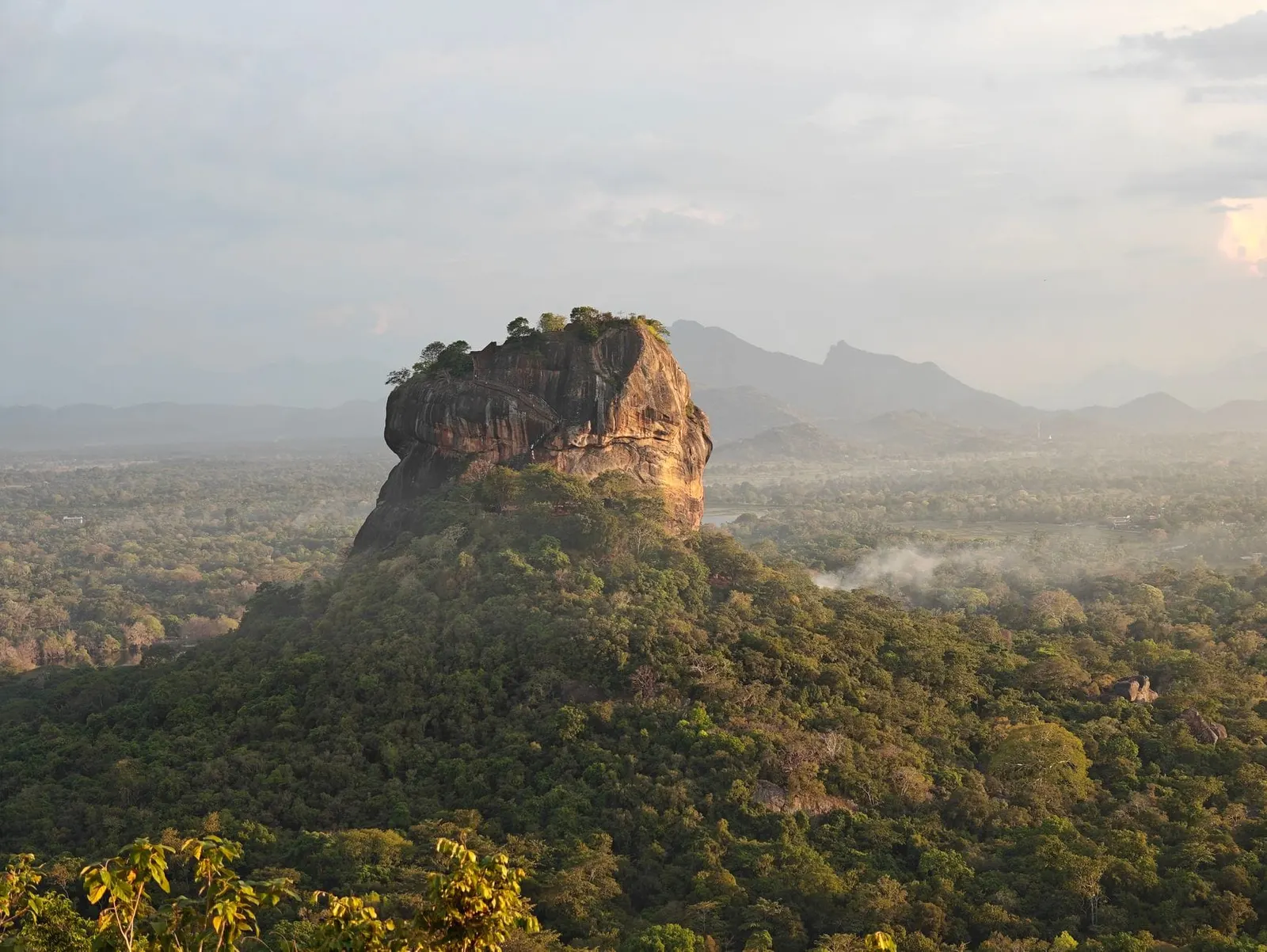
Canada’s winter chill can feel endless, but a short escape to Sri Lanka offers a tropical playground that redefines adventure. Picture yourself climbing the ancient Sigiriya Rock at sunrise, strolling through the cobbled streets of Galle Fort, or sipping tea in the mist‑kissed hills of Ella. For Canadian travellers, Sri Lanka blends familiar comforts with vibrant culture, all while staying budget‑friendly and logistically straightforward. This guide shows you how to get there, what to bring, and the must‑visit spots that will make your 14‑day itinerary unforgettable.
Getting There from Canada
Flying from Canada to Sri Lanka is a two‑leg journey. Direct flights from Toronto or Vancouver to Colombo do not exist; you’ll connect via a Gulf, European, Singaporean, or Indian hub. SriLankan Airlines offers nonstop service from London to Colombo, so many Canadians opt for a transatlantic hop. Expect total travel time of 17–20 hours, including layovers. Book early to lock in better fares and check visa‑on‑arrival policies: Canadians need a pre‑approved Electronic Travel Authorization (ETA) before arrival. The free ETA is available for 40 nationalities, including Canadians, and can be obtained at eta.gov.lk in minutes. Double‑check the latest entry requirements and health advisories before departure.
Visa and Entry Requirements
What is the ETA and how do I apply?
The ETA is an electronic pre‑approval that lets you enter Sri Lanka on a tourist visa for up to 30 days. Canadians can apply for a free ETA online, which usually takes 48 hours for approval. After you receive the approval, print the confirmation and bring it with you. The tourist ETA covers 30 days with double entry; for a longer stay, apply for an extension at the Department of Immigration in Colombo.
What documents do I need?
A passport valid for at least 90 days beyond your planned departure, a printed ETA approval, and proof of onward travel (return ticket or flight to another destination). It’s wise to carry a copy of your travel insurance and a small amount of cash in Sri Lankan rupees (LKR) for immediate expenses upon arrival.
Packing Essentials for Canadian Travellers
Plug Adapters and Power
Sri Lanka uses plug types D and G with a 230 V supply. If you bring UK plugs, you’ll fit G sockets; if you are travelling from Canada, bring a type G or D adapter. Dual‑voltage devices (phones, laptops) work fine, but watch out for single‑voltage appliances. A compact power strip with USB ports can save you from carrying too many adapters.
Climate and Clothing
The island’s climate mirrors the opposite hemisphere: winter in Canada (Dec–Feb) coincides with Sri Lanka’s summer (Dec–Mar). Pack light cotton, a wide‑brimmed hat, and a light jacket for cooler evenings in the hill country. Sunscreen, insect repellent, and a reusable water bottle (bottled water maxes out at LKR 120 per litre) are must‑haves.
Sigiriya – The Lion Rock
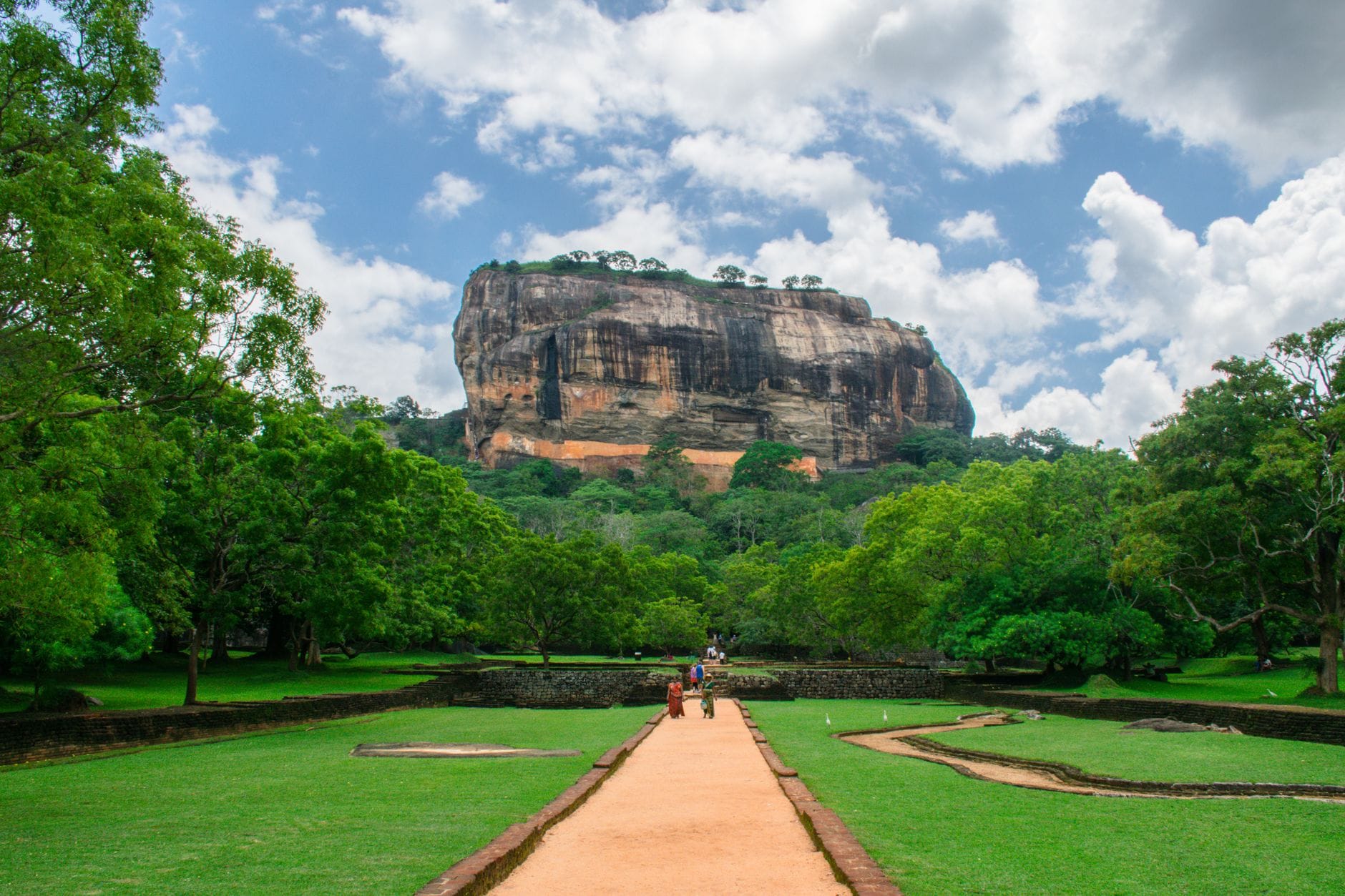
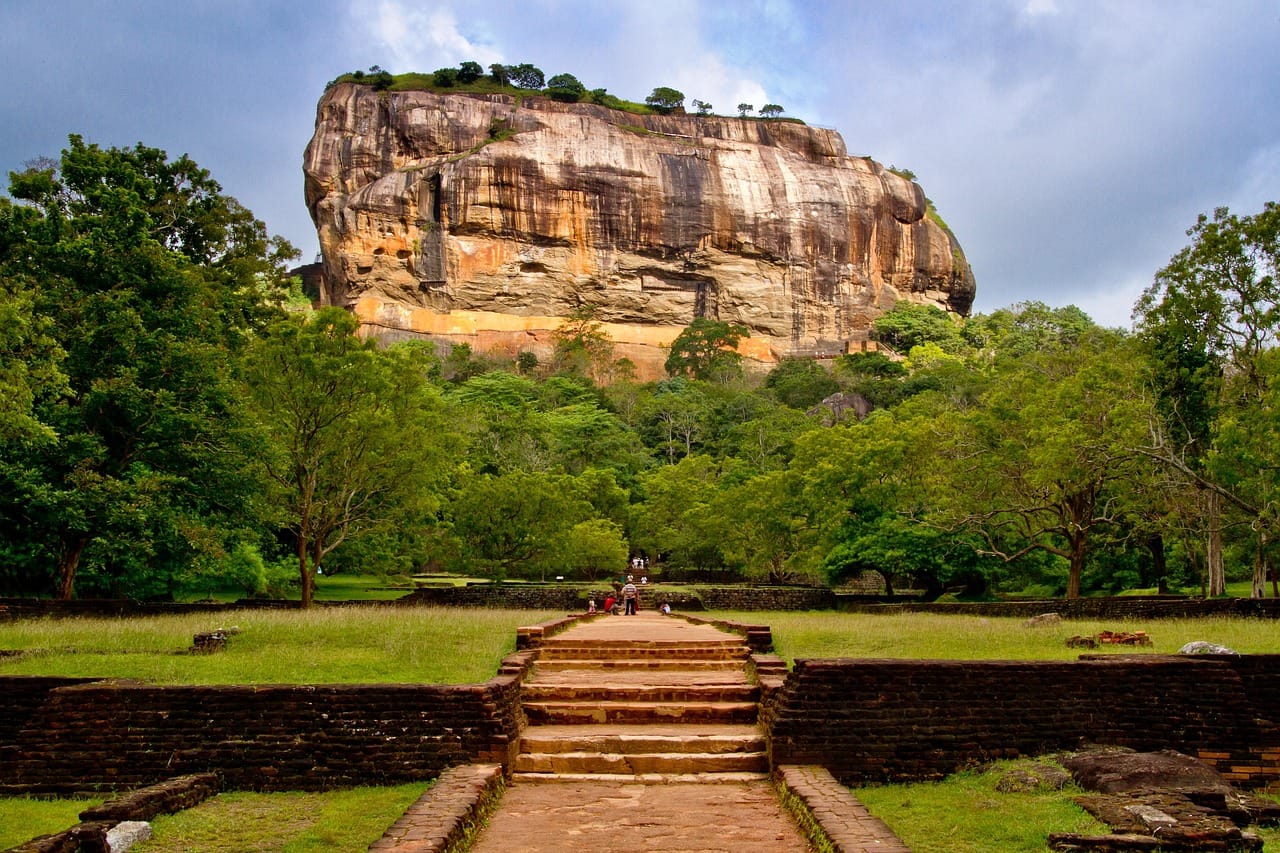
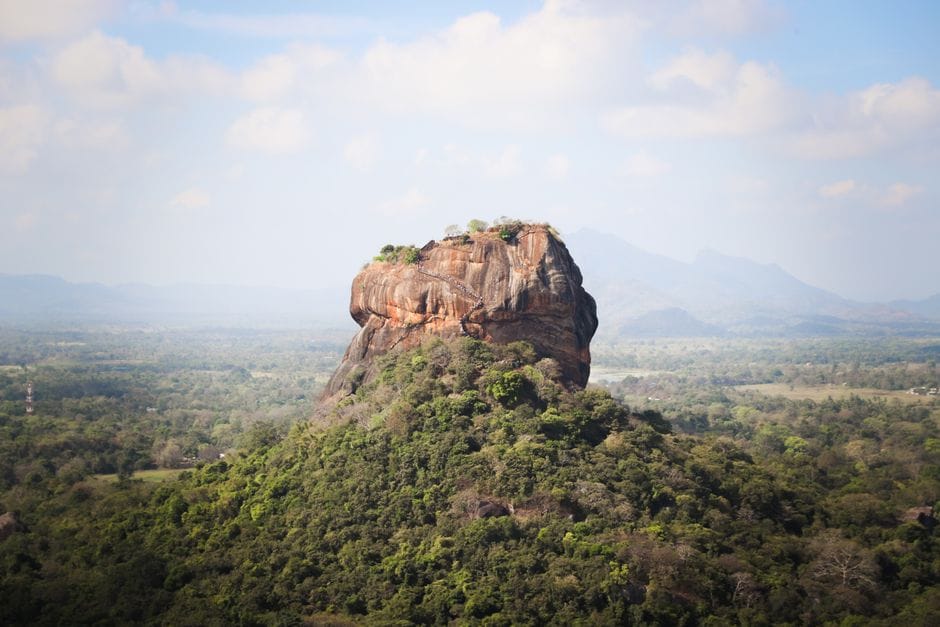
Sigiriya is Sri Lanka’s crown jewel and a UNESCO World Heritage Site. The limestone monolith rises 200 m above the plains, crowned by frescoes and a mirrored pond that once reflected the sunrise. Canadian explorers love the early‑morning climb, when the air is crisp and the crowds thin. Entry for foreign adults is about US$35, museum included; buy tickets online at e-services.ccf.gov.lk to skip the queue. The climb takes roughly 45 minutes; a guided tour adds context about the 5th‑century emperor’s palace. After the climb, reward yourself with a cool drink at the nearby tea shop – the local tea is a revelation.
Galle Fort – Colonial Charm on the Coast
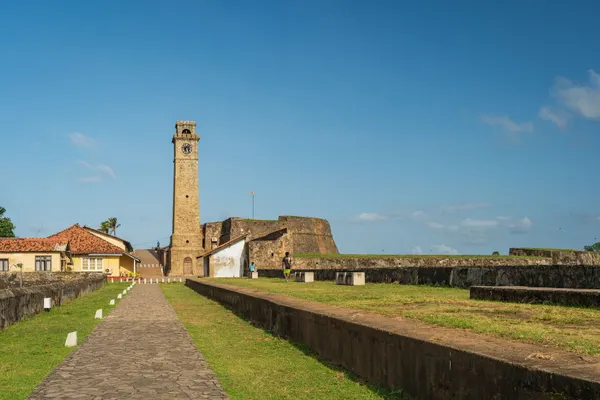
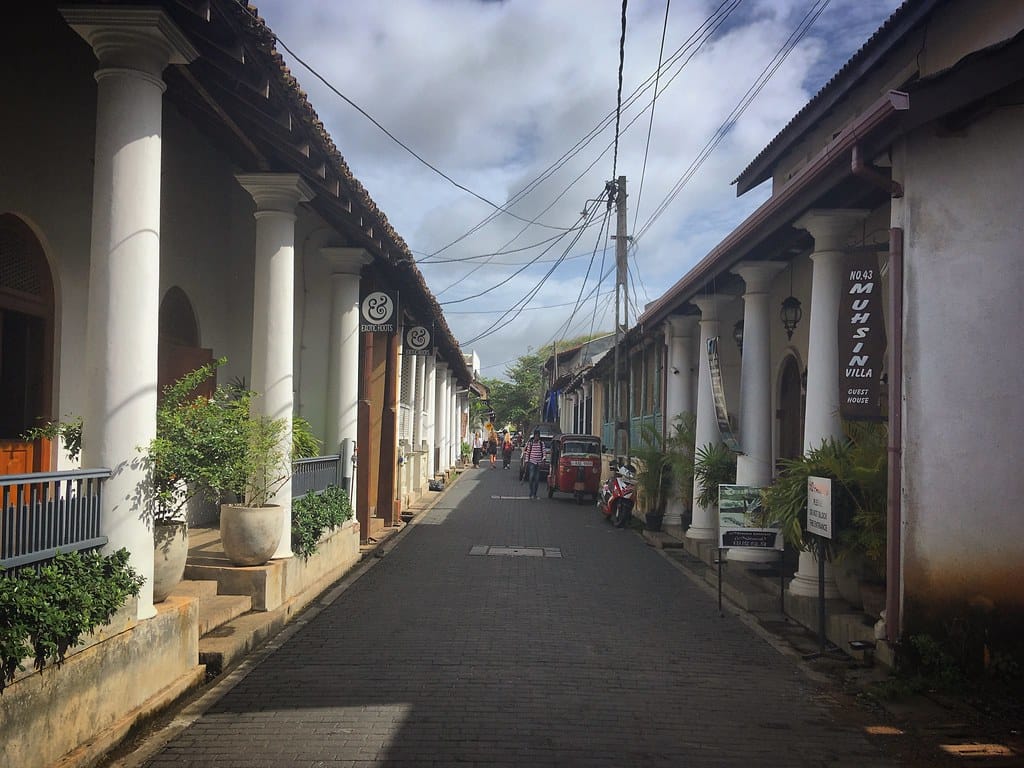
Galle Fort sits on a narrow peninsula, a relic of Dutch and British rule. The fortified walls, narrow lanes, and historic churches create a European‑Asian mosaic. For Canadians, the best time to wander is late afternoon, when the sun gilds the cobblestones. Entry to the fort is free, but visiting the Galle Lighthouse or the National Maritime Museum costs a modest fee (~US$2). The fort’s cafés serve fresh coconut water and local seafood – perfect for a sunset picnic. Don’t miss the “Galle Face Green” promenade, where locals relax and you can spot street performers.
Ella – Hill Country Serenity
Ella offers a break from the tropical heat. The town sits at 1,200 m above sea level, surrounded by tea plantations and mist. Highlights include the Nine‑Arch Bridge, a railway viaduct that looks like a stone bridge in a fairy tale, and the World’s End lookout, a cliff edge that seems to plunge into a void. The hike to World’s End takes about 1–1.5 hours; it’s steep but the panoramic view of the surrounding valleys is worth every step. Afterward, sip a locally brewed tea at a tea garden café and enjoy the cool breeze – a stark contrast to Canada’s winter.
Trincomalee – Beach and History
Trincomalee on the east coast boasts crystal‑clear waters and the historic Fort Frederick. The fort offers sweeping views of the bay and the famous Koneswaram Temple, a Hindu shrine on a rocky headland. The beach at Nilaveli, just north of Trincomalee, is a pristine stretch of white sand – perfect for snorkeling. For Canadian travellers, the best time to visit is between December and March, when the southwest monsoon keeps the waters calm. A day trip to Fort Frederick and a swim at Nilaveli can fill an afternoon without feeling rushed.
Dambulla – Cave Temple Treasures
Dambulla’s Rangiri Cave Temple, another UNESCO site, houses 150‑plus Buddha statues and intricate murals. The cave complex spans five levels, each offering a different spiritual ambiance. A guided tour (~US$5) explains the significance of the murals and the statues’ placement. The climb to the top of the hill takes about 20 minutes, but the view of the surrounding jungle is unforgettable. The site is ideal for a mini‑pilgrimage and a cultural deep dive – a perfect complement to the more natural attractions.
Jaffna – Northern Culture
Jaffna, in the north, is a cultural mosaic of Hindu temples, colonial architecture, and vibrant markets. The Nallur Kandaswamy Kovil, a grand Hindu temple, is a focal point for visitors. The Jaffna Fort, built by the Dutch, offers a glimpse into the region’s colonial past. For Canadian travellers, the best time to visit is between April and September, when the northeast monsoon has passed and the weather is drier. Explore the local market for fresh seafood and traditional Tamil sweets – a culinary adventure worth the effort.
Anuradhapura – Ancient Civilization
Anuradhapura, a UNESCO World Heritage Site, was the ancient capital of Sri Lanka. The ruins of stupas, monasteries, and palaces tell the story of a sophisticated civilization. The city’s dry‑season temples, like the Sri Maha Bodhi tree, are still revered today. Visiting Anuradhapura is a cultural immersion that complements the natural beauty of other sites. Plan a day trip from Colombo or Kandy, and let the ancient stone walls transport you back in time.
FAQ
1. How long does the ETA approval take for Canadians?
Answer: Most Canadian applicants receive ETA approval within 48 hours. It’s best to apply at least a week before departure to avoid last‑minute delays. Keep the printed confirmation handy for immigration checks.
2. Do I need a visa on arrival in Sri Lanka?
Answer: No. Canadians receive a free Electronic Travel Authorization (ETA) before arrival. This replaces the older visa‑on‑arrival system and streamlines entry.
3. What is the best time of year for Canadian travellers to visit Sri Lanka?
Answer: For beach destinations like Trincomalee, December to March offers calm seas. For hill country (Ella, Kandy) and cultural sites (Sigiriya, Anuradhapura), April to September provides drier weather. Align your trip with your preferred activities.
4. Can I use my Canadian phone in Sri Lanka?
Answer: Sri Lanka uses 230 V, so bring a type G adapter. Dual‑voltage phones work fine, but you’ll need a local SIM or an eSIM for data. SriLankan mobile operators offer international plans; check rates before you travel.
5. Are there any safety concerns for Canadian tourists?
Answer: Sri Lanka is generally safe for tourists. Use reputable transport options, avoid unlit areas at night, and keep valuables secured. The Emergency numbers are Police 119, Ambulance 1990, Fire 110, and Tourist Police 1912.
6. How much should I budget for food and local transport?
Answer: A daily budget of LKR 3,000–5,000 (US$10–17) covers meals and local transport (tuk‑tuk, bus). For private car hires, expect LKR 12,000–20,000 (US$40–70) for a 3‑4 hour trip from Colombo to Kandy.
7. Is it safe to swim at public beaches?
Answer: Yes, but public beaches lack lifeguards. Swim in designated safe areas, keep an eye on local advisories, and consider a guided snorkeling tour for peace of mind.
8. Can I bring my own tea or coffee?
Answer: Sri Lanka’s tea is famously fresh, but you can bring a small supply of your favourite tea or coffee. Be mindful of customs limits: personal use items up to a reasonable quantity are allowed.
Conclusion
For Canadian travellers seeking a blend of culture, adventure, and relaxation, Sri Lanka delivers on every promise. From the iconic Sigiriya Rock to the serene tea gardens of Ella, the island offers a tapestry of experiences that echo Canada’s own diverse landscapes. Plan your flights, secure your ETA, pack light, and immerse yourself in the vibrant heritage and warm hospitality that define Sri Lanka. Your 14‑day itinerary will be filled with sunrise climbs, colonial strolls, and beach sunsets – a journey that will keep you dreaming long after you return to the snow‑blanketed streets of Canada.