
Sri Lanka, the pearl of the Indian Ocean, offers a mosaic of cultures, ancient temples, lush tea plantations, and pristine beaches. For American travelers, the island feels both exotic and surprisingly accessible. From the moment you land in Colombo’s Bandaranaike International Airport, you’ll notice the blend of colonial architecture, bustling markets, and the gentle rhythm of island life. This guide breaks down everything you need to know—visa procedures, flight connections, local customs, money matters, and a curated itinerary that showcases the best of Sri Lanka without the overwhelm. Whether you’re a first‑time visitor or a seasoned explorer, we’ll help you navigate the practicalities and the adventure.
Getting There From the U.S.: Flights, Connections, and Time Zones
Flying from the U.S. to Sri Lanka is a multi‑leg journey because there are no direct flights. Most travelers depart from major hubs such as New York, Washington, or Los Angeles, and then connect in cities like London, Frankfurt, Singapore, or Dubai. SriLankan Airlines flies nonstop from London Heathrow to Colombo, typically landing around 9 pm local time (UTC+5:30). If you prefer a shorter overall travel time, consider a flight to Colombo via Singapore or Dubai; these routes often involve a 10‑hour layover but can be cheaper. Always check current schedules and prices on the airline’s website, as routes change seasonally.
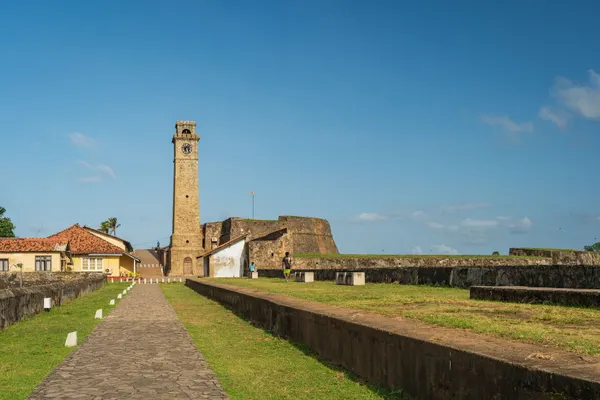
Once you arrive, the 5½‑hour time difference means you’ll need a little adjustment. Sri Lanka operates on UTC+5:30, so when it’s noon in Washington, it’s 5:30 pm in Colombo. Plan your first day for light activities to accommodate jet lag—perhaps a stroll along Galle Fort or a gentle tea‑plantation tour.
Visa and Entry Requirements: The Easy 30‑Day ETA
American citizens can obtain a free 30‑day tourist Electronic Travel Authorization (ETA) online at eta.gov.lk. The application is straightforward: provide passport details, travel dates, and a passport‑sized photo. Since May 25 2026, the U.S. is among the 40 countries eligible for a free ETA. The approval usually takes a few minutes, but it’s wise to apply at least 48 hours before departure to avoid any last‑minute hiccups.
The ETA allows double entry and is valid for 30 days from the date of issue. If you need to stay longer, you can apply for an extension at the Department of Immigration in Colombo before your ETA expires. Keep the ETA confirmation on your phone and a printed copy in your luggage.
Money Matters: Cash, Cards, and the Best Way to Pay
Cash reigns supreme in Sri Lanka. While ATMs are plentiful in Colombo, they’re scarcer in rural areas, so bring enough USD, Euros, or Sterling to cover the first few days. Most restaurants, hotels, and small shops accept cash; credit cards are accepted mainly in larger hotels and international restaurants.
When haggling in markets—whether at the Kandy Elephant Grounds or the Galle fish market—approach with respect and a friendly smile. Offer a fair price and be ready to walk away if the seller insists on a higher price. Remember, the local currency is the Sri Lankan Rupee (LKR); an approximate conversion is LKR 300 per US$1, but always check the latest rate at a reputable exchange counter.
For daily expenses, a reusable water bottle with a Lifestraw filter is essential—tap water is not safe to drink. Buy bottled water from reputable brands; a 1‑liter bottle typically costs LKR 120 (~US$0.40).
Dress for Success: Temple Etiquette and Weather‑Friendly Clothing
Sri Lanka’s climate varies by region and season. The south and west enjoy dry weather from December to March, ideal for beach visits. The north and east are best explored from April to September when monsoon winds bring lush greenery and fewer crowds.
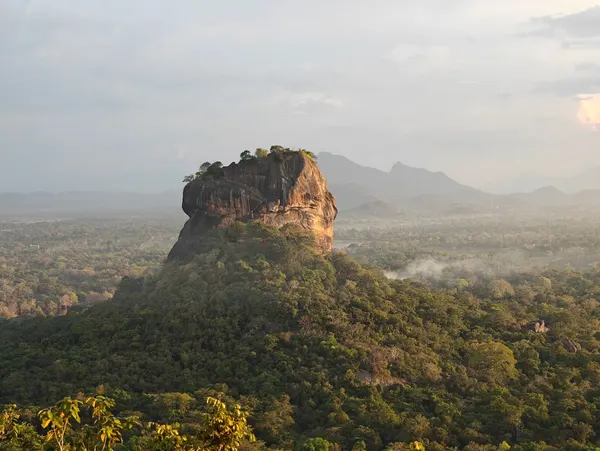
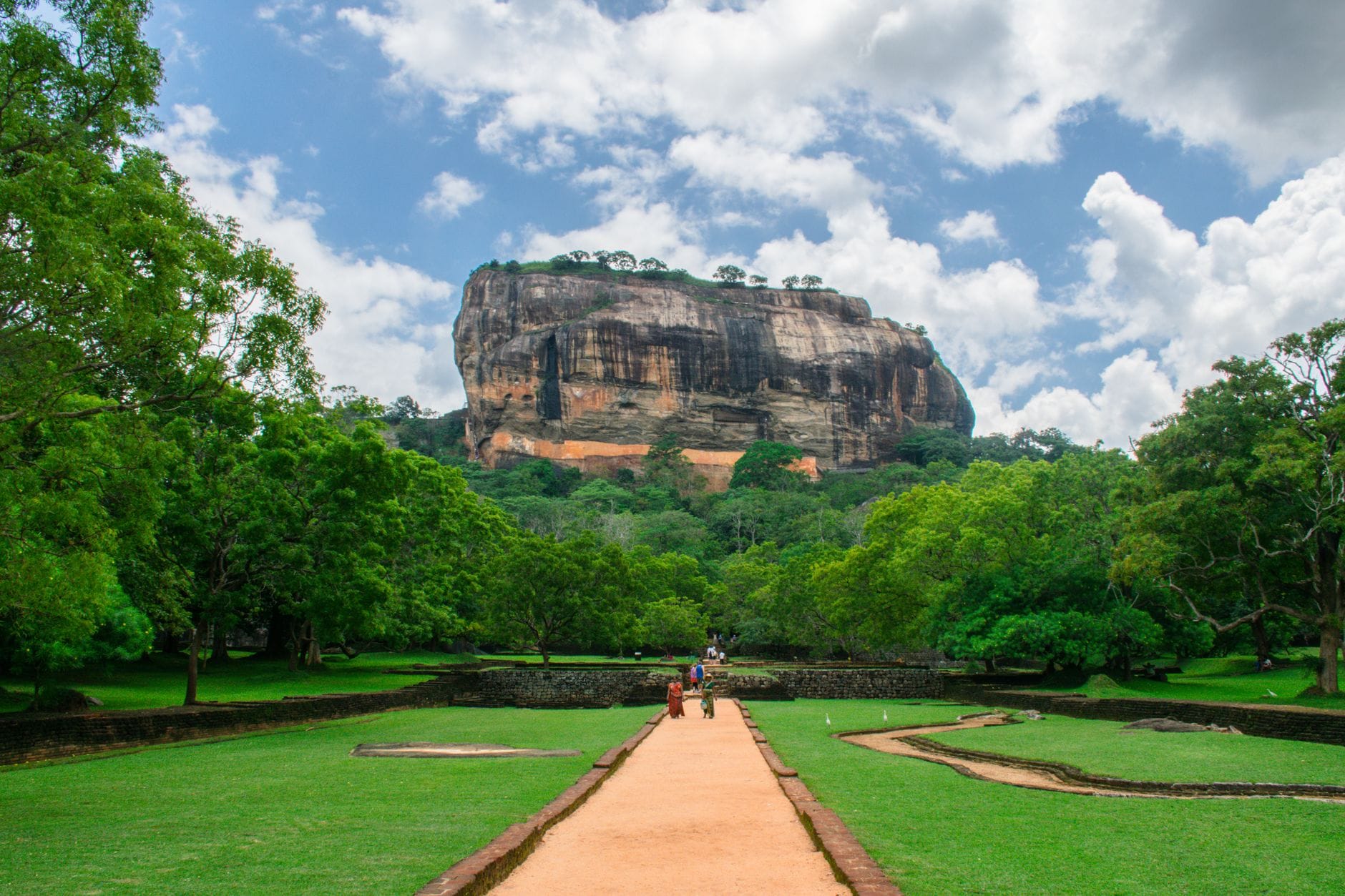
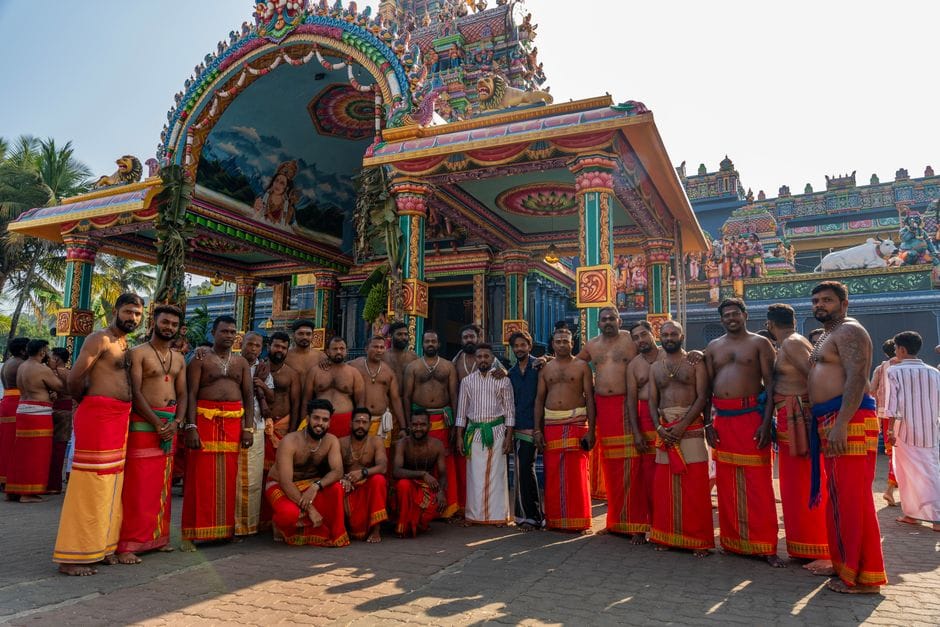
When visiting temples—like the Temple of the Sacred Tooth in Kandy or the ancient rock temple at Sigiriya—dress modestly. Wear clothes that cover shoulders and knees, and bring flip‑flops or sandals to remove your shoes before entering. Some temples require you to remove socks, so keep a pair of clean socks handy.
Light, breathable fabrics are a must in the tropical heat. Pack a wide‑brim hat, sunglasses, and sunscreen (SPF 30+). If you plan to trek in the highlands (e.g., Adam’s Peak), bring a light jacket for cooler evenings.
Must‑See Destinations: A Sample Itinerary for the Curious American
Colombo: The Gateway
Spend 1–2 days exploring Colombo’s mix of colonial heritage and modern buzz. Visit the National Museum, stroll along Galle Face Green, and enjoy fresh seafood at the Old Dutch Hospital.
Kandy: Cultural Heartbeat
Take a train or private car to Kandy (≈3 hours from Colombo). Explore the Temple of the Sacred Tooth, walk around the Kandy Lake, and witness a traditional Kandyan dance performance.
Sigiriya: Sunrise Glory
Arrive early—before 6:30 am—to beat the crowds at Sigiriya Rock Fortress. The climb takes about an hour; the panoramic view at sunrise is unforgettable.
Ella: Scenic Train Ride
Board the iconic train from Kandy to Ella. The journey offers dramatic mountain scenery, tea plantations, and the famous Nine Arches Bridge. Stay overnight in a guesthouse or a boutique hotel.
Yala National Park: Wildlife Wonders
Book a guided safari in Yala (≈4 hours from Ella). The park is famed for leopards, elephants, and diverse birdlife. Entry fees for foreign adults are about US$25 plus tax; tickets can be purchased online or at the park office.
Trincomalee & Jaffna: Northern Gems
If you’re comfortable exploring the north, head to Trincomalee for its stunning beaches and historic fort. Jaffna offers a distinct Tamil culture, with vibrant markets and the historic Nallur Kandaswamy Kovil temple.
Galle: Coastal Charm
A day trip to Galle’s UNESCO‑listed Fort is ideal. Wander the cobblestone streets, shop for local handicrafts, and enjoy a sunset view over the Indian Ocean.
Practical Tips for a Smooth Trip
- Local SIM Card: Purchase at Colombo airport; local providers offer affordable data plans.
- Transport: Use app‑based rides like Uber in Colombo, and consider local buses for budget travel.
- Safety: Sri Lanka is generally safe for tourists. Keep valuables secure, and stay alert in crowded markets.
- Health: Bring any prescription medication in its original packaging. A basic travel health kit is advisable.
Frequently Asked Questions
1. How long does it take to get an ETA for U.S. citizens?
The ETA application is usually processed within minutes. We recommend applying 48 hours before departure to ensure you have the confirmation in case of unexpected delays.
2. Can I use my U.S. credit card in Sri Lanka?
Many larger hotels and international restaurants accept credit cards, but smaller shops and markets prefer cash. It’s best to carry both options.
3. What should I do if I need to find an emergency service?
Dial 119 for police, 110 for fire and rescue, 1990 for ambulance, or 1912 for Tourist Police.
4. Is it safe to swim in the Indian Ocean?
Only swim where local lifeguards or signage indicate it is safe. Avoid swimming in areas with strong currents or where marine life is present.
5. How do I handle the monsoon seasons?
Plan your itinerary based on the region: south and west from December–March, north and east from April–September. Weather can be unpredictable, so pack a light raincoat.
6. What is the best way to experience local cuisine?
Seek out small eateries called “taverns” or “hawker stalls.” Ask for the “local special” to avoid overpriced Western chains.
7. Can I haggle in Sri Lanka?
Yes, but do so respectfully. Offer a reasonable price, and be prepared to walk away if the seller is firm.
8. Are there any travel advisories for Americans?
The U.S. Department of State advises travelers to remain vigilant but notes that Sri Lanka is generally safe for tourists. Check the latest travel advisories before departure.
Conclusion
Sri Lanka offers an unforgettable blend of history, nature, and hospitality that resonates with American travelers. By securing a free ETA, planning your flights, understanding local customs, and packing smart, you’ll enjoy a smooth, enriching journey. From the bustling streets of Colombo to the tranquil tea gardens of Ella, and from the ancient stone of Sigiriya to the wild heart of Yala, every corner of the island invites exploration. Pack your curiosity, your sense of adventure, and a reusable water bottle—your Sri Lankan adventure awaits.