
Introduction
The island of Sri Lanka, a pearl on the Indian Ocean, offers a mosaic of experiences that speak directly to the sensibilities of British holidaymakers. Its temperate mountain mist, colonial architecture, and pristine beaches mirror, yet surpass, the familiar charms of the UK. For the British traveler, the journey begins long before the first sunrise in Colombo: with a flight that threads through the Gulf, a visa‑free entry via the electronic Travel Authorisation (ETA), and the practicalities of plug types and time zones. Once on the island, a well‑planned itinerary can weave together the cultural depth of the Cultural Triangle, the verdant tea lanes of the Hill Country, the vibrant spice markets of Jaffna, and the turquoise waters of the south. This guide offers a step‑by‑step blueprint for the perfect British holiday in Sri Lanka, balancing history, nature, and relaxation while keeping your budget, safety, and local engagement in mind.
Colombo – The Gateway and the First Impression
Colombo is the first point of contact for most British visitors, a bustling metropolis that blends colonial heritage with modernity. Arriving on SriLankan Airlines’ nonstop flight from London Heathrow or a connection via the Gulf, you will find the city’s international airport equipped with standard UK‑style facilities. The city’s 5‑hour time difference (UTC+5:30) means you will experience a half‑day shift—perfect for a gentle jet‑lag adjustment. After clearing customs, a short tuk‑tuk or taxi ride (LKR 2,000–3,000) will bring you to a comfortable accommodation in the Cinnamon Gardens or Galle Face area. Here, you can enjoy a leisurely breakfast of “kottu roti” and a cup of Ceylon tea while watching the sunrise over the Indian Ocean. Colombo’s rich tapestry of museums, colonial architecture, and bustling markets sets the tone for a holiday that blends the familiar with the exotic.
Galle – Colonial Charm on the Coast
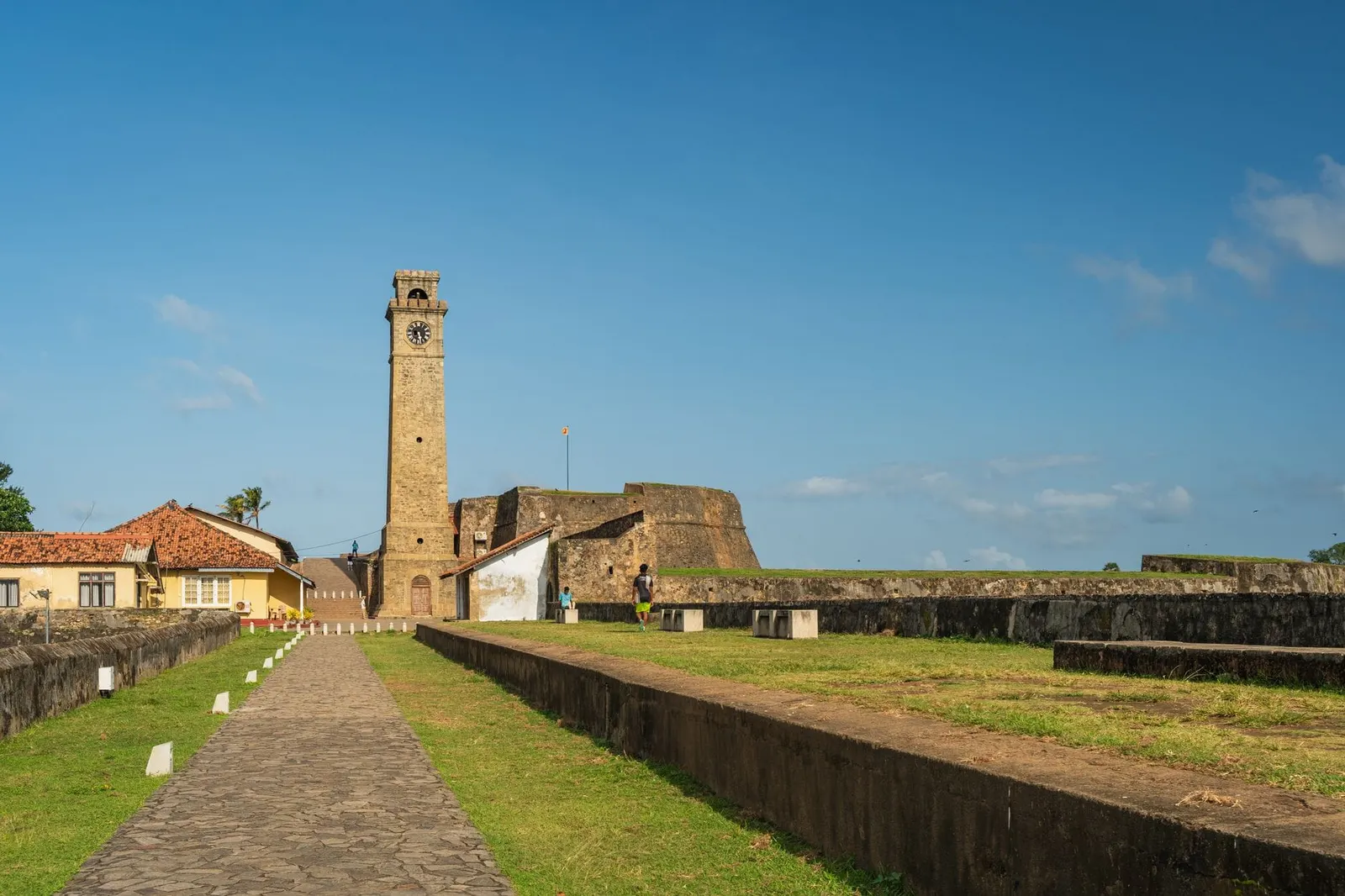
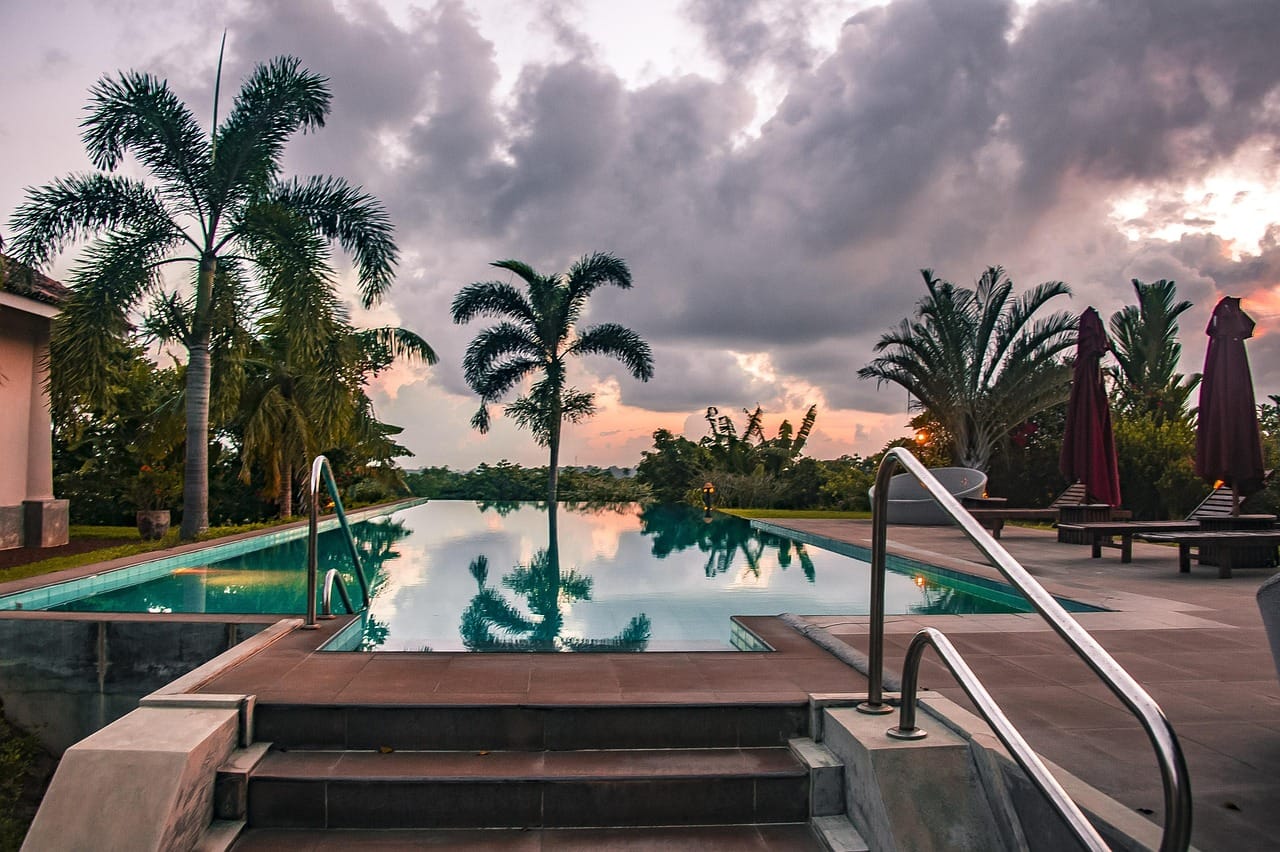
Galle, a UNESCO World Heritage Site, is a living testament to centuries of European influence. The city’s fort, a Dutch colonial masterpiece, offers cobblestone streets, quaint cafés, and a panoramic view of the sea. For the British, walking through Galle feels like strolling through an extended version of a seaside town back home, yet the Dutch influence adds a distinct flavour. Spend a full day wandering the fort, visiting the Galle Lighthouse, and sampling fresh seafood at a waterfront restaurant. The local tea shops, selling Ceylon’s finest blends, provide a comforting nod to home. A night in Galle’s heritage hotels, many with colonial architecture, offers a taste of historical luxury and a chance to rest before heading south.
Mirissa – Whale‑Watching and Beach Bliss
Mirissa is Sri Lanka’s answer to a classic British seaside holiday. Located on the south‑west coast, this small fishing village boasts a crescent‑shaped beach that is ideal for swimming, sunbathing, and dolphin spotting. The most iconic activity is whale‑watching, with humpback and sperm whales frequently sighted between November and April. Booking a morning tour with a local operator ensures a responsible experience that supports the community. After a day of adventure, dine at a beachside shack serving fresh prawns and coconut curries, then enjoy a sunset walk along the shore. Mirissa’s relaxed vibe, combined with its natural beauty, makes it a perfect respite after the cultural immersion in Galle.
Kandy – The Heart of Sri Lanka’s Culture
Kandy sits at the centre of Sri Lanka’s cultural triangle and offers a rich tapestry of Buddhist heritage and colonial history. The Temple of the Sacred Tooth Relic, a UNESCO World Heritage Site, is the focal point of the city and attracts pilgrims from around the world. British visitors will appreciate the temple’s architectural elegance and the reverence it commands. After exploring the temple, stroll through the Royal Botanical Gardens, where the vast collection of orchids and spice plants will remind you of the botanical gardens back home. Kandy’s hill station atmosphere, with its cooler climate and colonial-era tea houses, provides a comfortable contrast to the coastal heat. A night stay in a heritage hotel, many of which were built during the colonial era, offers a slice of history and a chance to unwind in a tranquil setting.
Ella – Scenic Train Ride and Tea Plantations
The train journey from Kandy to Ella is often described as the most scenic in the world. The route winds through misty tea plantations, gorges, and small villages, offering breathtaking views at every turn. The train’s 5‑hour journey is a cultural experience in itself, with local passengers sharing stories and snacks. (Note: as of October 2026 there is no through train between Kandy and Ella or Nuwara Eliya while the Kandy–Nanu Oya section is repaired; travel to Nanu Oya by road and continue by train. Check Sri Lanka Railways before you go.) Upon arrival in Ella, you can visit the famous Nine Arches Bridge and hike to Little Adam’s Peak for panoramic vistas. The town’s tea estates, such as the historic Devon Tea Estate, provide a behind‑the‑scenes look at tea production, a tradition that dates back to colonial times. For the British, the cool climate, colonial architecture, and lush greenery make Ella a refreshing retreat from the busier cities.
Sigiriya – Ancient Rock Fortress
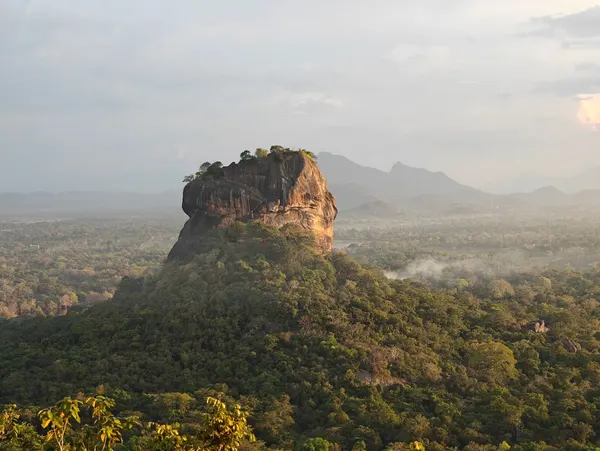
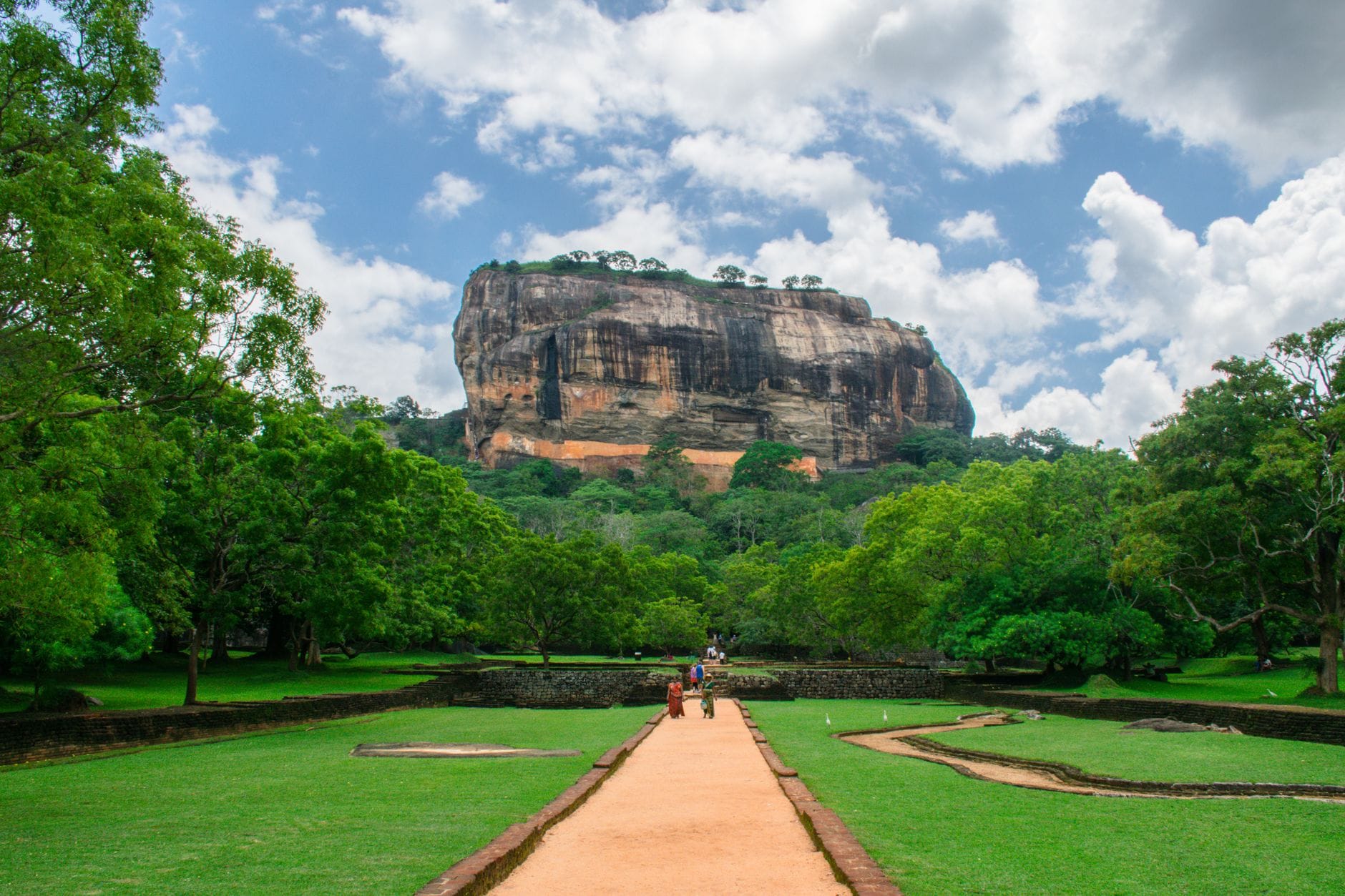
Sigiriya, a UNESCO World Heritage Site, is an iconic symbol of Sri Lanka’s ancient history. The rock fortress, with its frescoes and water gardens, offers a glimpse into the ingenuity of King Kasyapa’s reign. British visitors will appreciate the strategic location and the panoramic views from the top, which overlook the surrounding countryside. Entry is about US$35 for foreign adults, and tickets can be purchased online via e-services.ccf.gov. After a day of exploration, you can return to nearby Dambulla to see the cave temples, another UNESCO site, before heading back to the hill country for a restful night.
Yala – Wildlife Safari
Yala National Park is one of the most popular wildlife destinations in Sri Lanka, known for its high density of leopards, elephants, and diverse birdlife. For the British traveler, a guided safari offers an immersive experience in the island’s natural heritage. The park’s entrance fee for foreign adults is about US$25 plus tax, and tours are available in the mornings and afternoons. A typical safari involves a jeep ride through the forest, where experienced guides point out wildlife and explain the ecological significance of the park. After the safari, you can unwind in a nearby eco-lodge, where the traditional Sri Lankan hospitality meets modern comfort.
Jaffna – Northern Cultural Immersion
Jaffna, located in the north, offers a distinct cultural experience with its Tamil heritage, Hindu temples, and colonial architecture. The city’s Vanni Arasan Kovil (Temple of the Lion King) and the Jaffna Fort, built by the Dutch, provide insight into the region’s history. British travellers will enjoy the vibrant street markets, where local artisans sell handmade textiles and spices. A visit to the Kandaswamy Kovil, a Hindu temple, allows you to witness the blend of religious traditions. The city’s cooler climate and quieter streets make it a peaceful stop after the busier south and central regions.
Hikkaduwa – Surfing and Coral Reefs
Hikkaduwa is a popular beach destination on the south‑west coast, known for its vibrant coral reefs and surf culture. The beach is lined with colourful shacks, and the water is ideal for snorkeling and surfing. British visitors who enjoy water sports will find Hikkaduwa a perfect spot to practice their skills or simply relax on the sand. The town’s nightlife, with beach bars and live music, offers a lively end to the day. The coral reefs, protected by local conservation efforts, provide a stunning underwater world that is accessible to snorkelers of all levels.
Practical Tips for British Travellers
- Flights: SriLankan Airlines flies nonstop from London Heathrow to Colombo; from other UK airports you connect via the Gulf or Europe. Check current schedules before booking. Check SriLankan Airlines for London‑Colombo routes.
- ETA: Apply online at eta.gov.lk before you travel. For UK, US, Canada, Australia, China, India, and Pakistan passports, the ETA is free. Other nationalities may pay about US$50.
- Plug Types: Sri Lanka uses plug types D and G at 230 V. UK travellers can use their standard UK plugs (type G) without adapters; US or Canadian travellers will need an adapter.
- Time Zone: Sri Lanka is UTC+5:30, so you’ll gain 5½ hours over the UK. Plan your first day for a gentle adjustment.
- Weather: The island’s climate varies by region. The south is hot and humid year‑round; the hill country is cooler, especially from October to March. The north is dry from December to March.
- Safety: Sri Lanka is considered safe for tourists. Police 119, ambulance 1990, and fire 110 are available. The Tourist Police 1912 can assist with local inquiries.
- Currency: The Sri Lankan Rupee (LKR) is the local currency. Exchange rates hover around LKR 300 per US$1. ATMs and exchange offices are widespread in major cities.
Frequently Asked Questions
1. How long does the ETA process take for a British passport?
The ETA is usually processed within minutes to a few hours after submission. However, it’s wise to apply at least 24 hours before departure to avoid any unforeseen delays.
2. Are there any travel restrictions for British visitors in Sri Lanka?
No travel restrictions currently apply to British citizens. However, it is advisable to stay updated with the UK Foreign Office travel advice and any local advisories.
3. What is the best time of year for a beach holiday in Sri Lanka?
The best beach season is from December to March, when the southwest monsoon brings clear skies and calm seas. For northern beaches, April to August offers ideal conditions.
4. Can I drive in Sri Lanka as a British tourist?
Yes, but you must obtain an International Driving Permit (IDP) before arrival. Local traffic rules are similar to UK standards, but the road network can be challenging in rural areas.
5. Is English widely spoken in Sri Lanka?
English is widely spoken, especially in tourist areas, hotels, and business settings. In rural villages, Sinhala or Tamil may be predominant, but most locals can communicate in English.
6. What health precautions should I take before traveling to Sri Lanka?
Vaccinations for Hepatitis A and Typhoid are recommended. Carry a basic first‑aid kit, use bottled water (LKR 120 per litre), and apply sunscreen regularly. Consult your GP for any personal health concerns.
7. How can I support local communities responsibly?
Choose certified eco‑tours, respect local customs, tip fairly, and purchase souvenirs directly from artisans. Avoid activities that exploit wildlife or deplete natural resources.
8. What are the most common scams to watch out for?
Beware of unofficial taxi drivers offering inflated fares, unregistered tour operators, and counterfeit money. Stick to licensed services and verify prices beforehand.
Conclusion
A perfect British holiday in Sri Lanka is a harmonious blend of cultural immersion, natural beauty, and leisurely relaxation. From the colonial streets of Galle and the serene tea estates of Ella, to the thrilling whale‑watching in Mirissa and the ancient grandeur of Sigiriya, every destination offers a unique experience that resonates with British sensibilities. By planning flights, securing an ETA, and preparing for the local environment, you can enjoy a safe, enriching, and memorable journey. Sri Lanka’s warm hospitality, breathtaking landscapes, and vibrant heritage await—ready to transform your next holiday into an unforgettable adventure.