
Introduction
Travelers often overlook money as a simple detail, yet it shapes every moment of a journey. In Sri Lanka, the Sri Lankan rupee (LKR) dances with history, from ancient trade routes to modern digital wallets. As of 2026, one US dollar fetches roughly 294 rupees, a rate that can stretch a backpacker’s budget or add sparkle to a luxury stay. Whether you’re stepping off the plane in Colombo, trekking the hills of Kandy, or watching sunrise over Sigiriya, understanding how to obtain, spend, and safeguard your cash will keep your adventure smooth. This guide unpacks the currency landscape, offers proven strategies for getting the best value, and equips you with practical advice for every pocket—big or small.
Understanding The Sri Lankan Rupee (LKR)
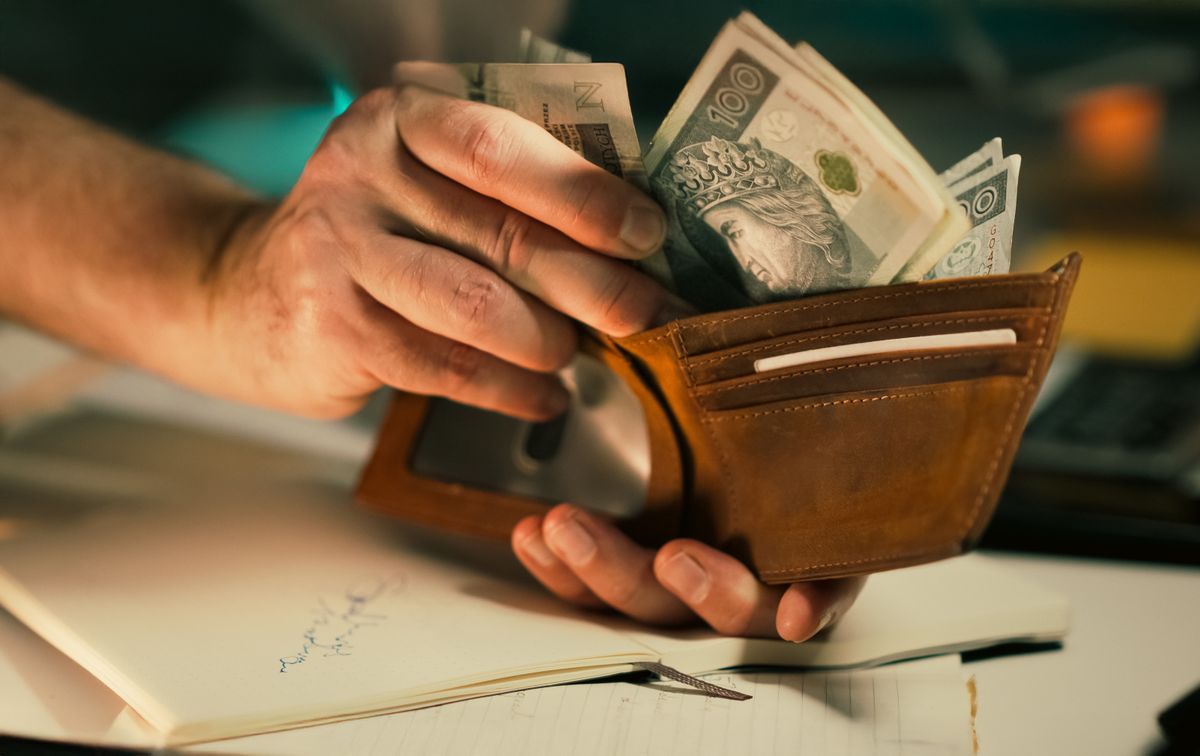
The Sri Lankan rupee, symbolised by රු, is the nation’s official medium of exchange. Coins circulate in denominations of 10, 20, 50, 100 and 500 rupees, while banknotes range from 1,000 to 20,000 rupees. In everyday life, locals favour notes over coins; a 500‑rupee note buys a meal, a 2,000‑rupee note covers a modest hotel night, and a 5,000‑rupee note is often avoided because vendors struggle to make change. The rupee’s value has steadied after a volatile period in the early 2020s, and the Central Bank now targets modest inflation to protect purchasing power. Knowing the visual cues—green‑blue 2,000 notes with a lion, crimson 5,000 notes featuring a stilt‑rooted palm—helps you spot genuine cash and avoid counterfeit.
How To Exchange Money Safely
Message: Secure exchange protects your travel budget. Evidence: In Colombo, banks such as Bank of Ceylon and commercial exchange bureaus offer rates within 0.5 % of the market. Airport kiosks tend to charge a higher spread, often 3–5 % above the mid‑market rate. Call‑to‑action: Skip the airport desk; head to a reputable bank in the city centre for a better deal.
When you arrive, withdraw a modest amount—around 40,000 LKR—to cover immediate expenses. Use ATMs inside banks rather than street machines; they usually charge a flat 800–1,000 LKR fee, whereas independent ATMs may add hidden commissions. If you prefer pre‑loaded travel cards, Wise and Revolut now support LKR balances, letting you lock in today’s rate and avoid surprise fees. Remember to inform your home bank of your travel dates to prevent card blocks, and always keep a small stash of US dollars (20–50 USD) as a backup for emergencies or places that only accept foreign currency.
Cash Versus Card: When To Use Which
Message: Balance cash and cards for flexibility. Evidence: In Colombo’s upscale malls and hotel chains, credit cards (Visa, Mastercard, Amex) are widely accepted, often without surcharge. However, in rural towns like Anuradhapura or market stalls in Galle, cash reigns supreme and some vendors refuse cards outright. A 2 % surcharge on card transactions is common in tourist‑heavy restaurants, while small cafés may add a flat 50‑rupee fee. Call‑to‑action: Carry enough small‑denomination cash for daily purchases, and reserve your card for larger bills or trusted establishments.
Practical tip: Keep a separate envelope for emergency cash and another for daily spending. When paying by card, request a receipt to confirm the exact amount, then compare it to the amount displayed on the terminal. If a merchant insists on a minimum spend, politely decline and seek an alternative. This habit prevents hidden surcharges and protects you from potential fraud.
Budgeting By Destination: Colombo, Kandy, Galle, Sigiriya, Anuradhapura, Yala
Message: Different regions demand different spending plans. Evidence: Colombo’s average daily cost for a mid‑range traveler sits at 12,000–15,000 LKR (≈ $40‑$50), driven by dining, transport, and occasional entry fees. Kandy, nestled in the hills, averages 9,000–11,000 LKR per day, while coastal Galle drops to 8,000–10,000 LKR thanks to affordable guesthouses and beachside eateries. Sigiriya’s entrance fee alone is 3,500 LKR for foreign adults, plus optional guided tours. Anuradhapura’s temple complexes charge 1,500 LKR per site, and Yala National Park safari packages start at 20,000 LKR, covering transport, guide, and park fees. Call‑to‑action: Tailor your daily cash withdrawal to the region you’ll explore, and set a spending ceiling to avoid surprise deficits.
For backpackers, a daily budget of 4,000–5,000 LKR suffices if you stick to street food, dormitory rooms, and public buses. Luxury seekers should allocate 25,000 LKR or more for boutique hotels, private tours, and fine dining. By mapping your itinerary against these benchmarks, you can pre‑empt cash shortages and enjoy each destination without financial stress.
Practical Tips For Handling Money On The Road
Message: Smart habits keep your funds safe and accessible. Evidence: Travelers who split cash into multiple locations report 70 % fewer theft incidents. Using a hidden money belt, a zip‑locked pouch in a daypack, and a secure hotel safe creates layers of protection. Additionally, keeping a digital copy of your passport and a photo of your cash stash aids recovery if loss occurs. Call‑to‑action: Adopt a three‑step money safety routine: (1) store primary cash in a money belt, (2) keep a secondary reserve in a separate pocket, (3) lock any excess in your accommodation’s safe.
When bargaining in markets, round your offer to the nearest 100 rupees; vendors appreciate clean numbers and are less likely to short‑change you. If you receive change in a 5,000‑rupee note, politely ask for smaller denominations—most shopkeepers will oblige. Finally, test the authenticity of large notes by feeling the raised security thread and checking the watermark under light; counterfeit notes often feel flimsy and lack the subtle holographic features.
Exchange Rate Fluctuations And How To Hedge
Message: Proactive planning shields you from volatile rates. Evidence: The LKR has experienced swings of up to 8 % against the USD in the past year, largely due to global commodity prices and domestic fiscal policy. Travelers who convert a portion of their budget before departure enjoy a smoother cash flow, while those who wait for on‑the‑spot conversion risk paying a premium during spikes. Call‑to‑action: Convert at least 30 % of your estimated budget before you leave, then monitor the rate weekly using a reliable app like XE or OANDA.
If you hold a multi‑currency travel card, set alerts for favorable LKR movements and trigger automatic conversions when the rate hits your target (e.g., 1 USD = 290 LKR). This strategy locks in value and reduces the temptation to exchange at airport kiosks, where rates are consistently worse.
Common Money‑Related Pitfalls And How To Avoid Them
Message: Awareness prevents costly mistakes. Evidence: Survey data from 2025 shows that 42 % of first‑time visitors overpay on taxi rides by up to 25 % due to lack of meter usage, while 18 % lose cash to counterfeit notes in tourist hotspots. Moreover, many travelers neglect the 2 % foreign transaction fee imposed by some credit cards, inflating expenses unknowingly. Call‑to‑action: Equip yourself with a few safeguards: always ask for a metered fare or agree on a price before departure, verify notes with a UV light pen (often available at hotel gift shops), and choose a credit card with zero foreign transaction fees.
When purchasing souvenirs, compare prices at multiple stalls before committing. If a vendor insists on a “special discount” that results in a non‑round amount, suspect a hidden markup. Lastly, keep receipts for larger purchases; they can be useful for tax refunds or dispute resolution should a transaction go awry.
FAQ
What is the current exchange rate for USD to LKR in 2026?
As of September 2026, 1 USD equals approximately 294 LKR. Rates fluctuate daily, so check a reliable currency converter before each major withdrawal.
Where are the safest places to exchange money in Sri Lanka?
Bank branches of the Bank of Ceylon, Commercial Bank, and Hatton National Bank offer the most transparent rates and minimal fees. Licensed exchange bureaus in Colombo’s Fort and Pettah districts are also reliable. Avoid street exchangers, as they often provide poor rates and may circulate counterfeit notes.
Can I use my credit card everywhere?
Credit cards are widely accepted in Colombo’s hotels, malls, and upscale restaurants. In smaller towns, rural markets, and many guesthouses, cash is the only option. Some establishments add a 2 % surcharge for card use, so it’s wise to carry enough cash for day‑to‑day expenses.
How much cash should I carry at once?
A practical rule is to carry 40,000–50,000 LKR (≈ $135‑$170) for the first two days, split between a money belt and a secondary pocket. Replenish from ATMs in reputable banks as needed; most urban ATMs dispense notes in 1,000‑, 2,000‑, and 5,000‑rupee denominations.
Are ATMs reliable and what fees should I expect?
ATMs inside banks are generally reliable and charge a flat withdrawal fee of 800–1,000 LKR. Independent ATMs may add a percentage surcharge (≈ 2 %). To minimise fees, withdraw larger amounts less frequently and use banks that waive fees for foreign cards, such as the Bank of Ceylon.
Is it worth getting a travel card like Wise or Revolut for Sri Lanka?
Yes. Both Wise and Revolut now support LKR balances, allowing you to lock in a favorable rate before departure and spend directly from the card without needing to exchange cash. They also typically charge lower foreign transaction fees than traditional banks, making them cost‑effective for larger purchases.
How do I spot a fake 5,000‑rupee note?
Authentic 5,000‑rupee notes have a raised security thread, a water‑marked lion, and a holographic stripe that shifts colour when tilted. The paper feels slightly thicker than regular notes. If a note feels flimsy, lacks the thread, or the watermark appears faint, it is likely counterfeit.
What tips should I give local vendors when bargaining?
Start by offering 80 % of the listed price, then negotiate in increments of 50–100 rupees. Always round to the nearest 100 rupees for ease of change. If the vendor refuses a lower amount, politely thank them and walk away—often the price will drop as you exit.
Conclusion
Mastering the Sri Lankan rupee transforms a trip from a series of financial hiccups into a fluid, immersive experience. By exchanging money at reputable banks, balancing cash with low‑fee travel cards, budgeting wisely for each region, and practicing vigilant money‑handling habits, you free your mind to focus on the island’s timeless temples, mist‑cloaked tea estates, and sun‑kissed beaches. The rupee may be modest in value, but it unlocks a world of culture, adventure, and hospitality that far exceeds its numeric worth. Equip yourself with these insights, step confidently onto Colombo’s bustling streets, and let every rupee spent become a memory cherished.