

Introduction
Every month the island of Sri Lanka pauses, lights flicker in temple courtyards, and the streets take on a quieter rhythm. That pause is the Full Moon Poya Day—a Buddhist public holiday that marks the lunar full moon and celebrates the teachings of the Buddha. For locals, Poya is more than a day off; it is a time for reflection, community, and reverence. For travelers, it is a window into the island’s spiritual heart, where incense‑filled air, white‑clad pilgrims, and lantern‑lit processions create an unforgettable tableau. Understanding Poya helps you respect local customs, avoid surprise closures, and even plan unique experiences that most tourists miss. Below we unpack the history, the rituals, the practicalities, and the travel opportunities that surround this monthly observance, with a special focus on the upcoming Poya on August 4 2026, which marks the end of the three‑month monastic retreat.
The Origin And Meaning Of Poya
Poya traces its roots to the ancient Buddhist practice of Uposatha, a day of heightened observance that falls on each full moon. In Sinhala, the local language, “Poya” derives from the Pali word uposatha, meaning “fast day.” Historically, monks would gather on the full moon to recite scriptures, meditate, and renew their vows. Over centuries, the practice seeped into lay life, turning the lunar cycle into a national rhythm. Today, Sri Lanka observes twelve or thirteen Poya days a year, each named after the month or a significant event in Buddhist history—Duruthu, Vesak, Poson, and so on. The full moon’s bright disc symbolizes enlightenment, making the day especially auspicious for meditation and merit‑making. By aligning public holidays with the lunar calendar, Sri Lanka weaves spirituality into its civic fabric, reminding everyone that time is measured not just by work, but by the moon’s glow.

How Poya Shapes Daily Life
When the moon rises full, the nation collectively slows down. Government offices, banks, and most private businesses close, allowing families and monks to focus on religious duties. Alcohol sales are legally restricted, and many restaurants replace meat dishes with vegetarian fare. Streets near major temples swell with devotees who light oil lamps, chant, and offer alms. In rural villages, the local poya day market transforms into a gathering where people exchange fresh produce for homemade sweets, reinforcing community bonds. Even hotels adapt: while they remain open for guests, bars often serve drinks discreetly behind curtains, and dinner menus feature kiri hodi (coconut milk curry) and kiribath (milk rice). The pause is not an inconvenience but a cultural reset, offering travelers a chance to witness authentic Sri Lankan hospitality and to participate respectfully in a living tradition.
Religious Practices And Rituals
On Poya, devout Buddhists observe the Five Precepts, abstaining from killing, stealing, sexual misconduct, false speech, and intoxicants. Many also keep a fast from sunrise to sunset, eating only simple meals. The most visible ritual is the Alms Giving (pindapata), where monks walk barefoot through neighborhoods, receiving rice, fruit, and water from laypeople. Temples host Dhamma talks, chanting sessions, and candle‑lit processions that illuminate the night sky. In larger cities, special ceremonies commemorate historic events—for example, Vesak celebrates the Buddha’s birth, enlightenment, and death, while Poson marks the introduction of Buddhism to Sri Lanka. The atmosphere is solemn yet communal, with families gathering to listen to sermons, light butter lamps, and share sambol (spicy condiments) as a symbol of shared merit.

Impact On Travel And Tourism
For the savvy traveler, Poya is both a challenge and an opportunity. Since most attractions operate on a holiday schedule, it’s essential to plan ahead. Major sites like the Temple of the Tooth in Kandy remain open, often with extended evening ceremonies that offer a magical view of the illuminated shrine. Public transport runs on a reduced timetable, but tuk‑tuks and private hires are readily available. Many tour operators schedule cultural walks on Poya evenings, guiding visitors through lantern‑lit streets while explaining the significance of each ritual. Hotels frequently organize meditation sessions or cooking classes focusing on vegetarian Sri Lankan cuisine, turning the day into an immersive experience. By embracing Poya rather than avoiding it, you gain access to authentic local life, photograph moments most tourists never see, and earn goodwill from hosts who appreciate respectful participation.
The August 4, 2026 Poya: A Special Note
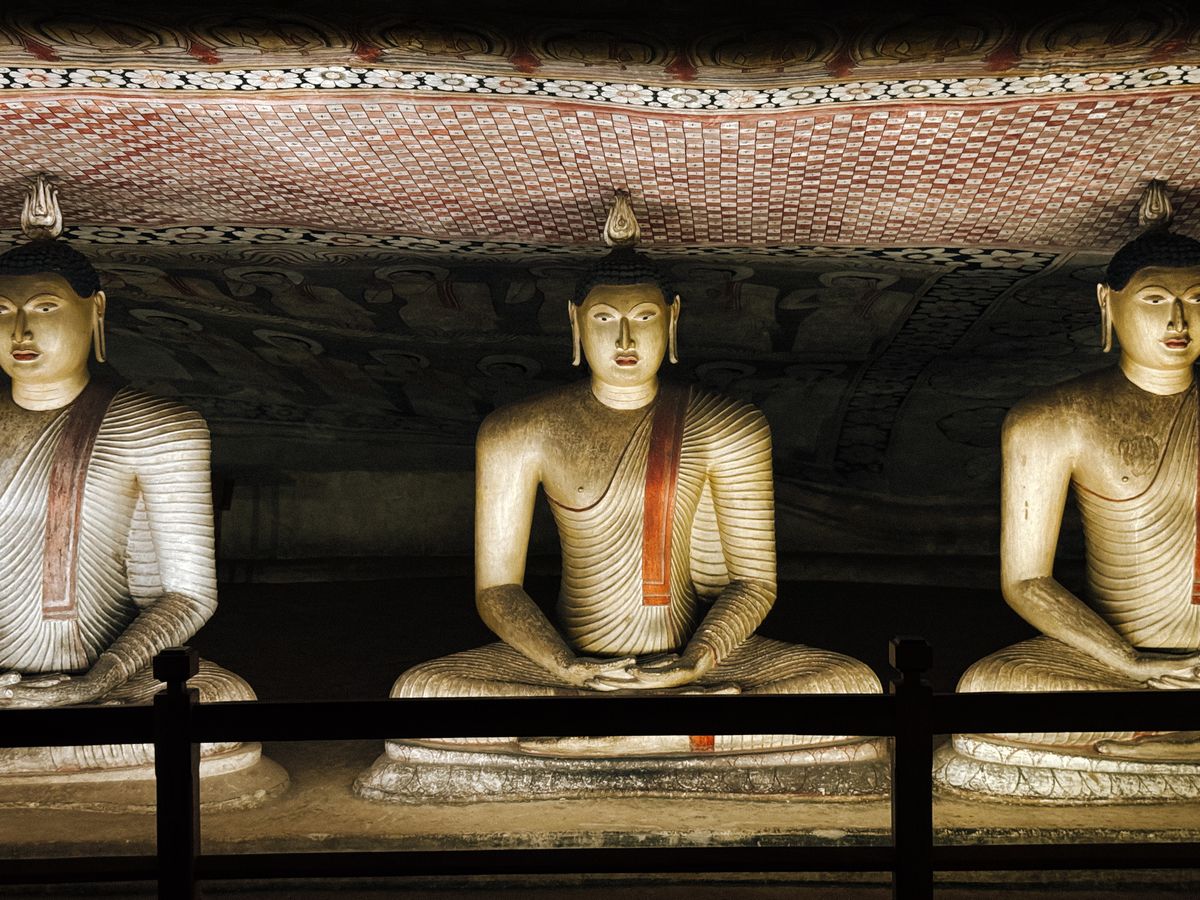
The upcoming Poya on August 4 2026 holds particular importance because it concludes the three‑month Vassa retreat—a period when monks remain in one monastery, deepening their practice. This “Esala Poya” is marked by special prayers for the monks’ safe return to the lay community. Temples across the island organize processions of Buddha statues, illuminated by thousands of oil lamps, creating a sea of gold that reflects off the evening water. In coastal towns like Galle, the Galle Fort hosts a night market where vendors sell kiribath and pol roti (coconut roti) under string lights, while the sound of chanting drifts from nearby temples. Travelers staying in the region can join a guided night walk that explains the symbolism of each ritual, offering a rare glimpse into the culmination of monastic devotion. Booking early ensures you secure a spot in these limited‑capacity events, as locals cherish the chance to share their traditions with respectful guests.
Practical Tips For Visiting On A Poya Day
By following these guidelines, you honor local customs while maximizing the cultural payoff of your trip.
Frequently Asked Questions
What Is a Full Moon Poya Day In Sri Lanka?
A Full Moon Poya Day is a monthly Buddhist public holiday that aligns with the lunar full moon. It originates from the ancient Uposatha observance, during which monks and laypeople intensify their spiritual practices. On Poya, Sri Lankans close businesses, abstain from meat and alcohol, and visit temples to chant, meditate, and give alms. The day serves both religious and cultural functions, marking a rhythm that influences the nation’s calendar and daily life.
Why Do Businesses Close On Poya?
Businesses close to respect the sanctity of the day and to allow employees to observe religious duties. The government designates Poya as a national holiday, mandating the closure of banks, schools, and most private firms. Alcohol sales are legally prohibited, and many restaurants switch to vegetarian menus. This collective pause reinforces the communal spirit of merit‑making and ensures that the focus remains on spiritual reflection rather than commercial activity.
Can Tourists Participate In Temple Activities On Poya?
Yes, tourists are welcome to join most temple activities, provided they follow etiquette. Dress modestly, remove shoes, keep noise to a minimum, and do not photograph monks without permission. Many temples offer evening chanting sessions and lantern processions that are open to the public. Participating in alms‑giving walks or listening to Dhamma talks provides a deeper understanding of Sri Lankan Buddhism and earns goodwill from locals.
How Does Poya Affect Transportation And Travel Plans?
Public transport operates on a reduced schedule; buses and trains may run fewer trips, and some routes close entirely. However, taxis, tuk‑tuks, and private car hires remain available. It’s wise to book transport in advance and allow extra travel time. Major tourist sites like the Temple of the Tooth stay open, often extending hours for evening ceremonies, which can be a highlight for visitors.
What Is The Significance Of The August 4, 2026 Poya?
The August 4 2026 Poya, known as Esala Poya, marks the end of the three‑month Vassa retreat for monks. It is celebrated with special prayers, lantern‑lit processions, and communal feasts. The day emphasizes gratitude for the monks’ renewed presence in the community and offers unique cultural events such as night markets and guided lantern walks, making it an ideal time for travelers to experience authentic Sri Lankan traditions.
Are There Any Food Restrictions On Poya Days?
Yes. Devout Buddhists abstain from meat, fish, and alcohol on Poya. Consequently, most restaurants and street stalls serve vegetarian dishes. Popular items include kiribath (milk rice), kiri hodi (coconut milk curry), and roti with lunu miris (spicy onion relish). If you prefer non‑vegetarian food, plan ahead by bringing snacks or choosing hotels that can accommodate your preferences discreetly.
How Can I Respect Local Customs While Visiting On A Poya Day?
Respect begins with observation: dress modestly, keep your voice low, and refrain from smoking inside temple grounds. Offer a small donation if you wish to support the temple, but never force offerings on monks. Avoid consuming alcohol in public, and be mindful that many locals fast. Engaging politely with locals about the significance of the day shows genuine interest and often leads to warm invitations to join community activities.
Will I Still Be Able To Enjoy Nightlife On Poya?
Most bars and clubs either close or serve alcohol discreetly behind curtains. However, many hotels maintain a private lounge for guests. The real nightlife on Poya shifts to cultural events—temple lantern festivals, night markets, and evening chants. Embrace these alternatives for a richer, more authentic experience that aligns with the island’s spiritual atmosphere.
Conclusion
Full Moon Poya Day is the pulse that syncs Sri Lanka’s calendar with its Buddhist heritage. It transforms ordinary weekdays into moments of collective reverence, altering everything from business hours to the flavors on your plate. For travelers, recognizing Poya means more than avoiding closed attractions; it opens doors to authentic encounters—watching monks receive alms, strolling through lantern‑lit streets, and sharing vegetarian meals with locals. The upcoming August 4 2026 Poya offers a special glimpse into the conclusion of the monks’ Vassa retreat, a time when gratitude and celebration intertwine. By respecting the customs, planning ahead, and immersing yourself in the rituals, you turn a public holiday into a highlight of your Sri Lankan adventure. So the next time the moon swells to its fullest, step out, observe, and let the island’s quiet devotion enrich your journey.