
Discovering Dambulla Cave Temple Dambulla Cave Temple is a UNESCO World Heritage Site in Sri Lanka, featuring over 150 Buddha statues and well-preserved murals. This ancient monastery remains active, attracting pilgrims and tourists alike. To plan your visit, consider the required entrance fees and dress code.
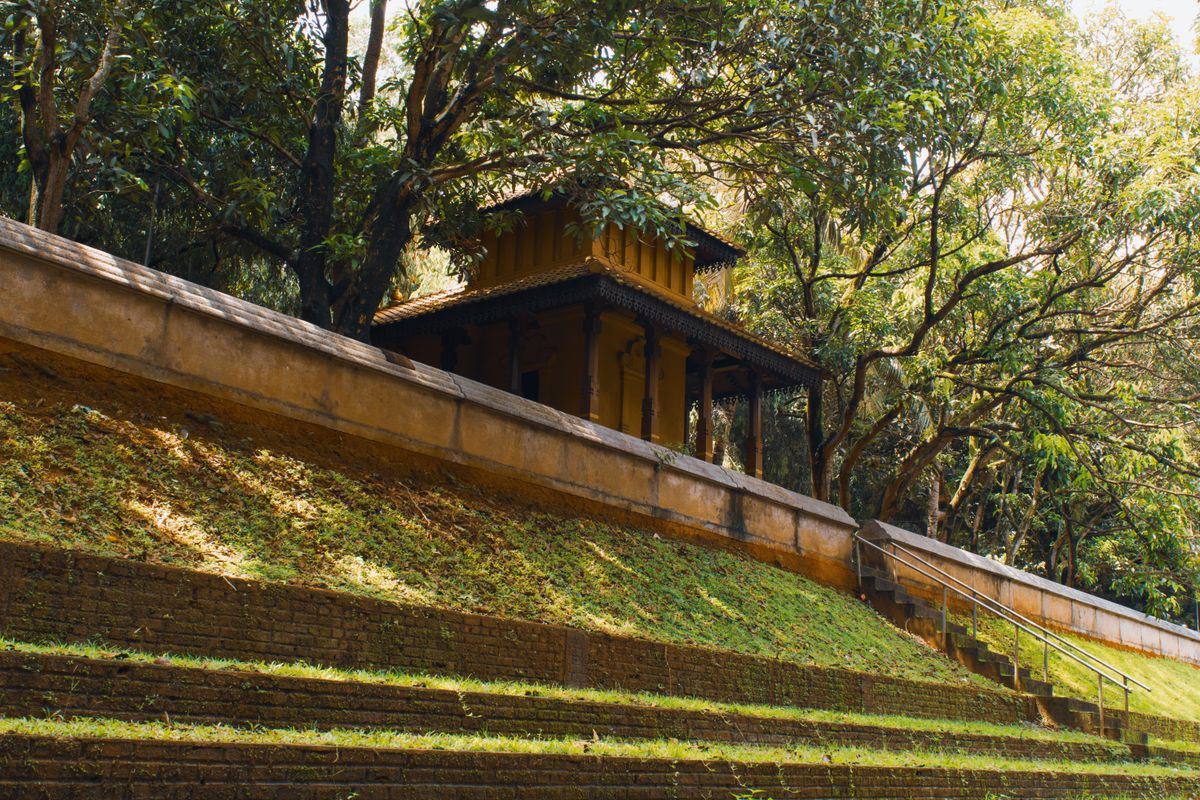
The Dambulla Cave Temple is a treasure trove of Sri Lankan history and culture, nestled in the heart of the country. As you approach the temple, you're met with a sense of awe and wonder, the golden hues of the cave complex glistening in the sunlight. With its rich history, stunning architecture, and breathtaking views, the Dambulla Cave Temple is an experience you'll never forget. As you step inside, the sound of chanting monks and the sweet scent of incense envelop you, transporting you to a world of tranquility and spiritual awakening. The temple's walls are adorned with vibrant murals, depicting the life of Buddha and the history of Sri Lanka, while the intricate carvings and statues showcase the country's exceptional craftsmanship.
Exploring The History Of Dambulla Cave Temple
The Dambulla Cave Temple has a long and storied history, dating back to the 1st century BC. The temple was initially used as a refuge for King Valagamba, who sought shelter in the caves during a time of war. Later, the caves were converted into a temple, with the addition of Buddha statues, murals, and other religious artifacts. Over the centuries, the temple has undergone numerous renovations and expansions, with various monarchs and donors contributing to its development. Today, the Dambulla Cave Temple is one of the most well-preserved and revered sites in Sri Lanka, attracting visitors from around the world. As you explore the temple, you'll discover a wealth of historical and cultural significance, from the ancient stone carvings to the stunning murals that adorn the walls. The temple's history is a testament to the country's rich cultural heritage, and its significance extends beyond its religious importance, representing a symbol of national pride and identity.
Uncovering The Architecture Of Dambulla Cave Temple
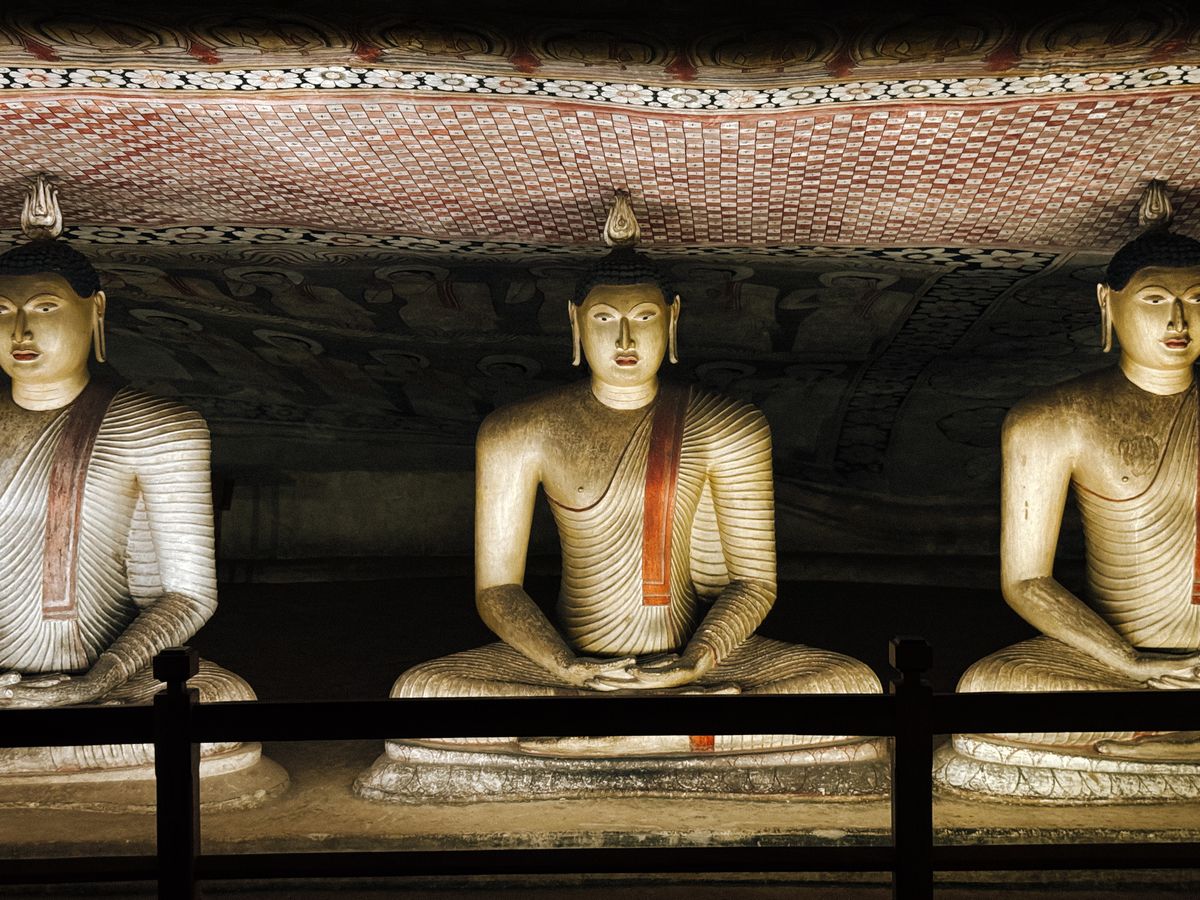
The Dambulla Cave Temple is a masterpiece of ancient architecture, with its unique blend of natural and man-made structures. The temple complex consists of five main caves, each with its own distinctive character and features. The caves are filled with a vast array of Buddha statues, ranging from small, intricate figurines to massive, imposing sculptures. The walls and ceilings of the caves are adorned with vibrant murals, depicting scenes from Buddhist mythology and the history of Sri Lanka. The temple's architecture is a testament to the ingenuity and craftsmanship of the ancient Sri Lankans, who were able to create a stunning and functional complex that has stood the test of time. As you explore the temple, you'll be struck by the sheer scale and beauty of the architecture, from the towering stone pillars to the intricate carvings that adorn the walls.

Delving Into The Caves Of Dambulla
The Dambulla Cave Temple is home to five main caves, each with its own unique character and features. The first cave, known as the Cave of the Divine King, is the largest and most impressive, featuring a massive Buddha statue and a stunning array of murals. The second cave, the Cave of the Great Kings, is home to a vast collection of Buddha statues, as well as a number of other religious artifacts. The third cave, the Maha Alut Viharaya, is one of the most beautifully decorated, with intricate carvings and vibrant murals adorning the walls and ceiling. The fourth and fifth caves, the Paschima Viharaya and the Devana Alut Viharaya, are smaller but no less impressive, featuring a range of Buddha statues and other religious artifacts. As you explore the caves, you'll discover a wealth of history, culture, and natural beauty, from the stunning rock formations to the vibrant murals that adorn the walls.
Understanding The Cultural Significance Of Dambulla Cave Temple
The Dambulla Cave Temple is a site of immense cultural and historical significance, not only in Sri Lanka but also around the world. The temple is a testament to the country's rich cultural heritage, representing a unique blend of Buddhist and Sri Lankan traditions. The temple's stunning architecture, beautiful murals, and intricate carvings are a reflection of the country's exceptional craftsmanship and artistic talent. The temple is also an important site for Buddhist pilgrims, who come to worship and pay their respects to the Buddha. As you explore the temple, you'll gain a deeper understanding of the cultural significance of the site, from the ancient stone carvings to the vibrant murals that adorn the walls. The temple's cultural significance extends beyond its religious importance, representing a symbol of national pride and identity.

Planning Your Visit To Dambulla Cave Temple
Visiting the Dambulla Cave Temple is a unique and unforgettable experience, but it requires some planning and preparation. The temple is open to visitors throughout the year, but the best time to visit is during the dry season, from December to April. Visitors are required to dress modestly, covering their shoulders and knees, and to remove their shoes before entering the temple. The temple is open from 7:30 am to 7:00 pm, and visitors can expect to spend at least a few hours exploring the complex. As you plan your visit, consider the temple's rules and regulations, as well as the cultural and historical significance of the site. With its rich history, stunning architecture, and breathtaking views, the Dambulla Cave Temple is an experience you'll never forget.
Tips And Guidelines For Visiting Dambulla Cave Temple
Visiting the Dambulla Cave Temple is a unique and unforgettable experience, but it requires some planning and preparation. Visitors are required to dress modestly, covering their shoulders and knees, and to remove their shoes before entering the temple. The temple is open from 7:30 am to 7:00 pm, and visitors can expect to spend at least a few hours exploring the complex. As you plan your visit, consider the temple's rules and regulations, as well as the cultural and historical significance of the site. It's also a good idea to hire a guide, who can provide you with a deeper understanding of the temple's history and significance. With its rich history, stunning architecture, and breathtaking views, the Dambulla Cave Temple is an experience you'll never forget.
Location
Frequently Asked Questions
1. What is the history of the Dambulla Cave Temple? The Dambulla Cave Temple has a long and storied history, dating back to the 1st century BC. The temple was initially used as a refuge for King Valagamba, who sought shelter in the caves during a time of war. Later, the caves were converted into a temple, with the addition of Buddha statues, murals, and other religious artifacts. Over the centuries, the temple has undergone numerous renovations and expansions, with various monarchs and donors contributing to its development.
2. What are the main features of the Dambulla Cave Temple? The Dambulla Cave Temple is a complex of five main caves, each with its own unique character and features. The caves are filled with a vast array of Buddha statues, ranging from small, intricate figurines to massive, imposing sculptures. The walls and ceilings of the caves are adorned with vibrant murals, depicting scenes from Buddhist mythology and the history of Sri Lanka.
3. What is the cultural significance of the Dambulla Cave Temple? The Dambulla Cave Temple is a site of immense cultural and historical significance, not only in Sri Lanka but also around the world. The temple is a testament to the country's rich cultural heritage, representing a unique blend of Buddhist and Sri Lankan traditions. The temple's stunning architecture, beautiful murals, and intricate carvings are a reflection of the country's exceptional craftsmanship and artistic talent.
4. How do I get to the Dambulla Cave Temple? The Dambulla Cave Temple is located in the town of Dambulla, which is situated in the Central Province of Sri Lanka. The temple is accessible by road, with regular bus services connecting Dambulla to major cities such as Colombo, Kandy, and Sigiriya. Visitors can also hire taxis or drive themselves to the temple.
5. What are the rules and regulations for visiting the Dambulla Cave Temple? Visitors to the Dambulla Cave Temple are required to dress modestly, covering their shoulders and knees, and to remove their shoes before entering the temple. The temple is open from 7:30 am to 7:00 pm, and visitors can expect to spend at least a few hours exploring the complex. It's also a good idea to hire a guide, who can provide you with a deeper understanding of the temple's history and significance.
6. Can I take photos inside the Dambulla Cave Temple? Yes, visitors are allowed to take photos inside the Dambulla Cave Temple, but flash photography is not permitted. Visitors are also requested to be respectful of the temple's artifacts and murals, and to avoid touching or damaging them in any way.
7. Are there any accommodation options near the Dambulla Cave Temple? Yes, there are a range of accommodation options available near the Dambulla Cave Temple, ranging from budget-friendly guesthouses to luxury hotels. Visitors can choose to stay in the town of Dambulla, which offers a range of amenities and services, or in nearby cities such as Sigiriya or Kandy.
8. Can I visit the Dambulla Cave Temple as a day trip from Colombo? Yes, it is possible to visit the Dambulla Cave Temple as a day trip from Colombo, but it's a long journey and may be tiring. The temple is located approximately 150 km from Colombo, and the journey takes around 3-4 hours by road. Visitors may prefer to stay overnight in the town of Dambulla or nearby cities, in order to fully explore the temple and its surroundings.
In conclusion, the Dambulla Cave Temple is a unique and unforgettable experience, offering a glimpse into Sri Lanka's rich cultural heritage and stunning natural beauty. With its rich history, stunning architecture, and breathtaking views, the temple is a must-visit destination for anyone traveling to Sri Lanka. As you plan your visit, consider the temple's rules and regulations, as well as the cultural and historical significance of the site. With its vibrant murals, intricate carvings, and massive Buddha statues, the Dambulla Cave Temple is an experience you'll never forget. Whether you're a history buff, a culture vulture, or simply a curious traveler, the Dambulla Cave Temple is a destination that will leave you in awe and inspire you to learn more about this incredible country.