


Introduction
Walking through the bustling aisles of Pettah, the fragrant spice stalls of Kandy, or the colorful fish market of Negombo feels like stepping into a living story. Every vendor greets you with a smile, a raised hand, and a price that is often just the opening line of a friendly duel. Mastering the art of haggling unlocks lower prices, deeper conversations, and a richer sense of belonging. In 2026, Sri Lankan markets still cherish the ancient rhythm of give‑and‑take, and tourists who respect the dance are rewarded with souvenirs that taste of authenticity.
Quick answer: Start with a smile, ask for a lower price, and be ready to meet halfway. Keep cash in small notes, stay polite, and know when bargaining is welcome—traditional markets, not malls or restaurants.
What You'll Need
- Small denomination Sri Lankan rupees (LKR) – aim for 100, 500 and 1,000 rupee notes plus a few coins.
- A copy of your passport (some vendors ask for ID in tourist zones).
- A mobile data plan or offline map app (Google Maps, Maps.me) to locate markets and opening hours.
- Comfortable shoes and breathable clothing for standing in heat and crowds.
- Approximately 30‑45 minutes per market visit, plus extra time for negotiation.
Step 1: Research the Market Before You Arrive
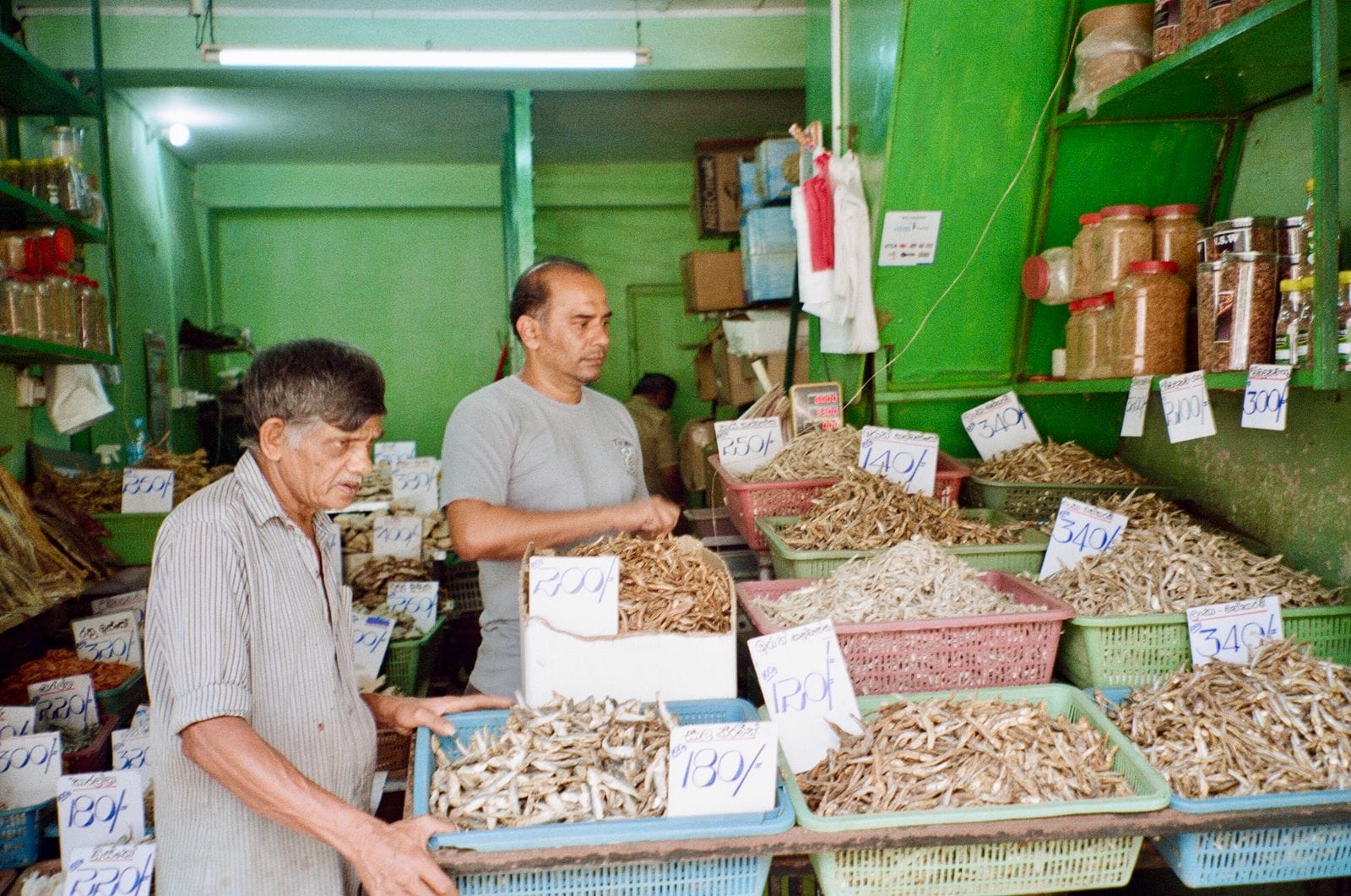
Knowing which market suits your loot saves time and confidence. Pettah Market in Colombo opens at 7 am and closes around 5 pm; Kandy’s Central Market buzzes from 8 am to 4 pm; Galle Fort’s craft stalls are most active between 10 am‑3 pm. Check recent traveler reviews on TripAdvisor or the Sri Lanka Tourism website for any temporary closures. Write down the address, opening hours, and a quick note on the main goods sold (e.g., textiles in Kandy, seafood in Negombo).
Step 2: Dress the Part and Show Respect
Appearance influences how vendors perceive you and can affect the price they quote. Locals often greet tourists in “sari‑friendly” attire—loose shirts, modest skirts or trousers. In Jaffna, a simple white shirt and clean shoes signal respect. Vendors are more inclined to offer a fair price when they sense you value their culture. Choose breathable cotton, avoid loud logos, and carry a reusable water bottle to stay hydrated while you haggle.
Step 3: Carry the Right Money and Count It Out Loud
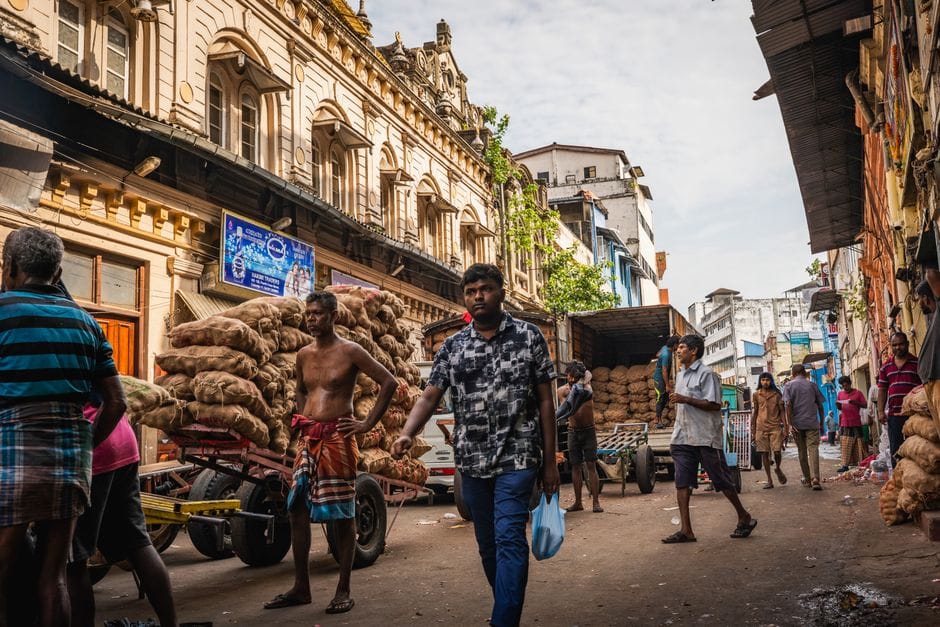
Small notes give you leverage; announcing the amount shows seriousness. A typical souvenir—hand‑woven batik sarong—costs 2,000 LKR (about $7) at first ask. Offering 1,200 LKR (about $4) in neat bundles signals you know the market range. Vendors often accept a round number like 1,500 LKR (about $5) as a compromise. Keep a stack of 100- and 500-rupee notes in a zip-lock bag, and learn to ask “kīyada?” (how much? in Sinhala) to show effort.
Step 4: Initiate the Conversation with a Friendly Greeting
Politeness opens the door to negotiation. A simple “Ayubowan” (good morning) in Sinhala or “Vanakkam” in Tamil often earns a warm smile. Vendors respond positively when you ask, “How much for this?” rather than demanding a price immediately. Mirror the vendor’s tone, maintain eye contact, and keep your voice calm. A light laugh or comment about the item’s colors can break the ice.
Step 5: Make Your First Offer and Expect a Counter‑Offer
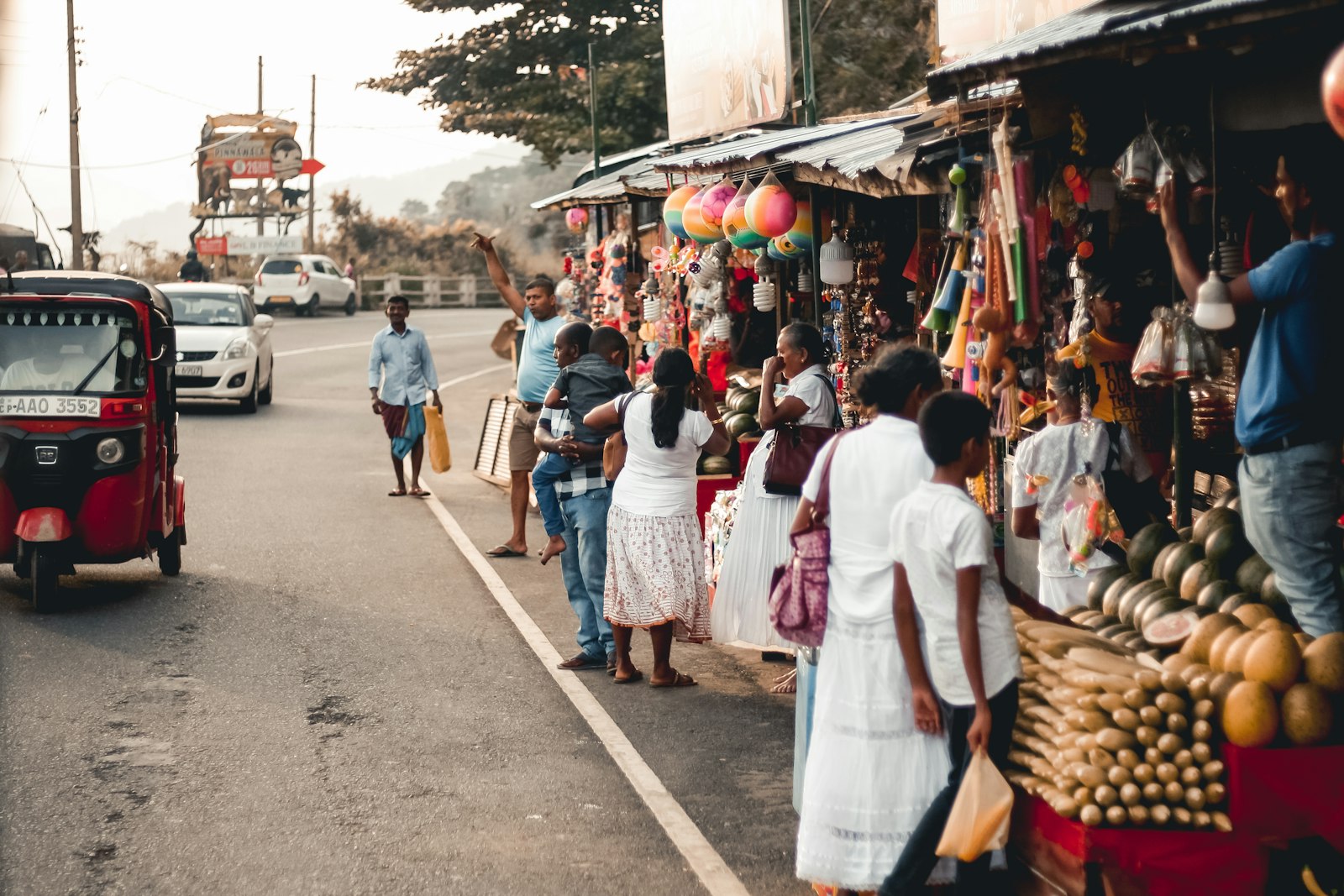
The first price you state sets the bargaining stage. In Pettah, sellers typically start 30‑50 % above the market average. If a brass lantern is quoted at 4,500 LKR (about $15), a reasonable opening offer is 2,800 LKR (about $9). The vendor may reply with 3,800 LKR (about $13), prompting you to meet halfway. Prepare to repeat the “offer‑counter‑offer” loop two to three times. Keep your tone light; say, “Can we do 3,000 LKR?” and smile.
Step 6: Use the “Bundle” Technique for Better Deals
Buying multiple items often yields a discount. A vendor selling wooden masks may charge 1,200 LKR each. If you ask for three, they might lower the price to 2,800 LKR total (about $9), a 22 % saving. This works especially in spice stalls, where buying several packets together usually earns a better price per packet. Scan the stall for related products, then say, “If I take these two and that one, can we settle at ___?”
Step 7: Know When to Walk Away
Leaving signals that you won’t accept an unfair price, often prompting a better offer. In Galle Fort, a hand‑carved wooden box might be quoted at 6,000 LKR (about $20). If the vendor refuses to go below 5,500 LKR after several rounds, politely say, “I’ll think about it,” and step back. Vendors frequently shout a lower price as you turn, such as 5,200 LKR (about $17). Keep a calm demeanor, thank them for their time, and walk away with a smile.
Step 8: Seal the Deal and Show Appreciation
Closing the negotiation with gratitude leaves a good impression for future visits. After agreeing on 3,200 LKR (about $11) for a silk scarf, say, “Thank you, beautiful work.” Hand over the exact amount, avoid making change, and receive a small receipt if available. Vendors often add a tiny extra—like a second smaller scarf—as a goodwill gesture. Snap a quick photo of your purchase (with permission) and share it on social media tagging #SriLankaHaggle; vendors love the exposure.
Pro Tips
- Boldly Use Local Phrases: “Kohomada?” (How are you?) and “Ekka denne?” (Will you give a discount?) show effort.
- Carry a Small Mirror: Vendors love to see a reflective surface; it can be a conversation starter and a subtle way to gauge honesty.
- Timing Matters: Early mornings before the crowd peaks often yield lower prices.
- Know the Approximate USD Value: 1 USD ≈ 365 LKR (2026 rate) helps you judge fairness instantly.
- Avoid the “Tourist Trap” Stalls: Those near major hotels often inflate prices; walk a few blocks deeper into the market.
- Stay Hydrated: A cool drink keeps you sharp; vendors may offer you a coconut water for a small tip.
- Practice the “One‑Minute Rule”: If you can’t decide within a minute, it’s probably not worth the haggling effort.
Common Mistakes to Avoid
- Insisting on a Fixed Price: Vendors expect flexibility; stubbornness can end negotiations.
- Using Large Bills Only: They limit your ability to offer precise amounts and may cause vendors to lose interest.
- Haggling in Restaurants or Malls: Only traditional markets welcome bargaining; elsewhere it’s considered rude.
- Over‑Negotiating the Same Item: After a few rounds, accept the final offer or walk away; pushing too hard damages relationships.
- Neglecting Personal Safety: Keep your wallet close, avoid flashing valuables, and be aware of your surroundings.
FAQ
How much should I expect to pay for a typical souvenir?
Prices vary by market and item. A hand‑woven batik sarong usually starts at 2,000‑2,500 LKR (about $7–$8). After bargaining, 1,200‑1,500 LKR (about $4–$5) is common. Spices also come down when you buy several packets at once.
Is it okay to haggle for food items at a market stall?
Yes, for fresh produce, fruits, and street‑food ingredients you can haggle. However, you should not bargain for prepared meals inside restaurants or for drinks at bars. Stick to raw goods like vegetables, fish, or tea leaves.
Do I need to bring a translator to haggle in Tamil‑speaking areas like Jaffna?
A translator isn’t required; most vendors understand basic English. Learning a few Tamil words—such as “Evvalavu?” (How much?)—shows respect and often earns a better price.
What is the best time of day to start bargaining?
Arrive early, between 7 am‑9 am, when vendors are setting up and are more relaxed. Prices tend to rise in the late afternoon as the crowd thickens.
How can I tell if a vendor is offering a fair price?
Compare at least three stalls selling the same item. If the range is 2,000‑2,500 LKR, a price above 3,000 LKR is likely inflated. Use online forums or the “Good Market” app for up‑to‑date price checks.
Are there any items that should never be haggled over?
Yes—items like medical supplies, religious artifacts, and items marked “fixed price” by law (e.g., certain government‑issued souvenirs) should be purchased at the listed price.
What should I do if a vendor becomes aggressive?
Remain calm, thank them politely, and step away. Aggressive bargaining is rare in reputable markets; if it occurs, seek assistance from nearby stall owners or market security.
Final Thoughts
Haggling in Sri Lanka is more than a money‑saving tactic; it’s a cultural exchange that lets you taste the island’s rhythm, hear its stories, and leave with treasures that carry a personal handshake. By preparing, staying courteous, and respecting the unwritten rules, you turn every market visit into a memorable adventure. So, pocket those small notes, flash a friendly grin, and let the dance of price begin—your 2026 Sri Lankan journey awaits.


