

Introduction
Sri Lanka dazzles with emerald tea terraces, golden temples and surf‑kissed beaches, but its tropical heat, humid air and bustling street food scene can catch the unprepared traveler off guard. From the sweltering streets of Colombo to the misty heights of Ella, staying healthy requires a blend of common sense, a few smart purchases, and a dash of local awareness. This guide gathers the most reliable, up‑to‑date advice so you can savor kottu, trek ancient ruins, and snorkel coral reefs without a single unwanted hospital visit.
Quick answer: Hydrate constantly with bottled water, protect yourself from the sun and insects, and get the recommended vaccines (Hepatitis A, Typhoid, MMR, Tetanus‑diphtheria‑pertussis, and Rabies if you’ll be near animals).
1. Drink Only Bottled or Filtered Water
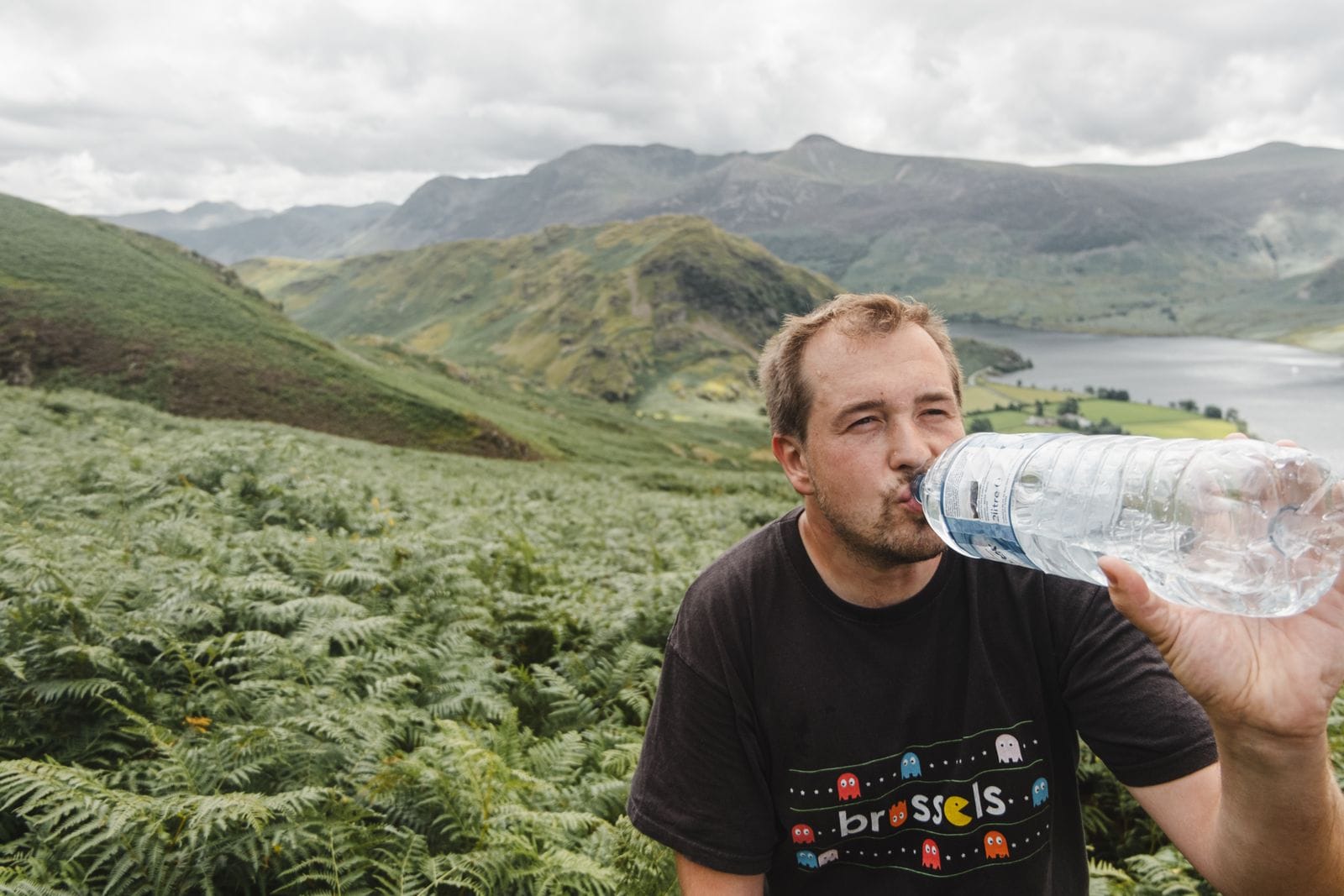
Sri Lankan tap water contains microbes that can upset a sensitive stomach. Even a brief sip from a hotel faucet may lead to diarrhea, especially after a day of sweating in 88‑95 °F (31‑35 °C) humidity. Purchase sealed 500 ml bottles from reputable brands; a 1-litre bottle has a government maximum retail price of about LKR 120. Use the same bottles to brush your teeth and rinse your face. If you prefer a reusable bottle, bring a portable charcoal filter (about LKR 1,200, about US$4) and refill only from trusted sources like hotel water dispensers or verified street vendors.
2. Keep Hydrated With Electrolyte Drinks
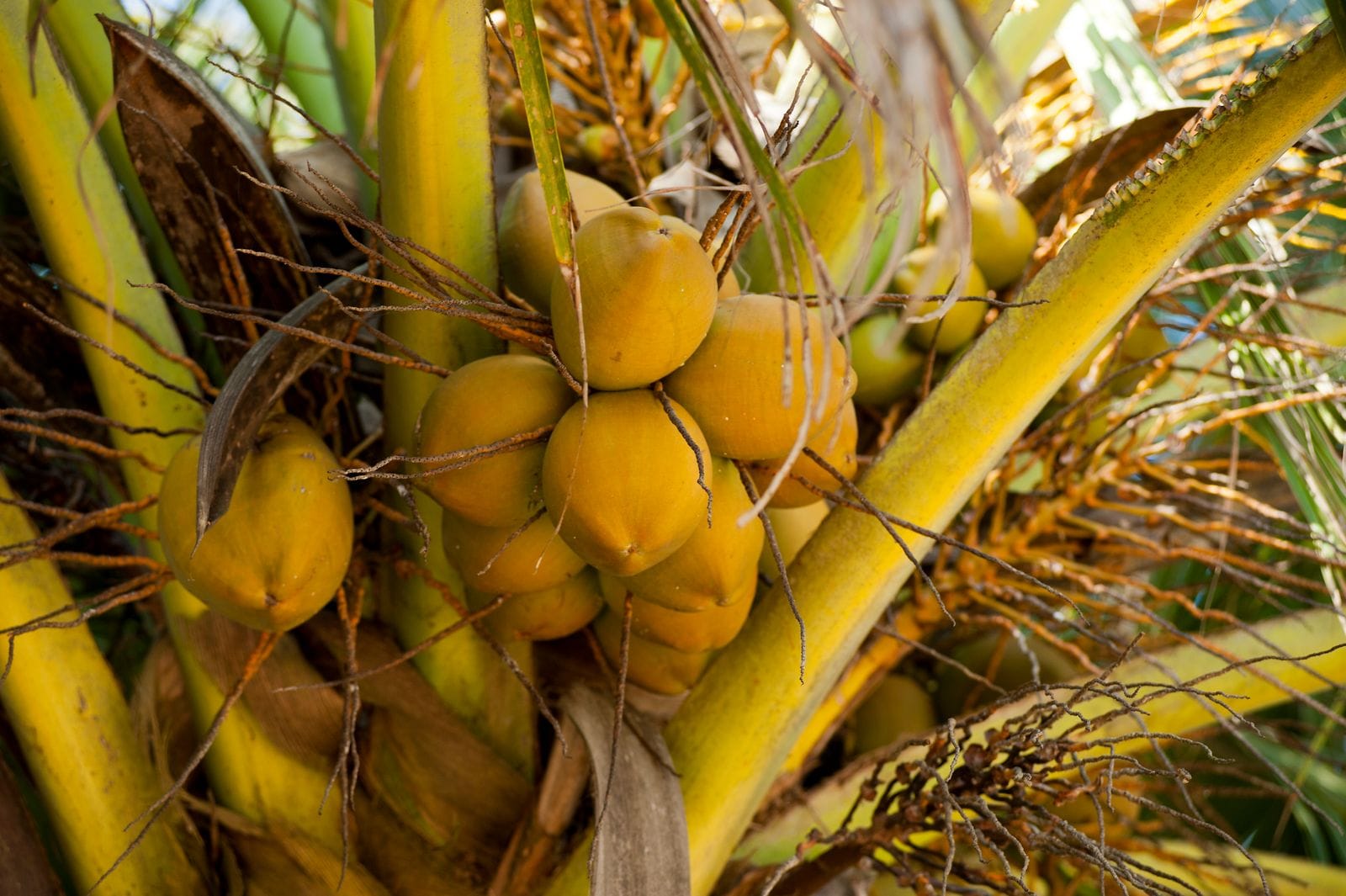
Sweating heavily drains salts as well as water. Replace them by sipping oral rehydration salts (ORS) or coconut water. A sachet of ORS powder (LKR 30, under US$1) dissolves in a bottle of water and supplies the right sodium‑potassium balance. Fresh king coconut sold on Galle’s promenade typically costs a few hundred rupees and offers natural electrolytes plus a sweet, refreshing taste—perfect after a sunrise trek to the Nine Arches Bridge in Ella.
3. Choose Safe Street Food Wisely
Sri Lankan street food is a carnival of flavors, but not every stall meets hygiene standards. Look for queues of locals, especially tuk‑tuk drivers or schoolchildren, as they signal consistent turnover and hot cooking. Order dishes that are cooked to order—egg hoppers, kottu roti, or grilled seafood. Avoid anything that has sat under a plastic cover for more than an hour, and skip pre‑cut fruit unless you see a clean knife in use.
4. Get Recommended Vaccinations Before You Go
Vaccines act as a shield against the most common travel‑related illnesses. Hepatitis A and Typhoid protect against food‑ and water‑borne bacteria; MMR keeps you safe from occasional measles spikes; and a combined Tetanus‑diphtheria‑pertussis booster guards against wounds you might sustain on hikes. If you plan to explore caves, interact with stray dogs, or volunteer with wildlife, add a Rabies shot. Book a travel-health appointment at home 4–8 weeks before departure; your clinic will advise which vaccines you need.
5. Pack a Comprehensive Travel Health Kit
Even minor cuts can become serious in a tropical climate. Include adhesive bandages, antiseptic wipes, hydrocortisone cream, antihistamines, anti‑diarrheal tablets (e.g., loperamide), and a small pack of oral rehydration salts. Bring any prescription medicines you need, plus an extra supply in case of delays. A basic kit assembled locally costs around LKR 1,500–2,000 (about US$5–7). Remember to label each item in English and, if possible, in Sinhala or Tamil for local pharmacists.
6. Use Sun Protection Every Hour
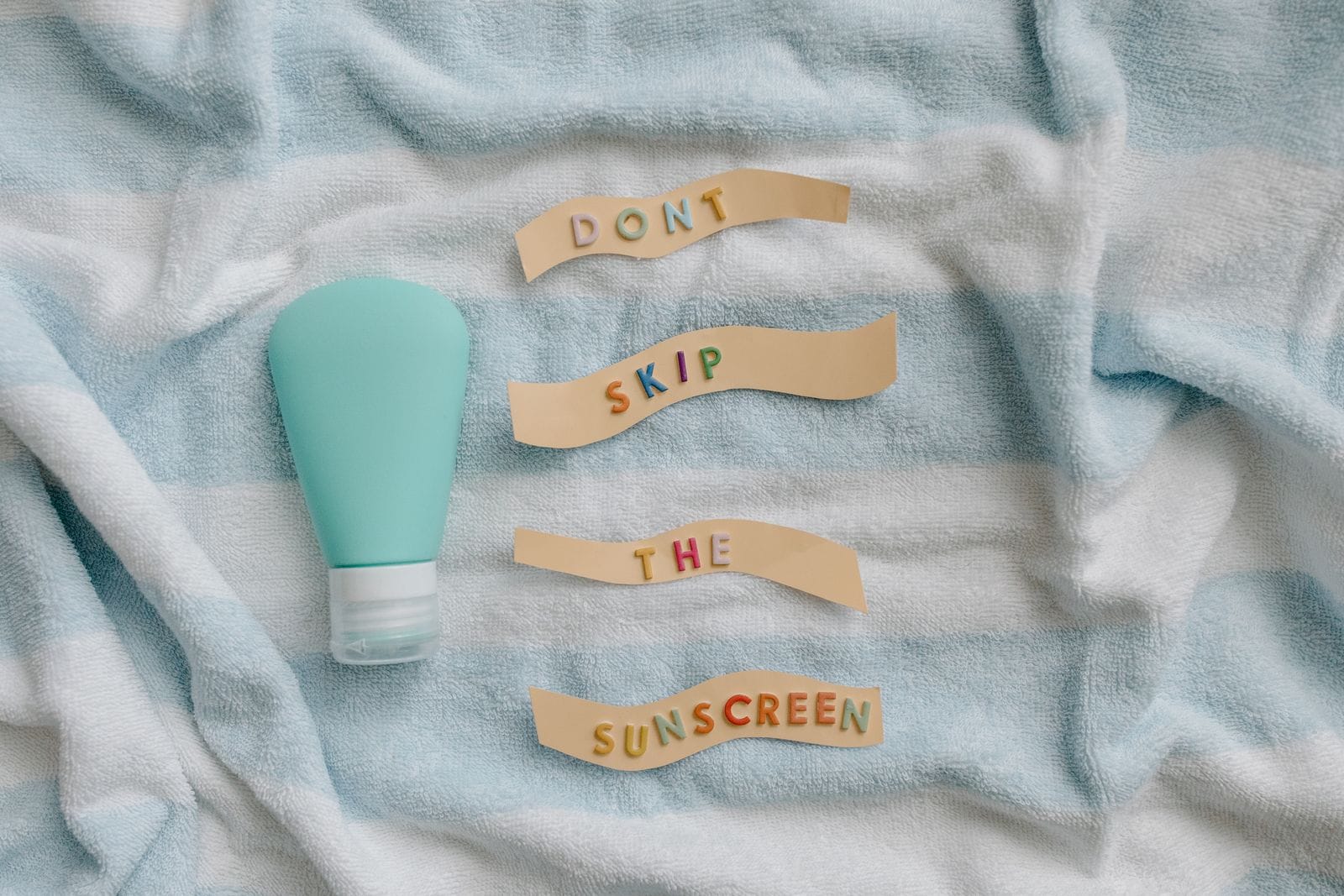
The tropical sun burns fiercely, even on overcast days. Apply SPF 50 sunscreen generously to all exposed skin every two hours; imported sunscreen is expensive in Sri Lanka, so bring enough from home. Wear a wide‑brim hat, UV‑blocking sunglasses, and light, long‑sleeved shirts when you explore temples in Kandy or the ancient citadel of Polonnaruwa. Reapply after swimming or heavy sweating, and seek shade during the peak 11 a.m.–3 p.m. window.
7. Guard Against Mosquito‑Borne Diseases
Dengue fever spikes during the monsoon months (May–September and October–December). Mosquitoes thrive near stagnant water and in crowded markets. Apply 20‑30 % DEET or picaridin repellent on exposed limbs; a 100 ml bottle costs LKR 500–700 (about US$2). Wear long trousers and sleeves after dusk, especially in Colombo’s suburbs and the lowlands of Gampaha. If you’re staying in budget guesthouses, ask for a mosquito net—many provide them free of charge.
8. Practice Safe Animal Interactions
Stray dogs, monkeys, and cattle roam freely in many towns. Rabies, though rare in tourists, is present in the canine population. Avoid petting or feeding animals, and never let children approach them unsupervised. If you are bitten or scratched, wash the wound with soap and water immediately, apply an antiseptic, and seek medical attention—most major hospitals in Colombo and Kandy can administer post‑exposure rabies immunoglobulin.
9. Prepare for Heat‑Related Illness
Heat exhaustion can strike quickly when you climb Sigiriya early in the morning or wander the tea estates of Nuwara Eliya. Wear breathable, moisture‑wicking clothing; avoid cotton that stays damp. Carry a small bottle of salty snack (e.g., pretzels) to replenish sodium. Take regular breaks in shaded areas, drink water every 15‑20 minutes, and recognize warning signs: dizziness, profuse sweating, and nausea. If symptoms worsen, move to an air‑conditioned space and hydrate with ORS.
10. Know the Local Emergency Numbers
In case of a medical emergency, call 1990 for the free Suwa Seriya ambulance, 119 for police and 1912 for the Tourist Police. Keep the numbers saved in your phone and write them on a card in both English and Sinhala. Major hospitals—National Hospital of Sri Lanka in Colombo, Teaching Hospital Kandy, and Teaching Hospital Galle—offer emergency rooms that accept foreign patients, but be prepared for possible cash payments if your insurance does not cover immediate treatment.
11. Verify Your Travel Insurance Covers Medical Evacuation
Sri Lanka’s public hospitals handle routine ailments well, yet serious injuries (e.g., from motorbike accidents) may require evacuation to facilities abroad. Review your policy to confirm it includes medical evacuation, repatriation, and coverage for adventure activities such as trekking in Horton Plains. Typical comprehensive travel insurance for a two‑week trip costs around LKR 4,500–6,500 (about US$15–22). Keep a digital copy of your policy and emergency contact numbers accessible offline.
12. Adjust to Altitude Gradually in the Central Highlands
While most of Sri Lanka sits near sea level, towns like Nuwara Eliya sit at 1,800 m (5,900 ft). The thinner air can cause mild altitude symptoms for travelers accustomed to coastal climates. Ascend slowly, stay hydrated, and avoid heavy meals on the first day at higher elevations. A light snack of fresh fruit and a bottle of water will keep you comfortable as you explore tea factories or hike to Little Adam’s Peak.
Quick Checklist
- Drink only sealed bottled or filtered water.
- Carry ORS packets and a reusable bottle.
- Choose busy, local street‑food stalls; watch the cooking heat.
- Get Hepatitis A, Typhoid, MMR, Tdap, and Rabies if needed.
- Pack sunscreen (SPF 50), hat, and UV glasses.
- Apply DEET or picaridin repellent each evening.
- Avoid touching stray animals; seek medical help if bitten.
- Wear lightweight, moisture‑wicking clothing in heat.
- Save emergency numbers 1990 (ambulance), 119 (police) and 1912 (Tourist Police).
- Confirm insurance covers evacuation and adventure activities.
FAQ
Which vaccines are absolutely essential for a short city stay in Colombo?
Hepatitis A and Typhoid are the most important because they protect against food‑ and water‑borne bacteria common in urban eateries. An up‑to‑date MMR and Tdap booster round out basic protection, especially if you’ll be in crowded markets or using public transport.
How much bottled water should I budget for a week of travel?
A typical traveler drinks 2‑3 liters per day. With a 1-litre bottle capped at about LKR 120, expect to spend roughly LKR 1,700–2,500 (about US$6–8) per week. Buying in bulk from supermarkets can lower the cost slightly.
Is it safe to drink coconut water straight from the shell?
Yes, fresh king coconut sold by licensed vendors is safe and provides natural electrolytes. Ensure the vendor uses a clean knife and that the shell is intact; avoid coconuts with cracks or signs of mold.
What should I do if I get a mosquito bite that looks infected?
Clean the bite with antiseptic wipes, apply an antibiotic cream, and cover with a sterile bandage. Monitor for swelling, redness, or fever. If symptoms worsen, visit a local clinic—most pharmacies in Kandy and Galle can prescribe oral antibiotics if needed.
Can I rely on hotel water for brushing my teeth?
Only if the hotel explicitly states that the water is filtered or bottled. Many upscale hotels treat water on‑site, but budget accommodations often use untreated tap water. When in doubt, use bottled water for brushing.
How do I recognize early signs of heat stroke?
Early signs include throbbing headache, dizziness, rapid heartbeat, and a lack of sweating despite high temperatures. If you notice these symptoms, move to a cool, shaded area, drink cool water, and apply a damp cloth to the neck and wrists. Seek medical help if confusion or loss of consciousness occurs.
Final Thoughts
Traveling through Sri Lanka’s vibrant landscapes is a feast for the senses, but health risks linger like invisible monsoon clouds. By drinking clean water, protecting against sun and insects, staying current on vaccinations, and carrying a well‑stocked health kit, you transform potential hazards into minor footnotes on an unforgettable journey. Embrace the island’s warmth, both climatic and cultural, with confidence and a prepared spirit.


