


Introduction
Sri Lanka’s monsoon season paints the island in vivid greens, turns waterfalls into roaring spectacles, and softens the crowds at popular sites. While the rains can surprise you, they also unlock hidden charms—mist‑kissed tea plantations, quiet temple courtyards, and surf‑perfect waves on the east coast. The key to a memorable trip is preparation, flexibility, and a dash of local savvy. Below you’ll find a step‑by‑step guide that lets you explore Colombo’s bustling markets, trek the hills around Kandy, wander the historic streets of Galle, and surf at Arugam Bay without letting a sudden downpour ruin the adventure.
Quick answer: Pack a waterproof jacket, plan morning activities, and choose your region based on the current monsoon (southwest or northeast). Stay flexible, keep an eye on local weather alerts, and use indoor attractions like tea estates or cultural sites when rain hits.
1. Pack a Waterproof Jacket and Quick‑Dry Clothing
Rain in Sri Lanka can switch from a light drizzle to a heavy downpour within minutes. A breathable, waterproof jacket keeps you dry without overheating in the humid climate. Pair it with quick‑dry shirts, leggings, and a pair of moisture‑resistant shoes—preferably with good grip for slippery stone steps at ancient temples. A compact travel umbrella (around LKR 1,200, about US$4) offers extra protection on city walks in Colombo or Galle. Packing a lightweight poncho (LKR 800, about US$3) in your day‑bag ensures you’re ready for sudden showers during train rides to Ella.
2. Choose Your Destination According to the Monsoon
Sri Lanka’s two monsoons affect opposite sides of the island. From May to September, the southwest monsoon drenches Colombo, Galle, and Mirissa, while the east coast—Trincomalee, Pasikudah, and Arugam Bay—stays sunny. From November to February, the northeast monsoon brings rain to the east and north, leaving the west and south coast dry. By aligning your itinerary with these patterns, you maximize beach time and minimize wet travel days. For example, surf lovers should head to Arugam Bay in July, whereas heritage fans can explore Kandy and the Cultural Triangle in December when the west coast enjoys clear skies.
3. Schedule Outdoor Activities for Early Mornings
Rainfall in Sri Lanka often arrives in the afternoon, especially during the southwest season. Planning hikes, temple visits, or market tours for 7 am–11 am lets you experience the sites under bright skies before clouds gather. Morning trips to the Royal Botanical Gardens in Peradeniya, a sunrise view from Ella’s Little Adam’s Peak, or a sunrise surf session at Mirissa become more enjoyable and safer when the ground isn’t slick.
4. Keep an Eye on Real‑Time Weather Apps and Local Alerts
Mobile apps like the Sri Lanka Meteorological Department’s “Weather.lk” provide hourly forecasts and flood warnings. Download the app before you land and enable push notifications. In rural hill stations such as Nuwara Eliya, sudden landslides can close roads; local radio stations and hotel staff also relay timely updates. Checking the forecast each morning helps you pivot plans—swap a postponed trek for a tea‑plantation tour that remains accessible even in rain.
5. Embrace Indoor Cultural Experiences
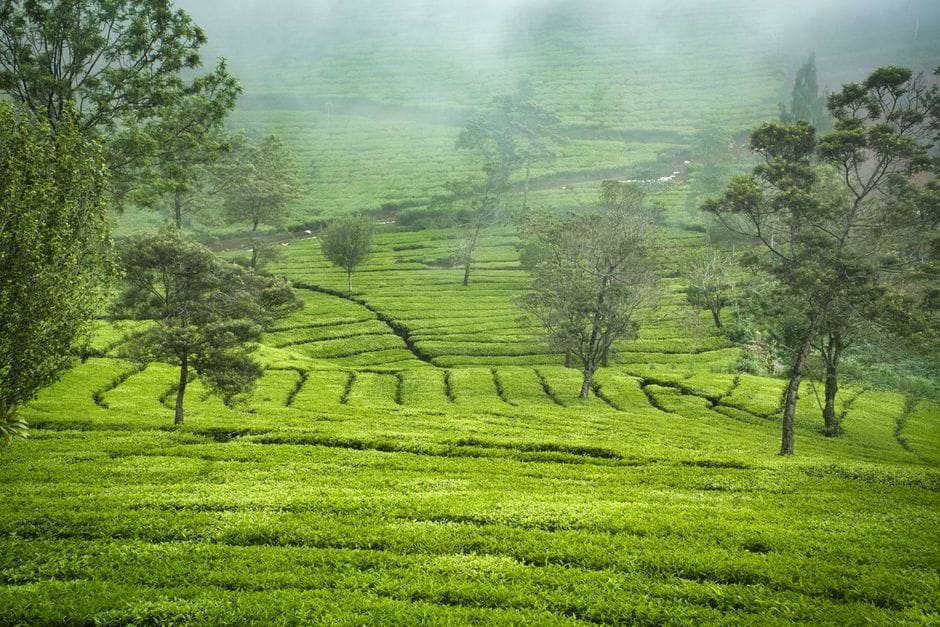
When the sky opens, Sri Lanka’s rich heritage steps into the spotlight. Museums, spice gardens, and tea factories offer shelter and insight. The Colombo National Museum showcases ancient relics, while a guided tour of a tea estate in Kandy’s hill country includes a walk through covered processing rooms and a tasting session for about LKR 1,500 (about US$5). These indoor activities not only keep you dry but also deepen your connection to the island’s history and flavors.
6. Opt for Accommodations with Power Backup and Covered Patios
Monsoon storms can trigger brief power outages, especially in coastal resorts. Choose hotels or guesthouses that advertise 24‑hour generator backup and have covered verandas or indoor lounges. In Galle Fort, many boutique stays feature cosy courtyards where you can sip Ceylon tea while listening to rain on the tiled roofs. A modest room with backup power typically costs LKR 7,000–12,000 (about US$23–40) per night, offering peace of mind without breaking the budget.
7. Use Reliable Transportation and Allow Extra Travel Time
Rain can slow down trains and make mountain roads slick. Reserve hill-country train seats in advance (reservations open 30 days ahead) and be prepared for delays. Note: as of October 2026 there is no through train between Kandy and Ella while the line between Kandy and Nanu Oya is repaired; trains run between Nanu Oya and Ella, so travel to Nanu Oya by road and check Sri Lanka Railways before you go. For road trips, hire a driver familiar with local routes; they can navigate detours around landslide‑prone sections near Hatton or Nuwara Eliya. Adding a 15‑minute buffer to each leg of your journey reduces stress and ensures you still reach sunset viewpoints on time.
8. Protect Your Electronics with Waterproof Bags
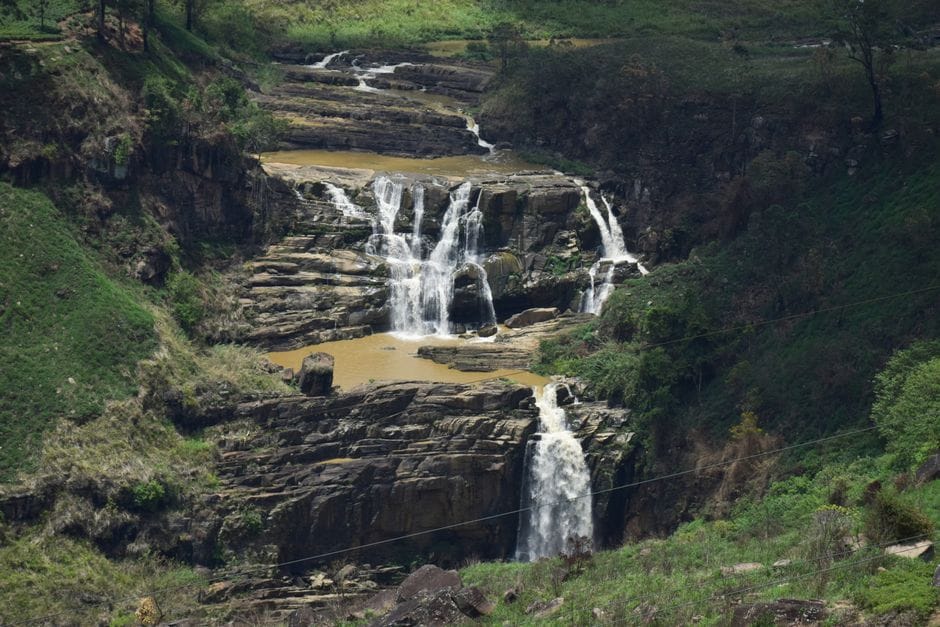
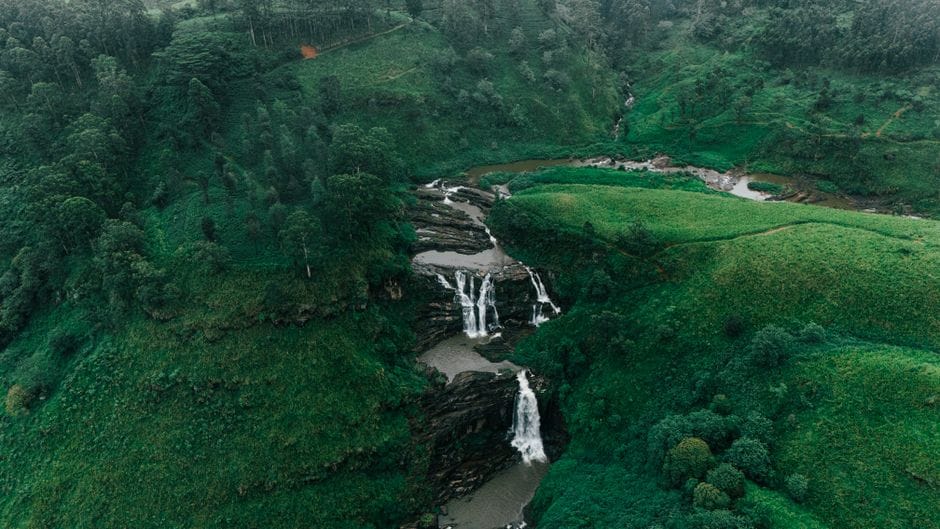
Humidity combined with rain can damage cameras, phones, and chargers. Invest in zip‑lock dry bags (LKR 500, about US$2) or waterproof pouches for your gadgets. Keep a microfiber cloth handy to wipe away moisture and prevent fogging on lenses during sudden showers. This simple step saves you from costly repairs and lets you capture the misty beauty of waterfalls like Ravana Falls in the rain.
9. Pack Insect Repellent and Light Rain‑Proof Footwear
Monsoon humidity fuels mosquito activity, especially around stagnant water near rice paddies in Trincomalee or the low‑lying wetlands of Jaffna. Apply a DEET‑based repellent (LKR 300, about US$1) each evening and wear ankle‑high shoes that dry quickly. Sandals with rubber soles provide traction on slippery stone steps at places like the Dambulla Cave Temple, while also allowing your feet to breathe after a day of trekking in the mist.
10. Sample Warm, Comforting Sri Lankan Cuisine
Rainy days are perfect for enjoying hearty Sri Lankan dishes. Order a steaming bowl of “kiri hodi” (coconut milk curry) with rice, or a plate of “hoppers” (appa) with spicy sambol at a roadside eatery in Kandy. Warm food not only comforts you after a wet trek but also helps maintain energy levels in the humid climate.
11. Stay Hydrated and Guard Against Heat Exhaustion
Even under cloud cover, Sri Lanka’s humidity can feel oppressive. Carry a reusable water bottle and refill it from filtered water at your hotel or guesthouse. Adding a pinch of salt or a splash of lime improves electrolyte balance. Avoid excessive caffeine or alcohol, which can increase dehydration risk during long rainy days spent outdoors.
12. Respect Local Safety Guidelines During Floods and Landslides
When heavy rain threatens flash floods or landslides—common in the central highlands—follow local authority instructions without hesitation. Avoid crossing swollen rivers, especially near the Mahaweli basin, and stay on designated bridges. Hotels often issue evacuation notices; keep your passport, essential meds, and a small emergency kit (flashlight, dry snacks, first‑aid supplies) ready. Your safety is the top priority, and adhering to guidance ensures a smooth return to dry conditions.
Quick Checklist
- Waterproof jacket, poncho, and sturdy umbrella
- Quick‑dry clothing and moisture‑resistant shoes
- Real‑time weather app installed and notifications on
- Dry bags for electronics and important documents
- Insect repellent and light rain‑proof footwear
- Reusable water bottle and electrolyte salts
FAQ
Which coast is dry during the southwest monsoon?
From May to September, the east coast—including Trincomalee, Pasikudah, and Arugam Bay—remains largely dry, offering sunny beaches while the southwest (Colombo, Galle, Mirissa) experiences rain.
Can I still see wildlife in Yala National Park during the rains?
Yes. Although some waterholes may flood, animals often gather near remaining dry spots, making wildlife spotting possible. Early‑morning game drives are best, and park entry for foreign adults is about US$25 plus 18% tax.
How much rain should I expect in Kandy during the inter‑monsoon months?
During March–April and October–November, Kandy often gets heavy afternoon showers, while mornings tend to be drier. Planning indoor activities for afternoons works well.
Are there any safety concerns for surfing at Arugam Bay in July?
July falls within the southwest monsoon, which brings calm seas to the east coast. Surf conditions are generally safe, but always check local surf reports and heed any warnings about sudden swells.
What indoor attractions are ideal for a rainy day in Colombo?
The National Museum, the Dutch Hospital Shopping Precinct, and the Colombo City Centre mall provide cultural insight and shelter. Each offers air‑conditioned spaces and affordable entry fees.
How can I avoid road closures in the hill country?
Monitor the Sri Lanka Road Authority’s website or ask your driver for the latest landslide advisories. Keeping a flexible itinerary and allowing extra travel time helps you bypass unexpected closures.
Final Thoughts
Traveling Sri Lanka during the monsoon season rewards the prepared with lush landscapes, fewer crowds, and authentic local experiences. By packing wisely, aligning your route with the prevailing rains, and staying adaptable, you turn every drizzle into a chance to discover hidden waterfalls, savor steaming meals, and connect with the island’s resilient spirit. Embrace the rain, follow these tips, and let Sri Lanka’s monsoon magic create unforgettable memories.


