


Introduction
Sri Lanka’s leopards glide through mist‑laden forests and sun‑baked savannas, offering a rare glimpse of one of the world’s most secretive big cats. Travelers who chase these shadows often wonder when, where, and how to turn a fleeting rustle into a clear sighting. This guide walks you through every detail—from securing permits to reading fresh paw prints—so you can plan a confident, ethical safari that maximizes your odds without compromising safety.
Quick answer: Book a licensed guide for Yala (Dec‑Aug) or Wilpattu (May‑Sept), join a full‑day early‑morning safari, keep quiet, stay in the vehicle, and focus on waterholes and known rest spots.
What You'll Need
- Valid passport with at least six months validity
- Sri Lanka ETA, applied for online at eta.gov.lk before you fly (free for 40 nationalities since May 2026, about US$50 for most others)
- Money for park entry (foreign adults pay about US$25 plus 18% tax per park, in USD or LKR) and for the jeep and tracker
- Safari‑approved 4WD vehicle (booked through a licensed operator)
- Light, breathable clothing, sturdy hiking shoes, and a wide‑brim hat
- Binoculars (8×42 minimum) and a DSLR with telephoto lens (300 mm+ recommended)
- Insect repellent, sunscreen, and a reusable water bottle
Step 1: Choose the Right Park and Season
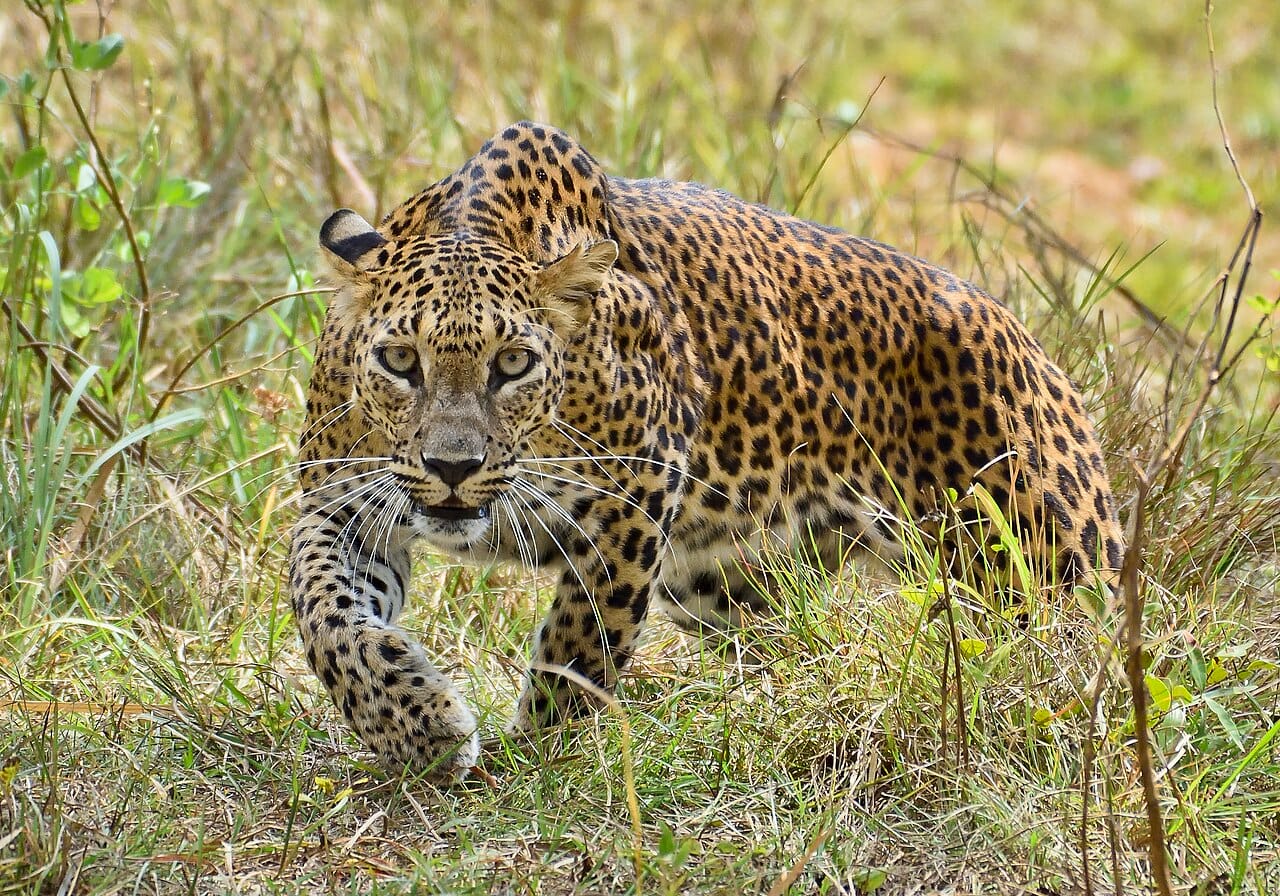
Leopards concentrate where prey and water intersect. Yala National Park boasts the highest global leopard density, thriving between December and August when foliage is thin enough for clear visibility. Wilpattu’s network of 18 natural lakes draws cats to its dry‑season waterholes from May to early September. Horton Plains offers rare sightings at higher altitude, best visited in the cooler months of January‑April with a knowledgeable guide. Check the Sri Lanka Department of Wildlife Conservation website for real‑time park closures (usually September‑October for Yala).
Step 2: Book a Licensed Guide and Vehicle
Only licensed guides may enter the parks, and they must drive approved 4WD jeeps equipped with radio communication. Contact reputable operators. Jeep prices vary by operator, group size and half-day or full-day booking, so confirm exactly what is included (jeep, tracker, entry tickets) before you pay. Confirm that the guide holds a current National Park Permit and can read fresh pugmarks, a skill that dramatically improves sighting odds.
Step 3: Secure Park Entry Permits
Entry permits are purchased at the park gate or online via the Department of Wildlife Conservation portal. Foreign adults pay about US$25 plus 18% tax per entry; Sri Lankan residents pay much less. Ticket counters open at 6 am and stop selling at 4 pm, and every vehicle must leave the park by 6 pm. Print the confirmation and keep a digital copy on your phone.
Step 4: Plan Your Safari Timing
Leopards are crepuscular—most active at dawn (05:30‑07:30) and dusk (16:30‑18:30). Book a full‑day safari that starts early, includes a mid‑day break for lunch, and returns for a second peak‑hour drive. A half‑day morning safari (3‑4 hours) works if you have limited time, but your odds are lower than on a full-day safari, which covers both the dawn and late-afternoon activity peaks.
Step 5: Arrive at the Park Gate Early
Aim to be at the gate 30 minutes before the scheduled start. This allows time for ticket verification, vehicle inspection, and a brief safety briefing. Guides will distribute safari etiquette cards—keep them handy. The gate for Yala Block 1 is near Tissamaharama (≈ 220 km from Colombo, 4‑hour drive). Wilpattu’s main entrance lies near Anuradhapura (≈ 210 km, 3.5‑hour drive).
Step 6: Observe Ethical Viewing Practices
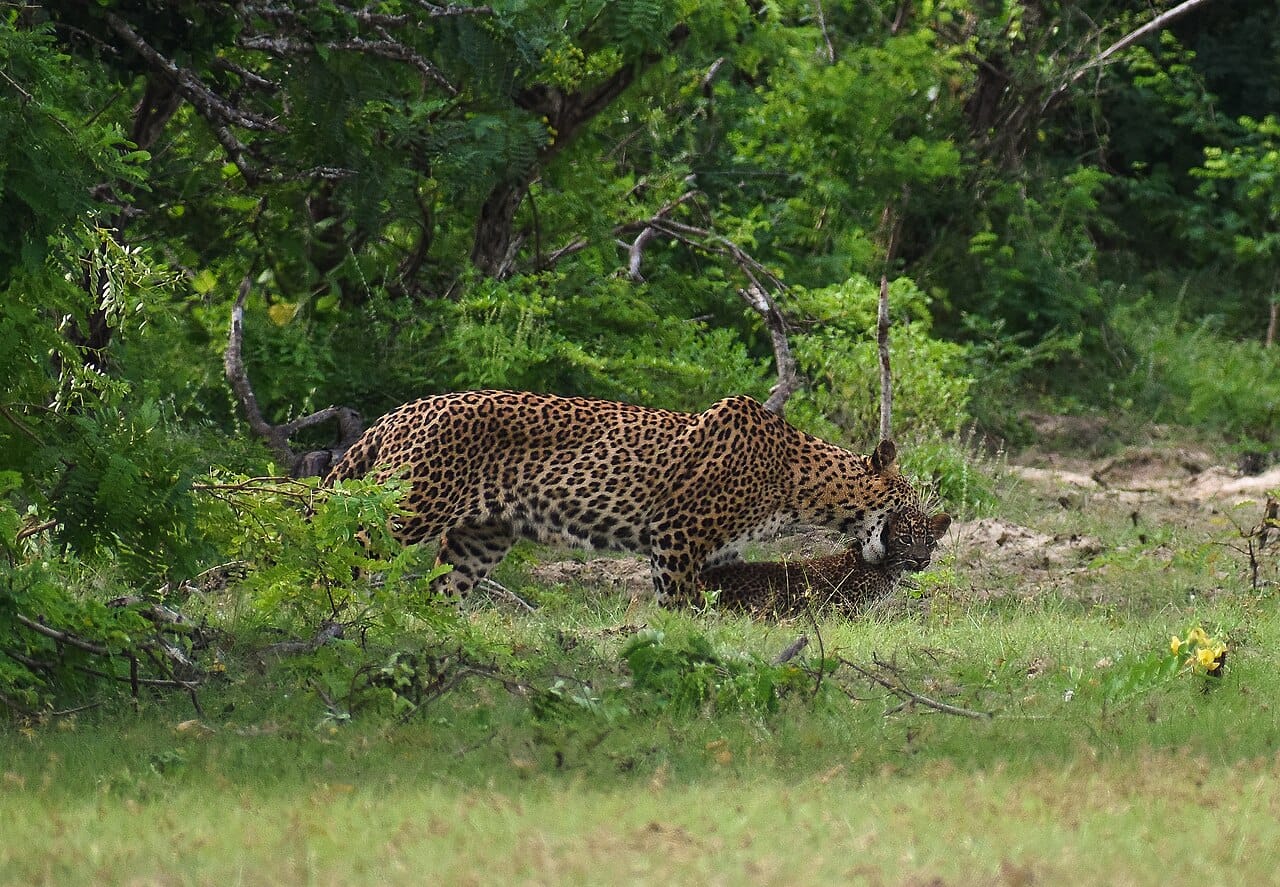
Once inside, remain seated, keep the engine off when waiting near waterholes, and avoid flash photography. Sudden movements or loud chatter can spook a leopard, sending it back into the scrub. If you spot fresh pugmarks, ask the guide to mark the trail; this helps the team predict the cat’s next move. Remember: the leopard decides the encounter, not the driver.
Step 7: Record and Respect the Moment
When a leopard appears, use a silent shutter mode or a fast burst to capture motion without disturbing the animal. Note the time, location, and behavior in a field notebook—this data aids conservation researchers. After the sighting, thank the guide and refrain from lingering; give the cat space to retreat naturally.
Step 8: Extend Your Chances with Multi‑Day Visits
Leopard sightings are probabilistic. Spending two consecutive days in the same block raises your chances considerably. Book the same guide for continuity; they will track scent marks and adjust routes accordingly.
Step 9: Share Your Experience Responsibly
Post photos on social media with the hashtag #SriLankaLeopard and tag the guide’s company. This promotes responsible tourism and supports park‑level funding. Avoid sharing exact GPS coordinates of resting spots to protect the cats from poachers.
Pro Tips
- Early Arrival: Arriving 45 minutes before sunrise gives you the first light advantage at waterholes.
- No night drives inside the parks: National parks close at 6 pm. Some operators run night drives in the Yala buffer zone, but leopard sightings there are rare.
- Pack Light Snacks: Energy bars and nuts keep you focused; avoid strong-smelling food that may attract stray dogs.
- Use a Spotting Scope: A 20‑30× scope reveals distant movement without needing to approach.
- Check Weather Forecast: Clear skies improve visibility; a light drizzle can actually concentrate animals at fewer water sources.
- Learn Basic Sinhala Phrases: “Paw‑mark” = pahasu; saying “thank you” (istuti) earns goodwill from local drivers.
Common Mistakes to Avoid
- Leaving the Vehicle: It is illegal and dangerous; you risk injury and wildlife disturbance.
- Using Flash Photography: Startles leopards and may cause them to flee permanently.
- Skipping the Guide Fee: Unlicensed drivers lack the knowledge to read signs and may lead you off‑track.
- Driving Too Fast: Bumps can scare animals and damage the fragile park roads.
- Ignoring Waterhole Signs: Fresh pugmarks near a tank are the best indicators of recent activity.
FAQ
When is the best month to see leopards in Yala?
The optimal window is December through August, with peak sightings in March‑May when vegetation thins and leopards patrol open scrub.
Do I need a special permit to photograph leopards?
No separate permit is required beyond the standard park entry fee, but you must follow the park’s photography rules: no flash, no close‑up shots (< 5 m), and always stay inside the vehicle.
Can I join a group safari instead of a private one?
Yes. Shared safaris split the jeep cost between passengers and still include a licensed tracker, though park entry is paid per person. However, private tours offer more flexibility in route selection and timing.
How much should I budget for a full‑day leopard safari?
Park entry alone is about US$30 per foreign adult including tax. Add the jeep and tracker, which vary by operator and group size, plus food and water, and get a written quote that lists everything included.
Are leopards safe to view from the vehicle?
Absolutely. Leopards are accustomed to 4WD jeeps and will usually pause to assess the vehicle before moving on. Staying seated and silent ensures safety for both parties.
What signs indicate a leopard is nearby?
Fresh pugmarks in soft sand, scratch marks on trees, and recent kill sites (scattered bones) all suggest recent activity. Guides use these clues to position the jeep strategically.
Final Thoughts
Seeing a Sri Lankan leopard is a blend of timing, preparation, and reverence for the wild. By following this step‑by‑step guide—choosing the right park, hiring a licensed guide, respecting ethical viewing, and staying patient—you turn a distant legend into a tangible, unforgettable moment. Pack your binoculars, keep your heart quiet, and let the jungle reveal its secret.


