


Introduction
Sri Lanka’s misty highlands hide some of the world’s most aromatic tea, and stepping inside a working tea factory lets you see that magic unfold. Whether you’re trekking from Kandy, chasing the sunrise over Ella, or adding a stop after a Yala safari, a factory tour blends history, nature and flavor in a single unforgettable hour. You’ll watch fresh leaves transform into the amber brew you love, meet the people who pick them, and leave with a souvenir that tastes like the hills themselves.
Quick answer: Book a guided tour at Halpe Tea Plantation (Ella), Blue Field Tea Factory (Ramboda) or another hill‑country estate, arrive early, join the field walk, watch the production line, and finish with a tasting—usually a 1‑2 hour experience costing about $10 USD (≈ 3,600 LKR).
What You'll Need
- Passport (for foreign visitors) or National ID (Sri Lankan citizens)
- Reliable internet connection or the PickMe and Trip.com apps for transport bookings
- Cash in LKR for the tour fee (around US$10 per adult at Uva Halpewatte) and for tea to take home
- Light rain jacket, sturdy walking shoes, and a hat for sun protection
- 2–3 hours of free time, plus travel time to the factory location
Step 1: Choose the Right Factory and Season
The first decision shapes everything else. Halpe Tea Plantation near Ella, Blue Field near Nuwara Eliya, and the historic Geragama factory west of Kandy all offer daily tours, but the best season varies. January‑April and July‑September provide dry, cool weather and full‑scale production, especially in Uva (Ella) and Central Province (Kandy, Nuwara Eliya). Check each estate’s latest opening hours before you go; many, including Uva Halpewatte, run tours from about 8 am to 4:30 pm.
Step 2: Book Your Spot Online or Via WhatsApp
Most hill-country factories take walk-in visitors, but contact the estate in advance during busy months. Uva Halpewatte near Ella runs guided tours daily from 8 am to 4:30 pm; each tour takes 40 minutes to an hour and costs around US$10 per adult. If you prefer a platform, use Trip.com to reserve a “Tea Factory Tour” package that often includes hotel pickup. Secure your reservation at least 48 hours in advance during peak months to avoid sold‑out mornings.
Step 3: Arrange Transport to the Factory
From Kandy, buses run to Ella but are slow. Note: as of October 2026 there is no through train between Kandy and Ella while the line between Kandy and Nanu Oya is repaired; trains run between Nanu Oya and Ella, so travel to Nanu Oya by road and check Sri Lanka Railways before you go. A private car with driver is faster and more comfortable; agree the full price before you set off. From Ella town, a tuk-tuk to Uva Halpewatte takes about 20–30 minutes. If you’re staying in Nuwara Eliya, a local tuk‑tuk to Blue Field costs around 800 LKR and takes 20 minutes on winding mountain roads. Always confirm the driver knows the exact address: “Halpe Tea Plantation, 6 km from Ella, Uva.”
Step 4: Arrive Early and Register
Show up at least 15 minutes before your scheduled slot. A small reception desk will ask for your ID and collect the tour fee. You’ll receive a badge, a brief safety briefing, and a reusable tea‑leaf basket if you plan to pluck leaves. Guides usually speak English and Sinhala; some factories also offer Tamil translators on request. Early arrival ensures you catch the morning withering stage, when fresh leaves are still moist and the factory hums with activity.
Step 5: Join the Field Walk and Learn Plucking Techniques
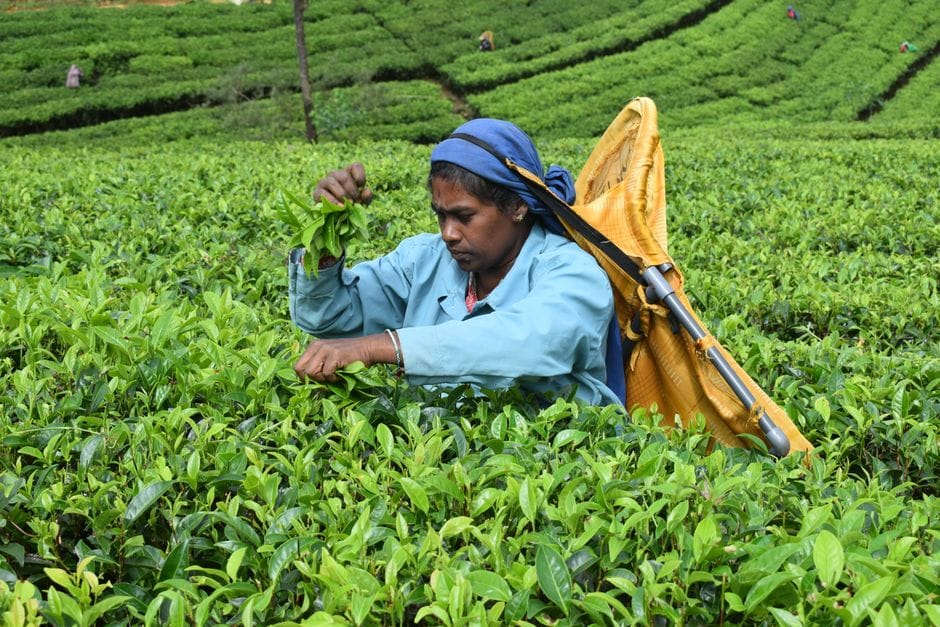
Your guide leads a 30‑minute walk through terraced tea bushes, explaining how the “second flush” (July‑September) yields brighter, brisker flavors. You’ll learn to identify the top two leaves and a bud—the prized “three‑leaf‑and‑bud” combo—and practice gentle plucking with your basket. Most estates let you keep a handful of leaves as a souvenir; just remember they’ll wilt quickly, so consider drying them at home.
Step 6: Tour the Production Line Inside the Factory
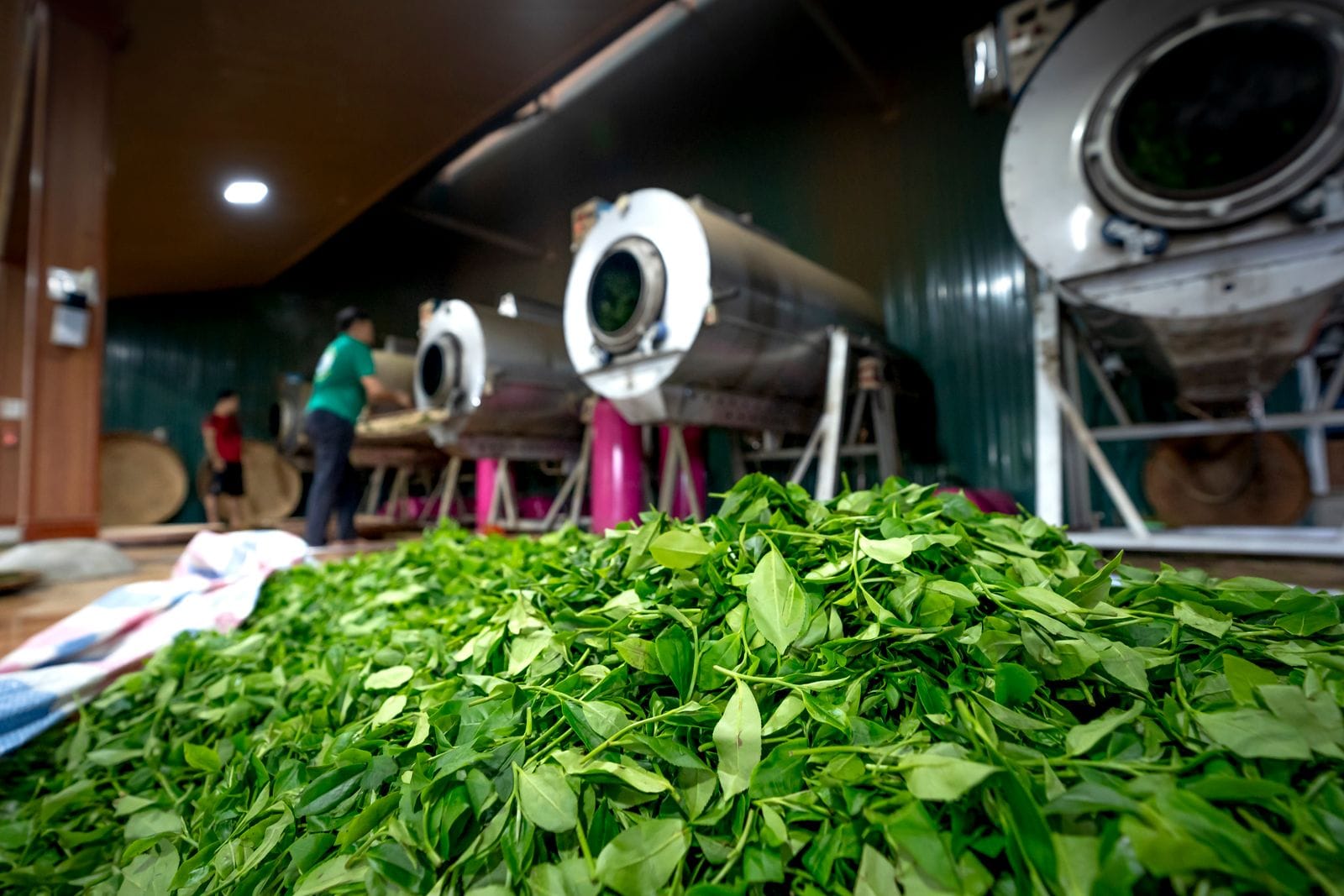
After the walk, the group enters the factory to witness the five core steps: withering, rolling, fermenting (oxidation), drying, and grading. The withering room feels like a giant, airy loft where leaves lose moisture for 12–18 hours. Rolling machines crush the leaves, releasing enzymes that start oxidation—watch the workers monitor colour changes like a chef watching a sauce thicken. The dryer (often a large furnace) blasts hot air at 80‑90 °C for 20 minutes, locking in flavor. Guides point out quality‑control stations where leaves are sorted into grades such as “BOP” (Broken Orange Pekoe).
Step 7: Participate in a Guided Tasting Session
The tour concludes with a tasting table stocked with three to five teas: a robust black, a fragrant green, and a delicate white or “silver tip.” Your guide pours hot water (≈ 80 °C for green, 95 °C for black) into porcelain cups, then walks you through aroma, body, and finish. You’ll learn to identify notes of citrus, malt, or honey—skills you can brag about back home. Most factories let you purchase the tasted teas at a 10 % discount; a 250 g pack of estate‑fresh black tea costs about 2,200 LKR (about $7).
Pro Tips
- Book a morning slot: Early tours capture the full production cycle before the afternoon lull.
- Carry a reusable water bottle: Factories often provide filtered water for tasting, but staying hydrated helps on the hill walk.
- Dress in layers: Temperatures swing from 15 °C in the fields to 25 °C inside the factory.
- Bring a small camera: Flash is prohibited in the withering room, but you can snap the rolling machines and scenic viewpoints.
- Ask about extended tastings: Some estates offer longer tasting or blending sessions for an extra fee; ask at the counter.
- Tip the guide: A modest 500 LKR tip is appreciated for personalized attention.
Common Mistakes to Avoid
- Skipping the pre‑tour safety briefing: You might miss important shoe‑sole warnings near the dryer.
- Visiting during the rainy monsoon (May‑June): Roads become slippery and some factories pause production.
- Assuming all factories are the same: Each estate has unique processing methods; research before you book.
- Leaving cash at the hotel: Most small factories accept only cash, and credit cards are rare.
- Forgetting sunscreen: Even on cloudy days, UV reflects off the tea bushes.
FAQ
What is the typical cost of a tea factory tour in Sri Lanka?
A standard tour takes 40 minutes to an hour and costs around US$10 per adult. Children under 12 usually pay half. Masterclass upgrades or private tours can add 1,500–3,000 LKR.
Can I bring my own camera inside the factory?
Yes, but flash is prohibited in the withering and drying rooms for safety. Most estates allow photography of machinery and scenery, so keep the shutter silent.
How long does a full visit, including travel, take?
From a hotel in Ella, allocate 2 hours for transport (round‑trip) plus 1.5 hours for the tour itself. From Kandy, expect a full day (6‑7 hours) due to the longer drive.
Are English‑speaking guides available at all factories?
Major factories like Halpe, Blue Field, and Geragama provide English guides. Smaller estates may only have Sinhala or Tamil speakers, so request an English guide when you book.
Is it possible to buy tea directly from the factory?
Absolutely. Most factories have a small shop where you can purchase freshly processed tea at factory prices, often 10 % cheaper than retail.
What should I wear for the field walk?
Wear sturdy, closed‑toe shoes, breathable layers, a hat, and a light rain jacket. Avoid sandals and skirts that could get caught in the bushes.
Do I need a visa to visit a tea factory in Sri Lanka?
If you’re a foreign tourist, you already need a visa to enter Sri Lanka. The factory visit itself does not require a special permit.
Final Thoughts
Visiting a tea factory in Sri Lanka turns a simple cup of tea into a living story of climate, labor, and tradition. By choosing the right season, booking ahead, and following these step‑by‑step instructions, you’ll walk through emerald hills, watch centuries‑old machinery, and taste teas that haven’t yet left the estate. The experience enriches any itinerary—whether you’re trekking from Kandy, exploring Ella’s waterfalls, or winding down after a Yala safari. So pack your basket, bring curiosity, and let Sri Lanka’s tea country brew a memory you’ll savor forever.


