
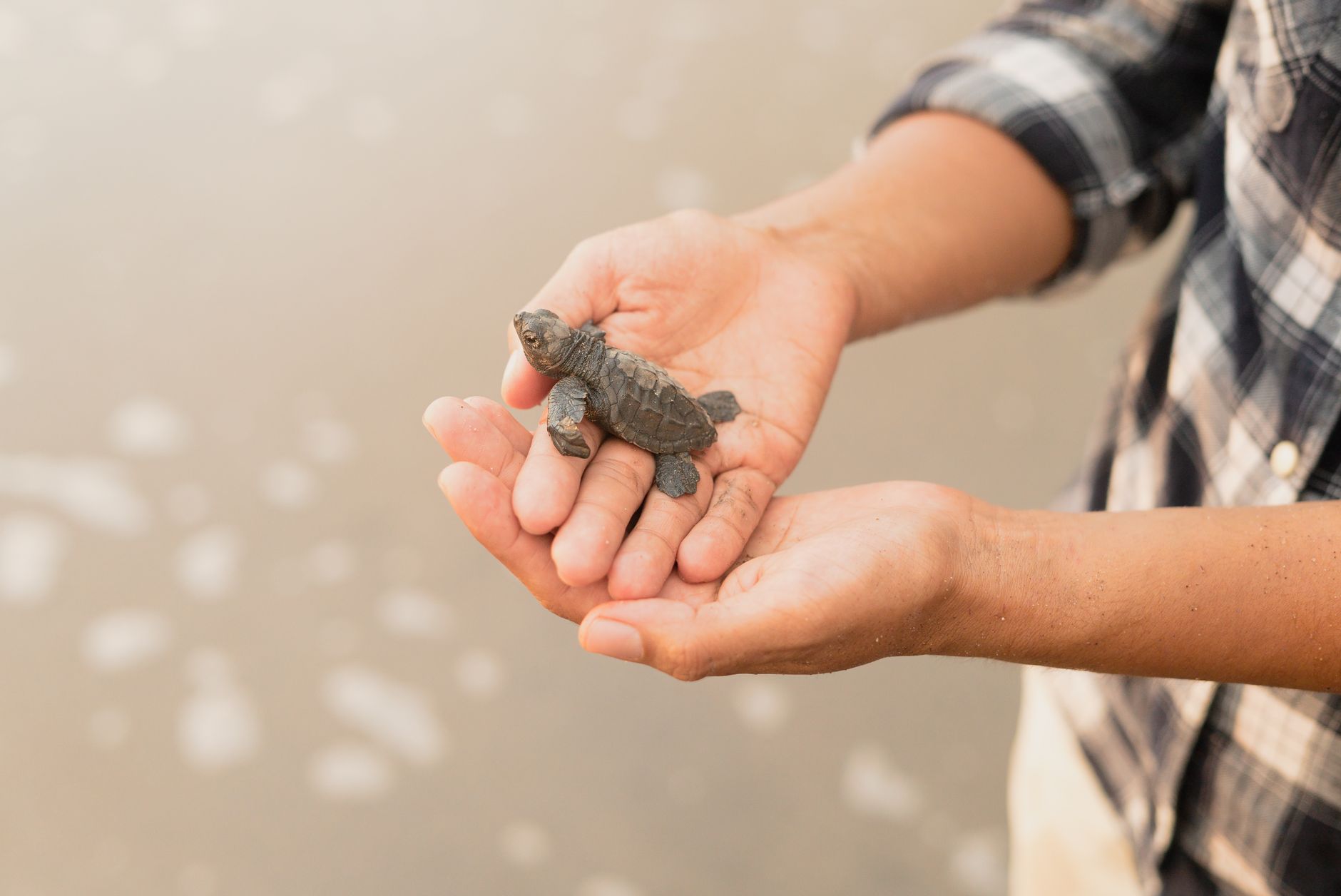
Releasing baby turtles in Sri Lanka is a unique experience, allowing visitors to support conservation efforts and witness the beauty of these creatures up close.
Introduction To Releasing Baby Turtles
Releasing baby turtles in Sri Lanka is a unique experience, allowing visitors to support conservation efforts and witness the beauty of these creatures up close. The island nation is home to several species of turtles, including Green Turtles, Leatherbacks, Olive Ridleys, Hawksbills, and Loggerheads. To ensure the survival of these species, conservation centers and projects have been established to protect nesting sites, rescue injured turtles, and educate local communities. One of the most exciting experiences for visitors is the opportunity to release baby turtles into the ocean, providing them with a safe start in life. The Kosgoda Turtle Hatchery, located on the southwest coast, is one of the most famous conservation centers, where visitors can learn about turtle species, witness baby turtles hatching, and participate in releasing them into the ocean.
Best Places To Release Baby Turtles
The best places to release baby turtles in Sri Lanka include the Kosgoda Turtle Hatchery, the Rekawa Turtle Sanctuary, and the Sri Lanka Coast Guard Turtle Conservation Project in Mirissa. The Kosgoda Turtle Hatchery is a must-visit destination for anyone interested in turtle conservation, offering a unique opportunity to learn about turtle species, witness baby turtles hatching, and participate in releasing them into the ocean. The Rekawa Turtle Sanctuary, located near Tangalle, offers a nighttime experience of watching turtles nest under moonlight, providing a magical and educational experience. The Sri Lanka Coast Guard Turtle Conservation Project in Mirissa is another excellent location, where visitors can release baby turtles into the ocean and support conservation efforts.
How To Release Baby Turtles
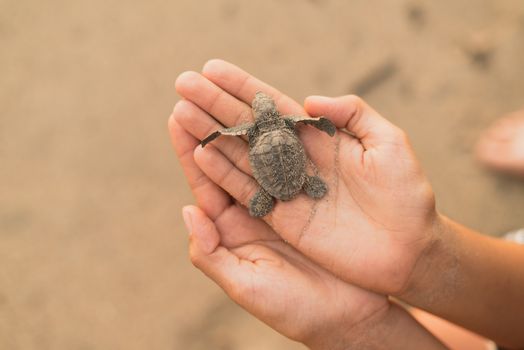
To release baby turtles in Sri Lanka, visitors can participate in guided tours and conservation projects. The Kosgoda Turtle Hatchery offers a unique experience, where visitors can learn about turtle species, witness baby turtles hatching, and participate in releasing them into the ocean. The Rekawa Turtle Sanctuary provides a nighttime experience of watching turtles nest under moonlight, and visitors can also participate in releasing baby turtles into the ocean. The Sri Lanka Coast Guard Turtle Conservation Project in Mirissa is another excellent location, where visitors can release baby turtles into the ocean and support conservation efforts. It is essential to follow guidelines and instructions provided by conservation centers and projects to ensure the safe release of baby turtles.
Benefits Of Releasing Baby Turtles
Releasing baby turtles in Sri Lanka provides several benefits, including supporting conservation efforts, educating local communities, and promoting sustainable tourism. By participating in guided tours and conservation projects, visitors can learn about turtle species, witness baby turtles hatching, and participate in releasing them into the ocean. This experience not only supports conservation efforts but also promotes sustainable tourism, providing economic benefits to local communities. Additionally, releasing baby turtles helps to increase their chances of survival, providing them with a safe start in life.
Challenges Facing Turtle Conservation
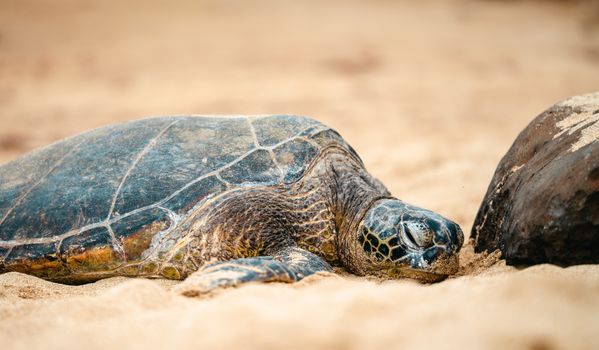
Turtle conservation in Sri Lanka faces several challenges, including habitat loss, pollution, and illegal poaching. The destruction of nesting sites and habitats has reduced the number of turtles in Sri Lanka, making conservation efforts essential to protect these species. Pollution, including plastic waste, has also had a significant impact on turtle populations, causing injury and death. Illegal poaching of turtles and their eggs is another significant challenge, highlighting the need for conservation efforts and education programs to protect these species.
Conservation Efforts In Sri Lanka
Conservation efforts in Sri Lanka are focused on protecting nesting sites, rescuing injured turtles, and educating local communities. The Kosgoda Turtle Hatchery, the Rekawa Turtle Sanctuary, and the Sri Lanka Coast Guard Turtle Conservation Project in Mirissa are just a few examples of conservation centers and projects working to protect turtle species. These efforts include guided tours, education programs, and community-based conservation initiatives, providing a safe and sustainable environment for turtles to thrive. By supporting conservation efforts, visitors can play a crucial role in protecting turtle species and promoting sustainable tourism in Sri Lanka.
Community-Based Conservation Initiatives
Community-based conservation initiatives are essential for protecting turtle species in Sri Lanka. The Rekawa Turtle Sanctuary, for example, provides a unique experience for visitors, allowing them to watch turtles nest under moonlight and participate in releasing baby turtles into the ocean. This sanctuary is a haven for those keen on sustainable tourism, offering guided tours that ensure minimal disturbance to the turtles. The Sri Lanka Coast Guard Turtle Conservation Project in Mirissa is another excellent example, where visitors can release baby turtles into the ocean and support conservation efforts. By supporting community-based conservation initiatives, visitors can play a crucial role in protecting turtle species and promoting sustainable tourism in Sri Lanka.
Frequently Asked Questions
What is the best time to visit turtle conservation centers in Sri Lanka?
The ideal time to visit turtle conservation centers is between November and April, during the nesting season. Night tours to observe turtle nesting are often available, offering a magical and educational experience.
How can I participate in releasing baby turtles in Sri Lanka?
Visitors can participate in guided tours and conservation projects, such as the Kosgoda Turtle Hatchery, the Rekawa Turtle Sanctuary, and the Sri Lanka Coast Guard Turtle Conservation Project in Mirissa.
What are the benefits of releasing baby turtles in Sri Lanka?
Releasing baby turtles provides several benefits, including supporting conservation efforts, educating local communities, and promoting sustainable tourism. By participating in guided tours and conservation projects, visitors can learn about turtle species, witness baby turtles hatching, and participate in releasing them into the ocean.
What are the challenges facing turtle conservation in Sri Lanka?
Turtle conservation in Sri Lanka faces several challenges, including habitat loss, pollution, and illegal poaching. The destruction of nesting sites and habitats has reduced the number of turtles in Sri Lanka, making conservation efforts essential to protect these species.
How can I support conservation efforts in Sri Lanka?
Visitors can support conservation efforts by participating in guided tours and conservation projects, such as the Kosgoda Turtle Hatchery, the Rekawa Turtle Sanctuary, and the Sri Lanka Coast Guard Turtle Conservation Project in Mirissa. By supporting conservation efforts, visitors can play a crucial role in protecting turtle species and promoting sustainable tourism in Sri Lanka.
What is the role of community-based conservation initiatives in protecting turtle species?
Community-based conservation initiatives are essential for protecting turtle species in Sri Lanka. These initiatives provide a unique experience for visitors, allowing them to watch turtles nest under moonlight and participate in releasing baby turtles into the ocean. By supporting community-based conservation initiatives, visitors can play a crucial role in protecting turtle species and promoting sustainable tourism in Sri Lanka.
How can I get involved in turtle conservation volunteer programs in Sri Lanka?
Visitors can get involved in turtle conservation volunteer programs in Sri Lanka by contacting local conservation centers and projects, such as the Kosgoda Turtle Hatchery, the Rekawa Turtle Sanctuary, and the Sri Lanka Coast Guard Turtle Conservation Project in Mirissa. These programs provide a unique opportunity for visitors to participate in conservation efforts and learn about turtle species.
Conclusion
Releasing baby turtles in Sri Lanka is a unique experience, allowing visitors to support conservation efforts and witness the beauty of these creatures up close. The island nation is home to several species of turtles, including Green Turtles, Leatherbacks, Olive Ridleys, Hawksbills, and Loggerheads. By participating in guided tours and conservation projects, visitors can learn about turtle species, witness baby turtles hatching, and participate in releasing them into the ocean. The Kosgoda Turtle Hatchery, the Rekawa Turtle Sanctuary, and the Sri Lanka Coast Guard Turtle Conservation Project in Mirissa are just a few examples of conservation centers and projects working to protect turtle species. By supporting conservation efforts, visitors can play a crucial role in protecting turtle species and promoting sustainable tourism in Sri Lanka.