

Introduction to the world of surfing in Sri Lanka is an experience like no other. With its stunning beaches, vibrant culture, and consistent waves, this island nation has become a paradise for surfers of all levels. However, for beginners, the thought of diving under waves can be daunting. This is where the 12 second rule comes in - a technique that advises surfers to hold their breath for 12 seconds to build confidence when navigating the powerful waves. In this article, we will delve into the world of surfing in Sri Lanka, explore the best surf spots, and provide tips on how to make the most of your surfing experience.
Understanding The 12 Second Rule
The 12 second rule is a simple yet effective technique that helps surfers build confidence when diving under waves. By holding their breath for 12 seconds, surfers can learn to relax and focus on their technique, rather than panicking when faced with a large wave. This rule is not just limited to surfing, but can also be applied to other water sports, such as snorkeling or scuba diving. To practice the 12 second rule, simply hold your breath for 12 seconds, then exhale and inhale, and repeat the process. This will help you build up your lung capacity and increase your confidence in the water.
Exploring Sri Lanka's Surf Spots
Sri Lanka is home to a wide range of surf spots, each with its own unique character and challenges. From the beginner-friendly waves of Weligama to the more advanced breaks of Arugam Bay, there's something for every surfer in Sri Lanka. The southwest coast, which includes spots like Hikkaduwa, Mirissa, and Unawatuna, is best surfed from November to April, while the east coast, which includes Arugam Bay and Trincomalee, is best surfed from May to October. Whether you're a beginner or an experienced surfer, Sri Lanka has a surf spot that's sure to challenge and inspire you.
Best Time To Surf In Sri Lanka
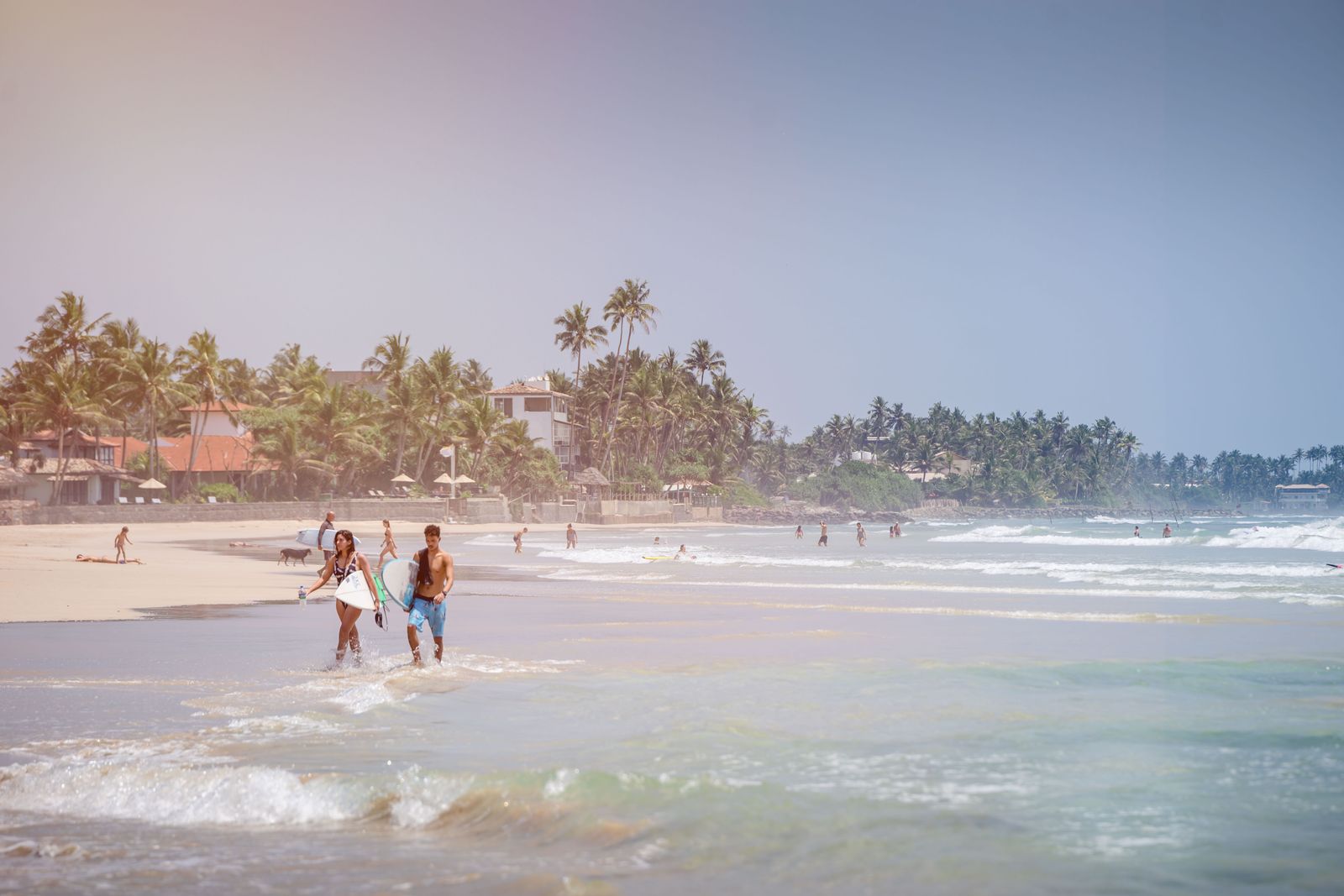
The best time to surf in Sri Lanka depends on the coast you're on. The southwest coast, which includes spots like Hikkaduwa and Weligama, is best surfed from November to April, when the waves are consistent and the winds are light. The east coast, which includes spots like Arugam Bay and Trincomalee, is best surfed from May to October, when the waves are at their biggest and most consistent. However, it's worth noting that Sri Lanka is a year-round surfing destination, and there are always waves to be found somewhere on the island.
Surfing Etiquette In Sri Lanka
When surfing in Sri Lanka, it's essential to respect the local culture and customs. This means being mindful of your surroundings, respecting the environment, and being courteous to other surfers and locals. Some basic rules to follow include always wearing a rash vest or surf hat to protect yourself from the sun, never surfing alone, especially at remote breaks, and always being mindful of your impact on the environment. By following these simple rules, you can help ensure that your surfing experience in Sri Lanka is both enjoyable and sustainable.
Tips For Beginners
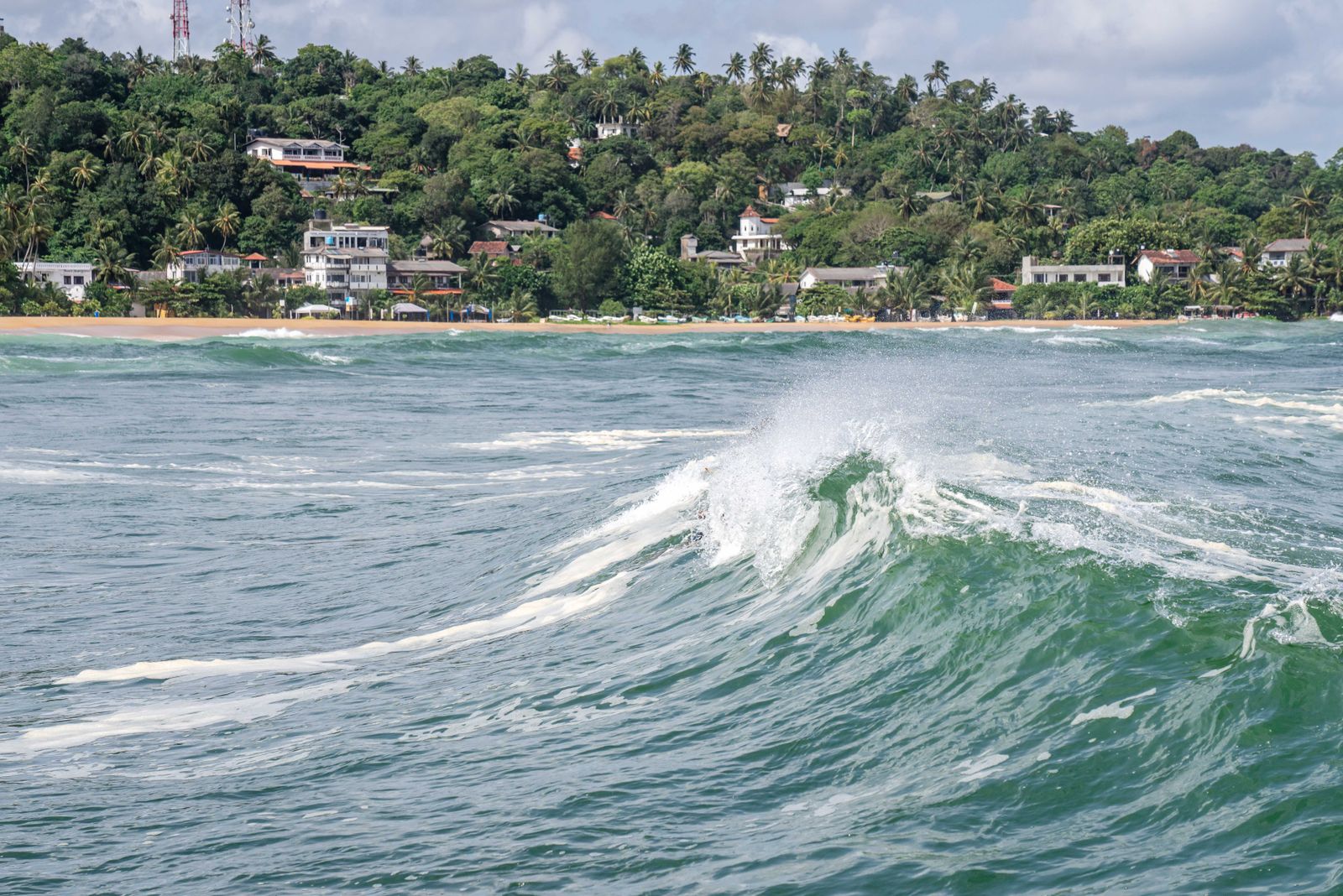
For beginners, surfing in Sri Lanka can be a daunting experience. However, with the right guidance and equipment, anyone can learn to surf. Some tips for beginners include starting with a soft-top surfboard, which is easier to balance on and less likely to cause injury, taking lessons from a qualified instructor, who can teach you the basics of surfing and help you build confidence in the water, and always staying within your limits, and never trying to tackle waves that are beyond your ability.
Local Tips And Insights
For those looking to experience the best of Sri Lanka's surf culture, there are a few local tips and insights that are worth knowing. One of the most important things to do is to respect the local customs and traditions, especially when visiting temples or other cultural sites. It's also essential to stay hydrated, as the tropical climate can be intense, and to always carry plenty of water and sunscreen with you when surfing. Additionally, be sure to try some of the local cuisine, which is a unique blend of flavors and spices, and to shop at local markets and surf shops, which can provide you with a more authentic experience.
Advanced Surf Spots In Sri Lanka
For more experienced surfers, Sri Lanka has a range of advanced surf spots that offer challenging waves and stunning scenery. Some of the most popular advanced surf spots include Arugam Bay, which is known for its long, peeling right-hand point break, and Okanda, which is a wally righthander that offers steep faces and small cover-ups. Other advanced surf spots include Rams, which is a challenging reef break with a mix of steep takeoffs and speedy walls, and Pottuvil Point, which is a remote and quiet spot that's perfect for cruising rights.
Conclusion
Surfing in Sri Lanka is an experience that's sure to leave you feeling inspired and energized. With its stunning beaches, vibrant culture, and consistent waves, this island nation has something to offer every surfer, from beginner to advanced. By following the 12 second rule, respecting the local culture and customs, and being mindful of your impact on the environment, you can help ensure that your surfing experience in Sri Lanka is both enjoyable and sustainable. So why not grab your board and head to Sri Lanka - the surf is waiting for you.
Frequently Asked Questions
What is the 12 second rule in surfing?
The 12 second rule in surfing advises surfers to hold their breath for 12 seconds to build confidence when diving under waves. This rule is based on the fact that most waves, even large ones, do not hold you down for longer than 12 seconds, and by holding your breath for this amount of time, you can learn to relax and focus on your technique.
What is the best time to surf in Sri Lanka?
The best time to surf in Sri Lanka depends on the coast you're on. The southwest coast, which includes spots like Hikkaduwa and Weligama, is best surfed from November to April, when the waves are consistent and the winds are light. The east coast, which includes spots like Arugam Bay and Trincomalee, is best surfed from May to October, when the waves are at their biggest and most consistent.
What are some beginner-friendly surf spots in Sri Lanka?
Some beginner-friendly surf spots in Sri Lanka include Weligama, which is a long, sandy beach with consistent waves, and Unawatuna, which is a popular spot for beginners and intermediate surfers. Other beginner-friendly spots include Hikkaduwa, which is a reef break with mellow waves, and Mirissa, which is a laid-back spot with a range of waves for all levels.
What should I pack for my surf trip to Sri Lanka?
When packing for your surf trip to Sri Lanka, be sure to include your surfboard, as well as any necessary equipment, such as a leash and fins. You should also pack plenty of sunscreen, a rash vest, and a surf hat, as well as insect repellent and a reusable water bottle. Additionally, be sure to pack light, breathable clothing, and a good first-aid kit, in case of any accidents.
How can I respect the local culture and customs in Sri Lanka?
To respect the local culture and customs in Sri Lanka, be sure to dress modestly, especially when visiting temples or other cultural sites. You should also remove your shoes when entering temples or homes, and avoid public displays of affection. Additionally, be sure to try some of the local cuisine, and shop at local markets and surf shops, which can provide you with a more authentic experience.
What are some advanced surf spots in Sri Lanka?
Some advanced surf spots in Sri Lanka include Arugam Bay, which is known for its long, peeling right-hand point break, and Okanda, which is a wally righthander that offers steep faces and small cover-ups. Other advanced surf spots include Rams, which is a challenging reef break with a mix of steep takeoffs and speedy walls, and Pottuvil Point, which is a remote and quiet spot that's perfect for cruising rights.
Can I surf alone in Sri Lanka?
While it's possible to surf alone in Sri Lanka, it's not recommended, especially for beginners. Surfing with a buddy or joining a surf school can help you stay safe and ensure that you're surfing within your limits. Additionally, many surf spots in Sri Lanka can be remote, and it's always a good idea to have someone with you in case of an emergency.
How can I stay hydrated while surfing in Sri Lanka?
To stay hydrated while surfing in Sri Lanka, be sure to drink plenty of water before, during, and after your surf session. You should also avoid surfing during the hottest part of the day, and take regular breaks to rest and rehydrate. Additionally, be sure to eat a balanced diet that includes plenty of fruits and vegetables, and avoid excessive alcohol consumption, which can dehydrate you.


