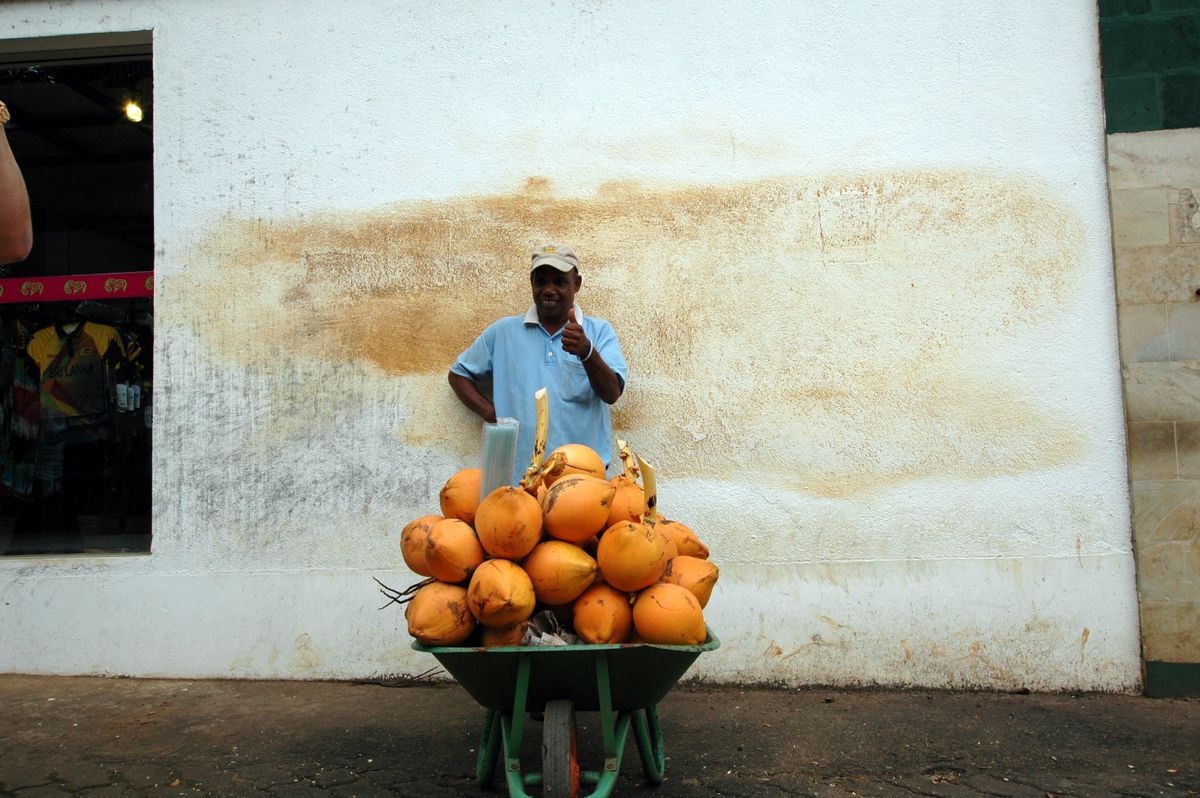


Sustainable Tourism In Sri Lanka
Meta description: Discover the sustainable issues in Sri Lanka and how tourism impacts the environment, culture, and local communities. Learn about responsible travel practices and eco-friendly destinations.
As the sun rises over the lush hills of Ella, casting a warm glow over the tea plantations, it's hard not to feel a sense of awe at the natural beauty of Sri Lanka. From the ancient cities of Anuradhapura to the vibrant streets of Galle, this island nation is a treasure trove of culture, history, and breathtaking landscapes. However, beneath its idyllic surface, Sri Lanka faces numerous sustainable issues that threaten the very fabric of its ecosystem and communities. As a responsible traveler, it's essential to understand the impact of tourism on this incredible country and how we can contribute to its preservation.
Understanding Sustainable Tourism In Sri Lanka
Sri Lanka has made significant strides in promoting sustainable tourism, with a focus on reducing plastic use, supporting local communities, and preserving cultural heritage. The government has implemented initiatives such as the "Good Travel" program, which encourages local businesses to adopt eco-friendly practices and reduce their carbon footprint. Additionally, many hotels and resorts have started to incorporate sustainable practices, such as using solar power, reducing waste, and conserving water. However, despite these efforts, Sri Lanka still faces numerous challenges, including pollution, deforestation, and the degradation of its natural resources. As tourists, we have a critical role to play in supporting sustainable tourism practices and contributing to the preservation of this incredible country.

The Impact Of Tourism On Local Communities
Tourism can have a profound impact on local communities, both positive and negative. On the one hand, tourism can provide much-needed income and employment opportunities, helping to alleviate poverty and support economic development. On the other hand, it can also lead to cultural degradation, displacement of local communities, and the exploitation of natural resources. In Sri Lanka, many local communities are still recovering from the devastating effects of the civil war and the 2019 Easter bombings, which had a significant impact on the tourism industry. As responsible travelers, it's essential to be mindful of our impact on local communities and to support initiatives that promote cultural preservation and economic empowerment.
Preserving Cultural Heritage
Sri Lanka is home to a rich and diverse cultural heritage, with numerous ancient cities, temples, and historical landmarks. However, the influx of tourists has put a strain on these sites, leading to concerns about preservation and conservation. The government has implemented measures to protect these sites, including the establishment of the Sustainable Tourism Unit, which works to promote responsible tourism practices and support the preservation of cultural heritage. As tourists, we can contribute to the preservation of Sri Lanka's cultural heritage by respecting local customs and traditions, supporting local businesses, and avoiding activities that may harm the environment or disrupt local communities.

Reducing Plastic Waste
Plastic waste is a significant problem in Sri Lanka, with many of its beautiful beaches and landscapes littered with plastic debris. The government has implemented initiatives to reduce plastic use, including the banning of single-use plastics and the promotion of eco-friendly alternatives. As tourists, we can contribute to the reduction of plastic waste by avoiding single-use plastics, using reusable bags and water bottles, and supporting local businesses that adopt sustainable practices. Additionally, many hotels and resorts have started to implement sustainable waste management practices, such as recycling and composting, which can significantly reduce the amount of waste that ends up in landfills and oceans.
Supporting Eco-Friendly Destinations
Sri Lanka is home to numerous eco-friendly destinations, including national parks, wildlife reserves, and nature sanctuaries. These destinations provide a unique opportunity for tourists to experience the natural beauty of Sri Lanka while supporting conservation efforts and promoting sustainable tourism practices. Some popular eco-friendly destinations in Sri Lanka include Yala National Park, which is home to a diverse range of wildlife, including elephants, leopards, and sloth bears, and the Sinharaja Forest Reserve, which is a UNESCO World Heritage Site and one of the most biodiverse places on the planet. By supporting eco-friendly destinations, we can contribute to the conservation of Sri Lanka's natural resources and promote sustainable tourism practices.
Promoting Responsible Travel Practices
As responsible travelers, it's essential to promote sustainable tourism practices and support local communities. This can include supporting local businesses, using public transport, and avoiding activities that may harm the environment or disrupt local communities. Additionally, we can contribute to the preservation of Sri Lanka's cultural heritage by respecting local customs and traditions, learning about the local culture, and supporting initiatives that promote cultural preservation. By promoting responsible travel practices, we can help to reduce the negative impacts of tourism and contribute to the sustainable development of Sri Lanka.
Conclusion
Sri Lanka is a country of incredible beauty and diversity, with a rich cultural heritage and breathtaking landscapes. However, it faces numerous sustainable issues, including pollution, deforestation, and the degradation of its natural resources. As responsible travelers, we have a critical role to play in supporting sustainable tourism practices and contributing to the preservation of this incredible country. By understanding the impact of tourism on local communities, preserving cultural heritage, reducing plastic waste, supporting eco-friendly destinations, and promoting responsible travel practices, we can help to reduce the negative impacts of tourism and promote the sustainable development of Sri Lanka.
Frequently Asked Questions
What are some of the sustainable issues in Sri Lanka?
Sri Lanka faces numerous sustainable issues, including pollution, deforestation, and the degradation of its natural resources. The country is also vulnerable to climate change, with rising temperatures and changing weather patterns affecting its agriculture, water resources, and coastal communities.
How can I contribute to the preservation of Sri Lanka's cultural heritage?
You can contribute to the preservation of Sri Lanka's cultural heritage by respecting local customs and traditions, learning about the local culture, and supporting initiatives that promote cultural preservation. This can include visiting cultural sites, supporting local artisans, and purchasing local handicrafts.
What are some eco-friendly destinations in Sri Lanka?
Some popular eco-friendly destinations in Sri Lanka include Yala National Park, the Sinharaja Forest Reserve, and the Knuckles Mountain Range. These destinations provide a unique opportunity for tourists to experience the natural beauty of Sri Lanka while supporting conservation efforts and promoting sustainable tourism practices.
How can I reduce my plastic waste while traveling in Sri Lanka?
You can reduce your plastic waste while traveling in Sri Lanka by avoiding single-use plastics, using reusable bags and water bottles, and supporting local businesses that adopt sustainable practices. Additionally, many hotels and resorts have started to implement sustainable waste management practices, such as recycling and composting.
What are some responsible travel practices that I can adopt while traveling in Sri Lanka?
Some responsible travel practices that you can adopt while traveling in Sri Lanka include supporting local businesses, using public transport, and avoiding activities that may harm the environment or disrupt local communities. Additionally, you can contribute to the preservation of Sri Lanka's cultural heritage by respecting local customs and traditions, learning about the local culture, and supporting initiatives that promote cultural preservation.
How can I support local communities while traveling in Sri Lanka?
You can support local communities while traveling in Sri Lanka by staying in small, locally run guesthouses, eating at local restaurants, and purchasing local handicrafts. Additionally, you can contribute to the preservation of Sri Lanka's cultural heritage by respecting local customs and traditions, learning about the local culture, and supporting initiatives that promote cultural preservation.
What are some of the benefits of sustainable tourism in Sri Lanka?
Sustainable tourism in Sri Lanka can have numerous benefits, including the conservation of natural resources, the preservation of cultural heritage, and the promotion of economic development. Additionally, sustainable tourism can help to reduce the negative impacts of tourism, such as pollution, deforestation, and the degradation of natural resources. By supporting sustainable tourism practices, we can contribute to the sustainable development of Sri Lanka and help to preserve its incredible natural beauty and cultural heritage.