

Introduction
Sri Lanka’s shoreline reads like a postcard: golden sands, turquoise waves, and the occasional curious crab. Whether you’re chasing turtles in Mirissa or perfecting a surf ride at Hikkaduwa, the island’s beaches promise unforgettable moments. Yet, beneath the sun‑kissed surface lie hidden currents, sneaky wildlife, and other hazards that can turn a dream day into a soggy mishap. By staying alert and following a few common‑sense rules, you’ll keep the fun flowing and the rescues to a minimum.
Quick answer: Swim only at patrolled beaches, heed lifeguard warnings about currents, and always use proper gear for water sports. These three habits dramatically cut the risk of accidents on Sri Lanka’s vibrant coasts.
1. Swim Only Where Lifeguards Patrol
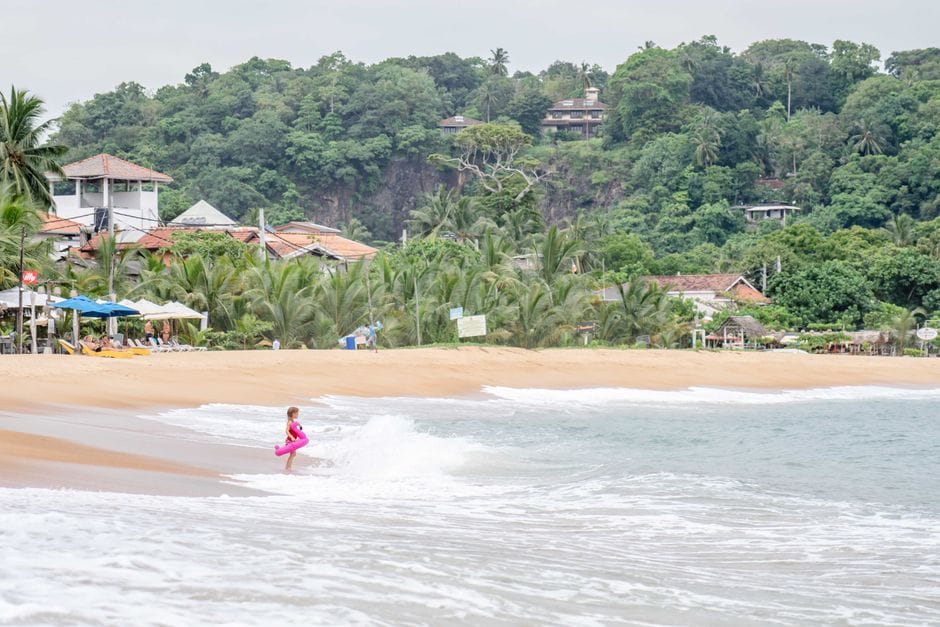
Patrolled beaches such as Bentota, Unawatuna, and Mount Lavinia post bright red flags when conditions are safe. Lifeguards, often trained by the Royal Life Saving Society, watch for rip currents that can appear without warning. If you see a flag raised, stay out of the water until it’s lowered. When a beach lacks a lifeguard, treat it as a “swim at your own risk” zone and consider staying on the shore. Checking the flag system is a free, instant safety gauge—no need to spend a rupee.
2. Respect Local Weather and Tide Reports
Sri Lanka’s monsoon patterns shift the sea’s temperament dramatically. The southwest monsoon (May‑September) can swell surf at Hikkaduwa, while the northeast monsoon (December‑February) calms the east coast near Trincomalee. Before heading out, glance at a tide chart on a local app or ask hotel staff about the day’s swell. A sudden rise in tide can expose hidden rocks, and a steep swell can generate strong undertows. Staying informed costs nothing but a few minutes of your morning coffee.
3. Never Swim Alone on Quiet Beaches
A solitary dip may feel romantic, but it removes the safety net of nearby help. Beaches like Casuarina in Jaffna often draw fewer crowds, making it easy to miss an emerging rip. If you must swim there, bring a friend or keep an eye on the shoreline from a shaded spot. Even a quick shout for assistance can buy precious seconds before a lifeguard arrives, and it keeps the beach vibe sociable.
4. Use Proper Gear for Water Sports
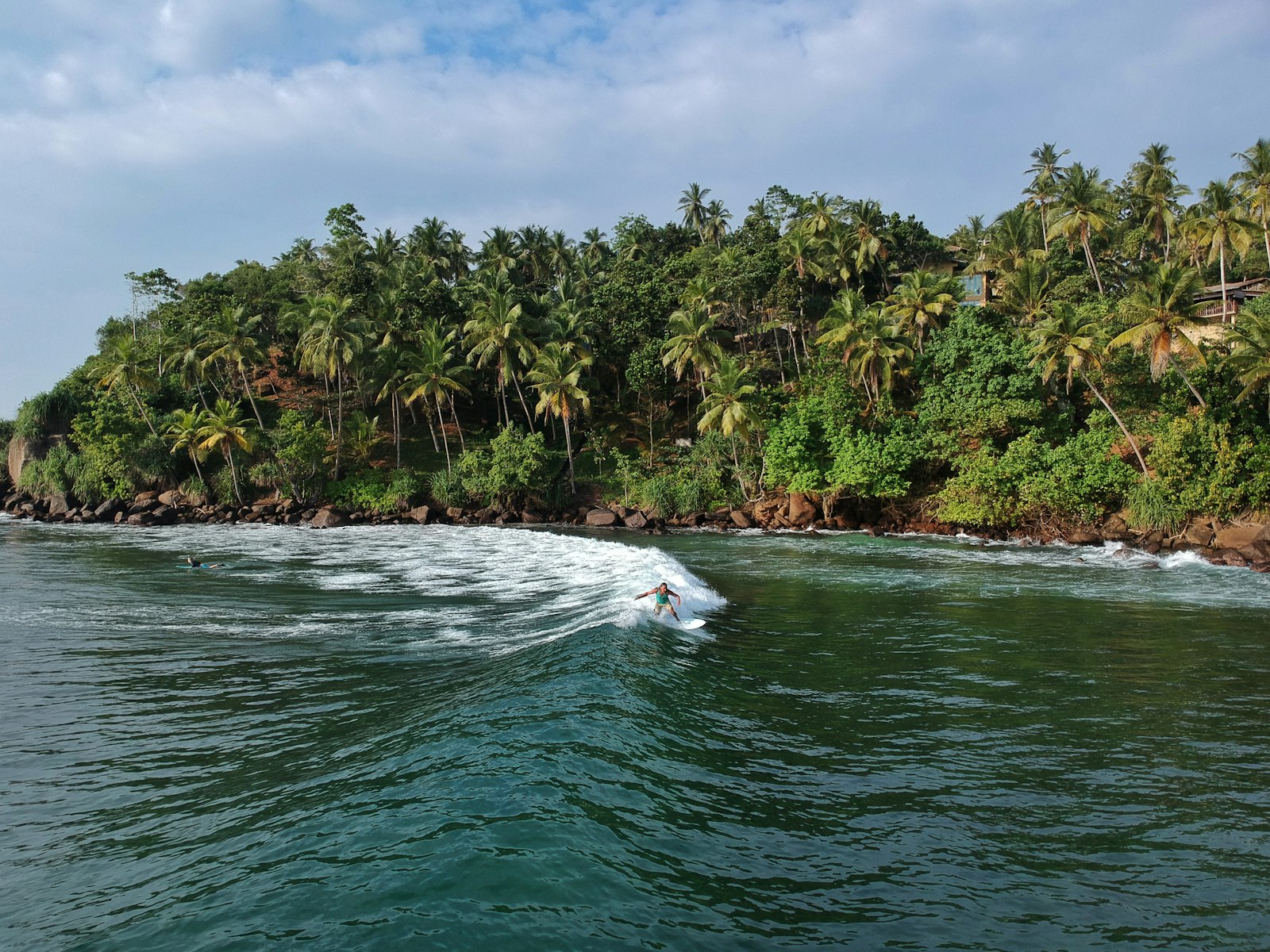
Surfboards, snorkel sets, and paddleboards are tempting toys, but they become hazards without the right equipment. Rent gear from reputable shops—most charge LKR 1,500‑2,500 (about US$5–8) per day for a basic board, and they often include a brief safety briefing. Always wear a leash while surfing, a life vest for kayaking, and a mask that fits snugly for snorkeling. Proper gear not only protects you from the sea but also from the sun’s relentless rays.
5. Keep an Eye Out for Dangerous Wildlife
Sri Lanka’s beaches share space with creatures that prefer sand to surf. Crocodiles linger near river mouths such as the Kumbukkan Oya, while wild elephants sometimes wander onto coastal dunes near Kalpitiya. Venomous snakes and insects also appear, especially after rain. If you spot any animal, maintain a safe distance—at least 10 meters for reptiles and 5 meters for insects. Photograph from afar and report sightings to local authorities or your hotel.
6. Stay Hydrated and Shielded from the Sun
The tropical sun can turn a pleasant dip into a heat‑stroke nightmare. Drink at least 2‑3 liters of water daily; a 1-litre bottle of water has a government maximum retail price of about LKR 120. Apply reef‑safe sunscreen with SPF 30 or higher every two hours—imported sunscreen is expensive in Sri Lanka, so bring enough from home. Reapply after swimming, and wear a wide‑brimmed hat and UV‑protective clothing to keep your skin happy.
7. Follow Local Signage and Advice
Signs in Sinhala, Tamil, and English warn of specific dangers: “Strong Currents,” “No Diving,” or “Crocodile Area.” Ignoring them is like refusing a seatbelt on a bumpy road. When a sign advises “No Swimming,” trust it. Likewise, listen to locals—fishermen and vendors often know hidden hazards better than any guidebook. A quick “Is it safe to swim here?” can save you a costly rescue.
8. Practice Responsible Litter Disposal
Trash not only mars the beach’s beauty but also endangers marine life. Plastic bags can entangle turtles, and discarded bottles may attract stray dogs that can bite. Use designated bins—most popular beaches have at least one per kilometer. If you can’t find a bin, pack your waste back to your accommodation. Keeping the shoreline clean protects both wildlife and future visitors, and it costs you nothing more than a bit of extra effort.
9. Carry a Basic First‑Aid Kit
A small kit with band‑aids, antiseptic wipes, and antihistamine tablets can handle minor cuts, jellyfish stings, or insect bites. You can buy one at a pharmacy for LKR 500‑800 (about US$2–3). If you’re planning a full‑day adventure, add a waterproof pouch and a whistle to signal for help. Having these items on hand turns a minor mishap into a quick fix rather than a trip to the clinic.
10. Know the Emergency Numbers
Sri Lanka’s emergency services are reachable at 119 (Police emergency), 1990 (Suwa Seriya free ambulance), 110 (Fire and Rescue) and 1912 (Tourist Police). Save these numbers in your phone and write them on a piece of paper in your beach bag. In case of a serious incident—like a rip current pull or a crocodile sighting—dialing quickly can shave precious minutes off the response time. The call is free from any mobile, even if you’re using a local SIM.
11. Use Certified Tour Operators for Excursions
If you plan a dolphin‑watching boat from Mirissa or a night snorkel in Hikkaduwa, book through operators with proper licensing. Certified companies provide life jackets, trained crew, and clear safety briefings. Prices vary by operator; shared whale and dolphin boats from Mirissa typically cost about US$40–65 per person. Avoid unregistered boats that lack safety gear; a few extra rupees guarantee peace of mind.
12. Keep Your Valuables Secure While You Swim
Beach lockers are scarce, but many hotels offer free storage for a day. If you must leave items on the sand, use a waterproof bag and bury it under a towel—just remember where you hid it! Petty theft is rare on Sri Lankan beaches, yet keeping your phone, wallet, and jewelry out of sight prevents unnecessary stress and lets you focus on the waves.
Quick Checklist
- Swim only at flagged, patrolled beaches.
- Check daily tide and weather updates.
- Never swim alone on quiet shores.
- Rent gear from reputable shops and use safety equipment.
- Respect wildlife; keep a safe distance.
- Stay hydrated, use sunscreen, and wear protective clothing.
- Follow all local signs and heed advice from locals.
- Dispose of litter in designated bins.
- Carry a basic first‑aid kit and emergency numbers.
- Book water‑sport activities through licensed operators.
FAQ
What does a red flag mean on a Sri Lankan beach?
A red flag signals dangerous conditions—strong currents, high surf, or a known hazard. Swim is prohibited until the flag is lowered. Ignoring it can lead to rescue situations and possible fines.
Are there lifeguards at every popular beach?
Most major tourist beaches like Bentota, Unawatuna, and Mount Lavinia have lifeguards during peak hours. Smaller or remote beaches may lack permanent staff, so treat those as “swim at your own risk.”
How can I identify a rip current?
Rip currents appear as narrow, fast‑moving channels of water heading offshore, often clearer than surrounding water. If you feel a sudden pull away from shore, stay calm, swim parallel to the beach, and exit the current before heading back in.
Is it safe to snorkel with sea turtles in Mirissa?
Snorkeling with turtles is generally safe if you keep a respectful distance (at least 3 meters) and avoid touching them. Use a reef‑safe sunscreen and a mask that fits well to prevent accidental harm.
What should I do if I get stung by a jellyfish?
Rinse the area with seawater (not fresh water) to neutralize toxins, then apply vinegar or a commercial sting relief cream. Seek medical attention if pain persists or an allergic reaction appears.
Are there any beaches where I should avoid swimming entirely?
Be cautious at river mouths like the Kumbukkan Oya and at secluded spots where crocodiles have been sighted, such as parts of Kalpitiya. Local signage will usually warn you, but when in doubt, stay on the sand.
How much does a basic beach safety kit cost?
A simple kit with band‑aids, antiseptic wipes, and antihistamines costs around LKR 500‑800 (about US$2–3). Adding a whistle and waterproof pouch may raise the price to about LKR 1,200 (about US$4).
Final Thoughts
Sri Lanka’s beaches are a playground of sun, surf, and sea life, but they demand a dash of caution to keep the adventure enjoyable. By respecting lifeguard flags, staying informed about tides, and using proper gear, you protect yourself and the environment. Follow these straightforward tips, and you’ll return home with stories of shimmering sunsets—not hospital visits. Happy and safe beach‑hopping!


