
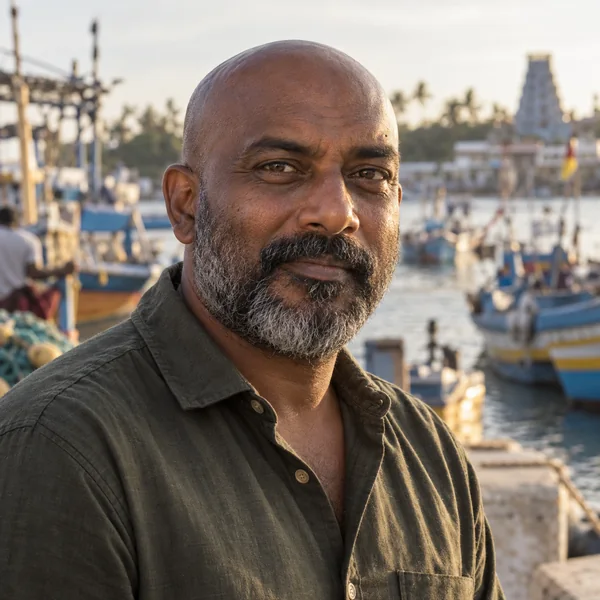

Long before most visitors think of Sri Lanka's beaches, Hindu pilgrims were sailing here to pray. The island is home to five ancient Shiva temples known as the Pancha Ishwarams, and to Kataragama, one of the most important Murugan shrines in the world. For travellers from India, a temple journey through Sri Lanka feels both deeply familiar and full of surprises.
The Pancha Ishwarams: five abodes of Shiva
Koneswaram, Trincomalee
Perched on Swami Rock high above the sea in Trincomalee, Koneswaram is the most dramatic of the five. Tradition says Ravana worshipped Shiva here, and a cleft in the rock nearby is called Ravana's Cut. The views over the bay are wonderful, and Trincomalee's beaches are a short drive away.
Ketheeswaram, Mannar
Near the old port of Mantai in Mannar, Ketheeswaram is praised in the Thevaram hymns of the Nayanmar saints. It is quieter than the others and pairs well with a visit to the north.
Naguleswaram, Keerimalai
Beside the sacred Keerimalai springs on the Jaffna peninsula, Naguleswaram has been rebuilt in recent years. Many pilgrims bathe in the springs before entering the temple.
Munneswaram, near Chilaw
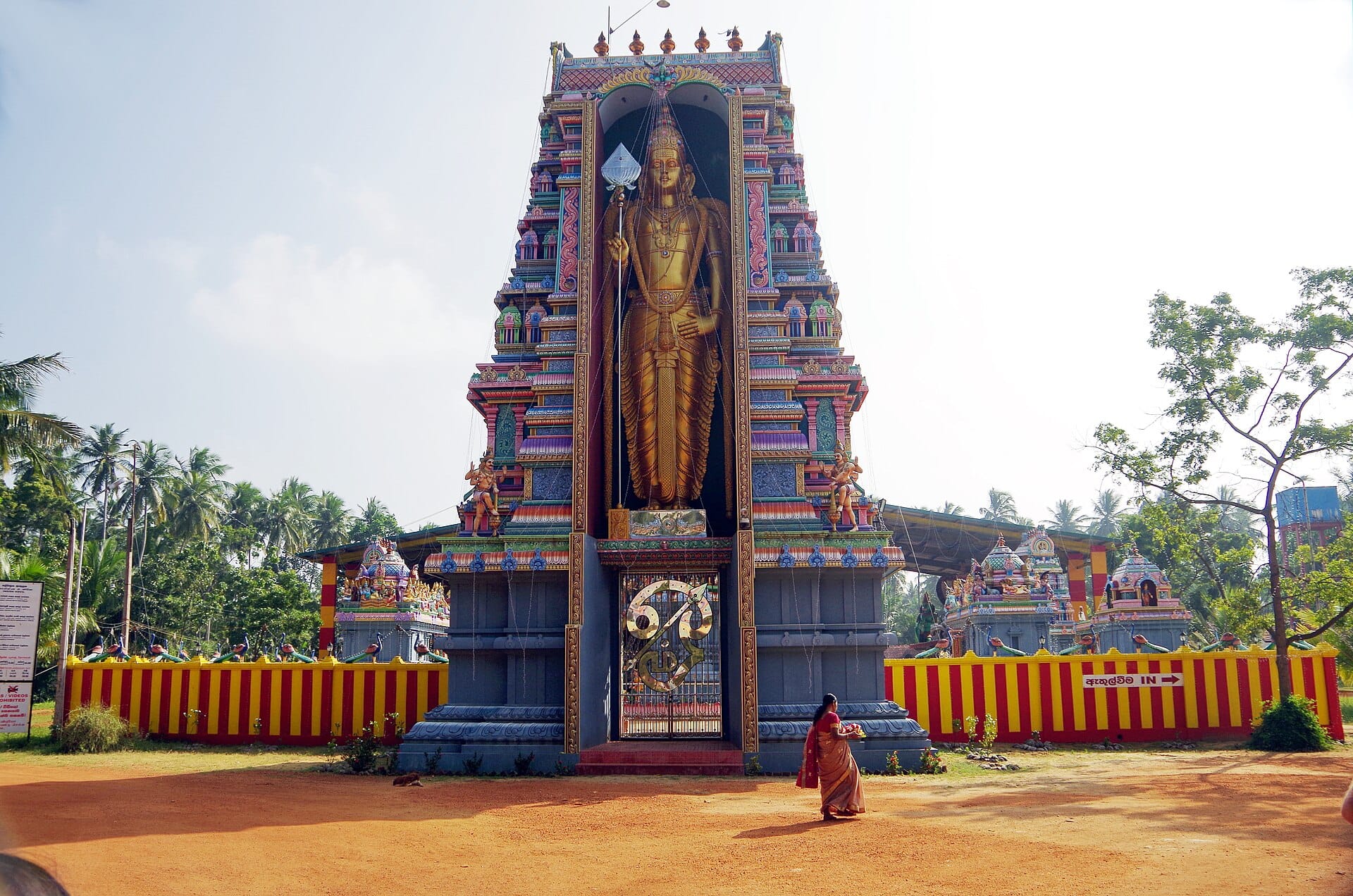
On the west coast, Munneswaram is the easiest to reach from Colombo. Tradition links it to Rama, who is said to have worshipped Shiva here after the war. The temple's annual festival around August and September draws large crowds from across the country.
Tenavaram, Dondra
At Dondra on the far south coast, Tenavaram was once a vast temple complex. It was destroyed by the Portuguese in the late 16th century, and today a smaller shrine continues the tradition near Sri Lanka's southernmost point.
Kataragama: the god of many faiths
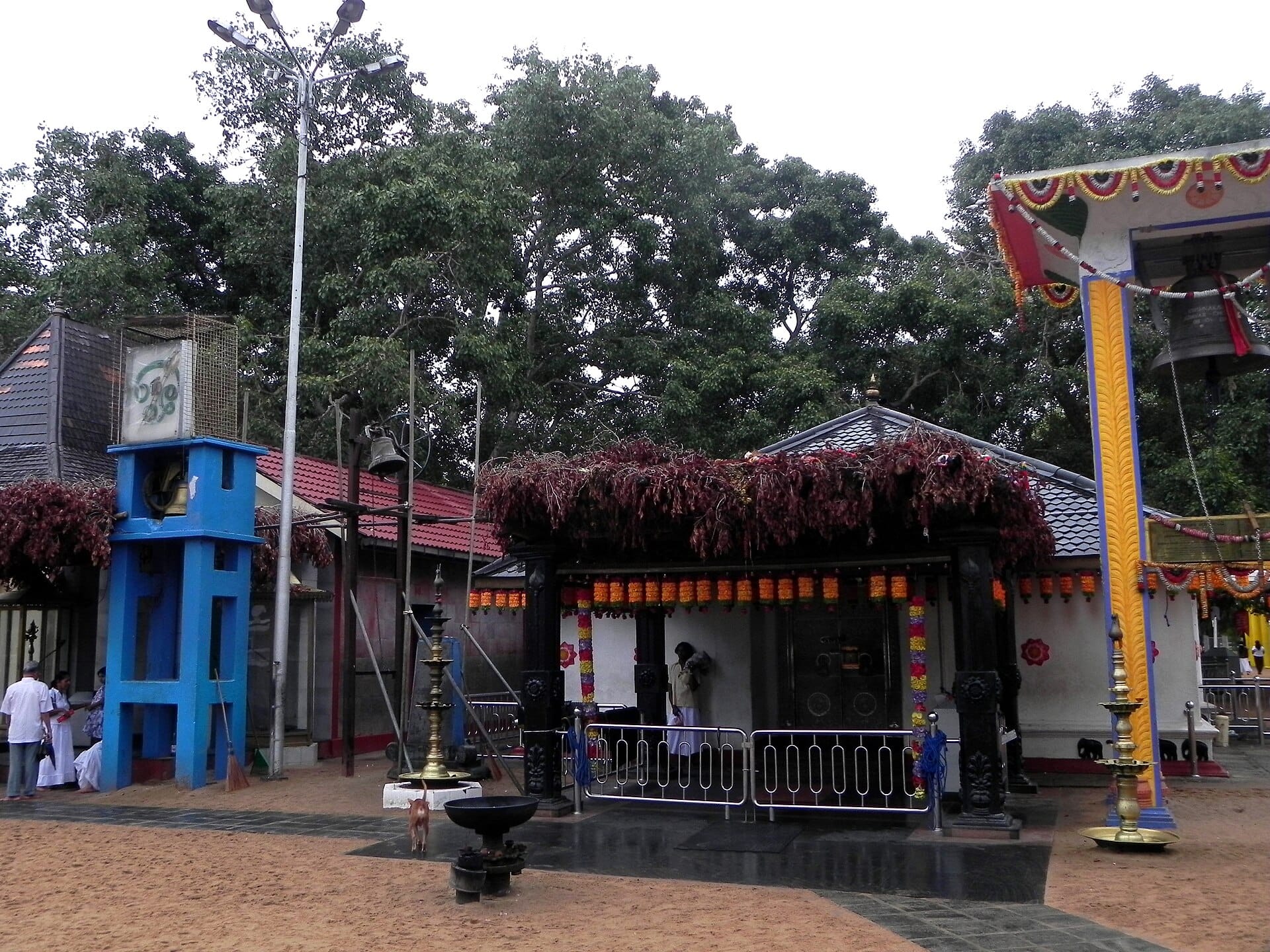
Deep in the south-east near Yala, Kataragama is dedicated to Lord Murugan, known to Telugu pilgrims as Subrahmanya Swamy and to Sinhala Buddhists as Kataragama Deviyo. Hindus, Buddhists, Muslims and the indigenous Vedda people all revere the site, which makes it unique. The evening puja, with fruit offerings, drums and lamps, is unforgettable.
The great Esala festival in July and August brings fire-walking and processions. Some devotees still walk the Pada Yatra, a pilgrimage on foot that starts in the north and follows the east coast down to Kataragama.
Temples in Colombo
If time is short, Colombo has beautiful temples too. Sri Ponnambalavaneswarar in Kochchikade is built entirely of granite in the South Indian style. In July or August, the Aadi Vel festival carries Murugan's silver chariot through the city streets.
Tips for pilgrims
- Dress: cover shoulders and knees. At some northern temples men remove their shirts before entering.
- Shoes: leave them outside. Stone floors get hot in the afternoon, so visit early or late.
- Photos: photography is often not allowed inside the inner sanctum. Ask first.
- Food: vegetarian meals are easy to find near all major temples.
- Visa: Indian passport holders get a free ETA online at eta.gov.lk.
- Getting around: the temples are spread across the island, so a car with a driver saves a lot of time.
Frequently Asked Questions
What are the Pancha Ishwarams?
They are five ancient Shiva temples on Sri Lanka's coasts: Koneswaram in Trincomalee, Ketheeswaram in Mannar, Naguleswaram at Keerimalai, Munneswaram near Chilaw and Tenavaram at Dondra.
When is the Kataragama festival?
The main Esala festival is held around July and August. Exact dates change every year with the lunar calendar.
Can I visit all five temples in one trip?
Yes, but they sit in every corner of the island. Allow eight to ten days for all five plus Kataragama, travelling by car.
Are non-Hindus allowed in the temples?
Visitors of all faiths are generally welcome if they dress modestly and behave respectfully. A few inner shrines may be restricted.


