


Introduction
Traveling from the United States to Sri Lanka feels like stepping into a living postcard—golden beaches, misty tea hills, and ancient temples await. Yet the excitement can evaporate if you arrive without the right paperwork. In 2026 the Sri Lankan government still requires every U.S. passport holder to secure an Electronic Travel Authorization (ETA) or a proper visa before crossing the border. You also need a passport that lives at least six months beyond your stay, proof of onward travel, and enough funds to cover your adventure. This guide breaks down every requirement, shows you how to apply online, explains special cases like business trips or volunteer work, and equips you with the evidence you need to travel confidently. Ready to unlock Sri Lanka’s wonders? Let’s get you cleared for entry, step by step.
Tourist ETA: The Fast‑Track Entry Pass
The Tourist Electronic Travel Authorization (ETA) is the most common gateway for U.S. citizens planning a vacation, a family visit, or a short transit through Sri Lanka. You apply online through the official Sri Lankan ETA portal, fill in personal details, passport information, and travel itinerary, then pay the US $35 fee (as of 2026). Approval usually arrives within minutes, but the system advises you to apply at least 72 hours before departure to avoid surprises. Once granted, the ETA links electronically to your passport; you do not receive a physical document. Print a PDF copy as a backup, and keep it handy at immigration. The authorization allows a single entry for up to 30 days, extendable once for an additional 30 days through a local immigration office. Remember, the ETA is not a visa; it does not cover employment, long‑term study, or religious work.
Business ETA: When Meetings Turn Into Travel
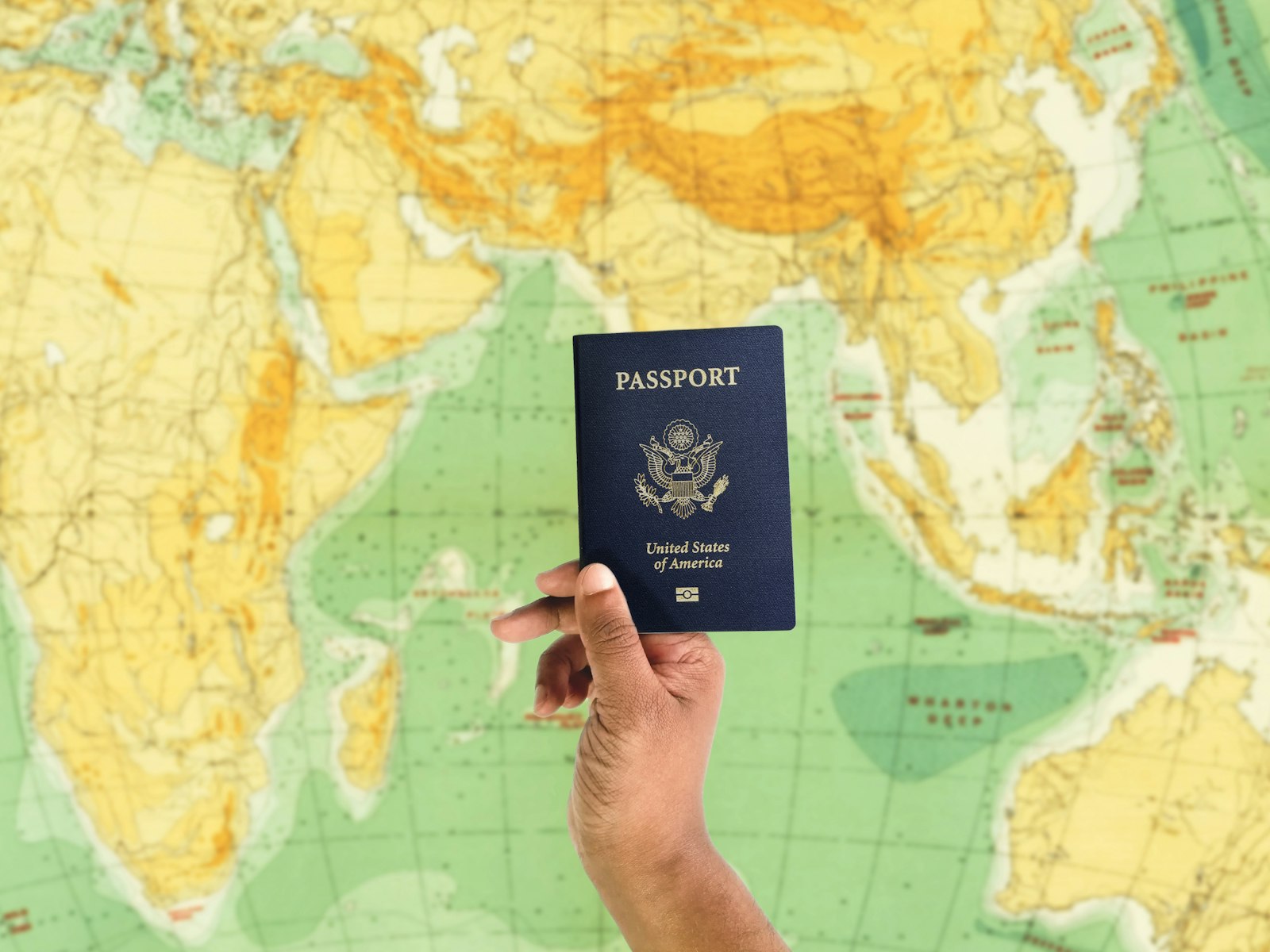
If your Sri Lankan itinerary includes conferences, negotiations, or client visits, you need a Business ETA rather than the tourist version. Unlike the tourist ETA, the business ETA cannot be obtained online; you must request it from the nearest Sri Lankan embassy or consulate in the U.S., or obtain it upon arrival at the airport’s visa on‑arrival counter (subject to longer processing times). Required documents include an invitation letter from the Sri Lankan host company, proof of company registration, and a detailed schedule of business activities. The fee rises to US $50, and the authorized stay extends to 30 days with a possible one‑time extension. Because the business ETA ties directly to commercial activities, immigration officers may ask for additional evidence—such as conference tickets or proof of registration with the Sri Lankan Board of Investment—so keep those papers in your carry‑on.
Long‑Term Visas: Volunteer Work, Religious Pilgrimage, and Employment
For U.S. citizens planning to volunteer with NGOs, participate in a religious retreat, or take up local employment, a standard entry visa is mandatory. These visas are not available through the ETA system and must be secured in advance at a Sri Lankan diplomatic mission. The application packet typically includes a completed visa form, a passport‑size photo, a letter of invitation from the sponsoring organization, proof of qualifications (e.g., teaching certificates), and a clear statement of purpose. Processing times range from 7 to 14 business days, and fees vary between US $60 and US $120 depending on the visa category. Once issued, the visa sticker appears in your passport and permits stays ranging from 30 days to a full year, with the possibility of renewal. Failure to obtain the correct visa can result in denial at the border, a costly detour, and a record that may affect future travel.
Passport Validity, Ticket Proof, and Financial Guarantees
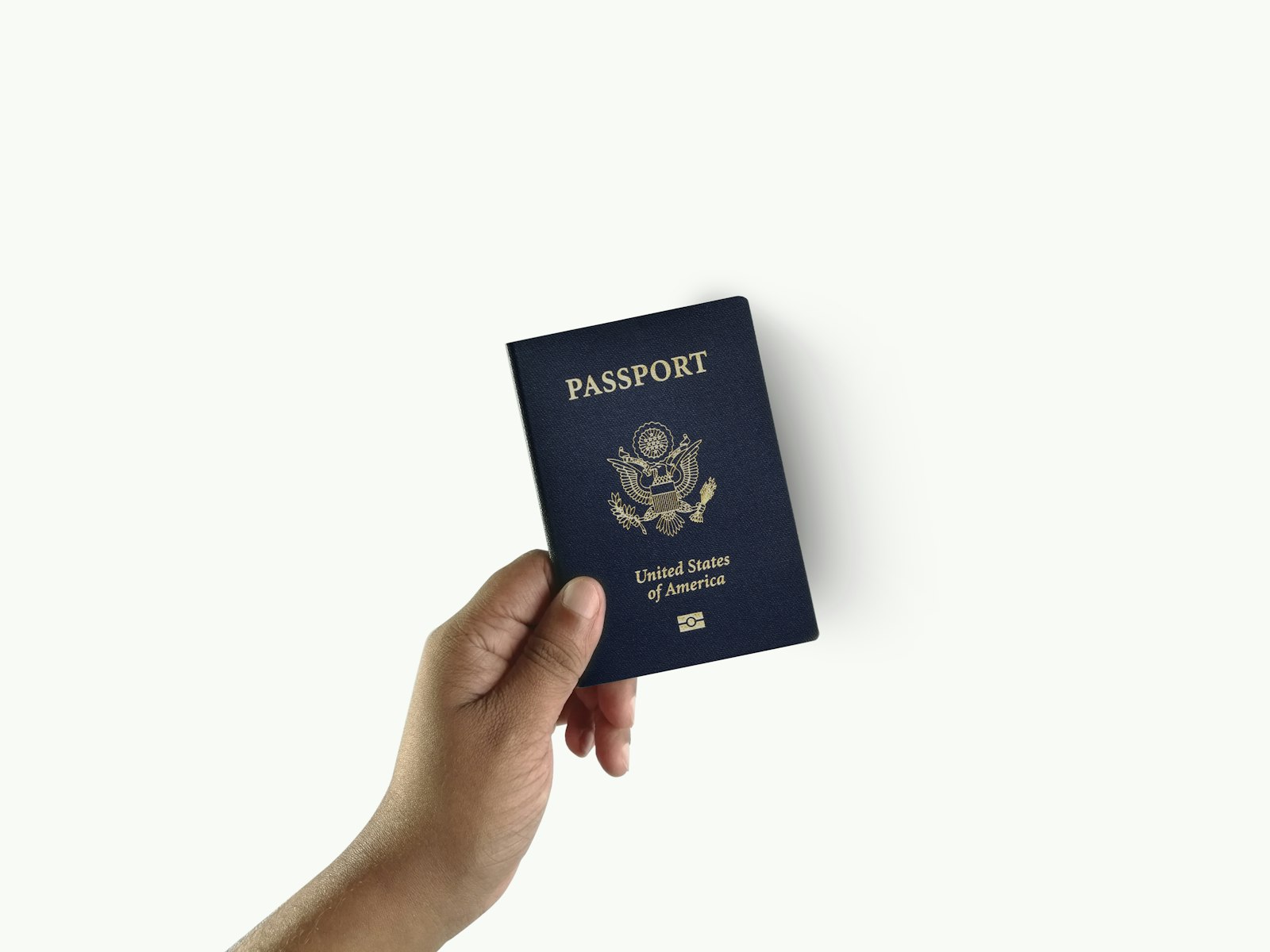
Sri Lankan immigration enforces a strict six‑month passport validity rule. Your U.S. passport must remain valid for at least six months after your intended departure date from the island. Airlines often check this before boarding, so double‑check the expiration date well in advance. Additionally, you must present a confirmed onward or return ticket; a one‑way ticket without proof of exit may trigger denial. Proof of sufficient funds—usually a minimum of US $100 per day of stay—can be shown through bank statements, credit‑card limits, or traveler’s cheques. While the amount is not rigidly enforced, officers may ask to see evidence, especially if you travel without a pre‑booked accommodation. Carry a printed copy of your hotel reservation or Airbnb confirmation to smooth the process.
Health Requirements and Travel Insurance
Sri Lanka does not demand mandatory vaccinations for U.S. travelers, but health experts recommend routine shots (MMR, Tdap, varicella) and hepatitis A and B immunizations. For jungle treks or coastal snorkeling, consider typhoid and Japanese encephalitis vaccines. The island’s tropical climate also means mosquito‑borne diseases like dengue; bring an EPA‑approved repellent and wear long sleeves after dusk. Though not a legal entry requirement, comprehensive travel insurance covering medical evacuation is highly advisable. Many U.S. insurers now offer policies that include COVID‑19 treatment, which remains a prudent addition even though the pandemic has largely subsided. Keep a digital copy of your policy and emergency contact numbers in your luggage.
Arrival Procedures and Practical Tips
When you land at Bandaranaike International Airport (CMB) or Mattala Rajapaksa Airport (HRI), follow the “green lane” if you hold an approved ETA, and the “red lane” for visa holders. Have your passport, printed ETA confirmation, onward ticket, and proof of funds ready for the officer’s inspection. Expect a brief interview about your travel purpose; answer confidently and keep your tone friendly. After immigration, collect your luggage, pass through customs (declare any prohibited items such as firearms, narcotics, and large amounts of cash over US $10,000), and head to the arrivals hall. If you arrive by private yacht, be prepared for a naval inspection and radio clearance before docking—Sri Lankan harbors are high‑security zones. Finally, register your travel itinerary with the U.S. Department of State’s Smart Traveler Enrollment Program (STEP) to receive alerts and make it easier for the embassy to assist you in emergencies.
Frequently Asked Questions
What is the difference between an ETA and a visa for U.S. travelers?
An ETA is an electronic approval linked to your passport that permits short‑term tourism or transit (up to 30 days) and is obtained online. A visa is a physical sticker placed in your passport, required for longer stays, work, study, volunteer work, or religious activities, and must be secured through a Sri Lankan embassy or consulate.
Can I extend my 30‑day tourist stay without leaving the country?
Yes. You may apply for a 30‑day extension at any Department of Immigration office in Sri Lanka before your original ETA expires. Bring your passport, original ETA approval, and a fee of US $30. Extensions are granted at the officer’s discretion and are not guaranteed.
How much does the tourist ETA cost in 2026, and how do I pay?
The 2026 tourist ETA fee for U.S. citizens is US $35. Payment is accepted via major credit cards (Visa, Mastercard, American Express) on the official ETA portal. The system encrypts your data, and you receive an email receipt once the transaction completes.
Do I need a separate COVID‑19 test or vaccination proof?
As of October 2026, Sri Lanka no longer requires a negative COVID‑19 test or vaccination proof for entry. However, airlines may have their own policies, so verify with your carrier before departure.
What documents should I carry for a business trip?
Bring your passport, Business ETA approval (or embassy visa), an invitation letter from the Sri Lankan partner, a copy of your conference registration, proof of accommodation, and evidence of sufficient funds. Having digital scans on your phone helps if the paper copies get misplaced.
My passport expires in five months—can I still travel?
No. Sri Lankan immigration mandates a six‑month validity window beyond your planned departure. Renew your U.S. passport before booking flights to avoid denial at the gate.
Is travel insurance mandatory for entering Sri Lanka?
Travel insurance is not a legal requirement, but it is strongly recommended. A policy covering medical emergencies, evacuation, and trip interruption protects you from unexpected costs and speeds up assistance from the U.S. embassy if needed.
Conclusion
Navigating Sri Lanka’s entry requirements may seem daunting, but with the right preparation you can focus on the island’s breathtaking landscapes instead of paperwork headaches. Secure a tourist ETA for leisure trips, obtain a business ETA or a full visa for work‑related visits, keep your passport valid for six months, and carry proof of onward travel and funds. Add recommended vaccinations, travel insurance, and a quick STEP enrollment, and you’ll step off the plane with confidence. Sri Lanka’s warm hospitality awaits—make sure your documents do, too.


