


Introduction
Sri Lanka’s rolling hills, mist‑clad temples, and sapphire seas attract travelers from every corner of the globe. Yet for many, the true heartbeat of the island lies in the gentle giants that wander its protected grasslands. In 2026, the question “Where is the best place to go on an elephant safari in Sri Lanka?” invites more than a simple answer; it demands a journey into ecology, history, and the ethics of wildlife tourism. While Yala dazzles with leopards and Minneriya gathers massive herds each August, Udawalawe National Park offers a balanced blend of accessibility, elephant density, and a quieter atmosphere that lets visitors feel the presence of these majestic creatures without the crowds. This guide unpacks the reasons behind Udawalawe’s rise, shares practical logistics, and equips you with the knowledge to experience an elephant safari that respects both the animals and the land.
Why Udawalawe Stands Out Among Sri Lanka’s Parks
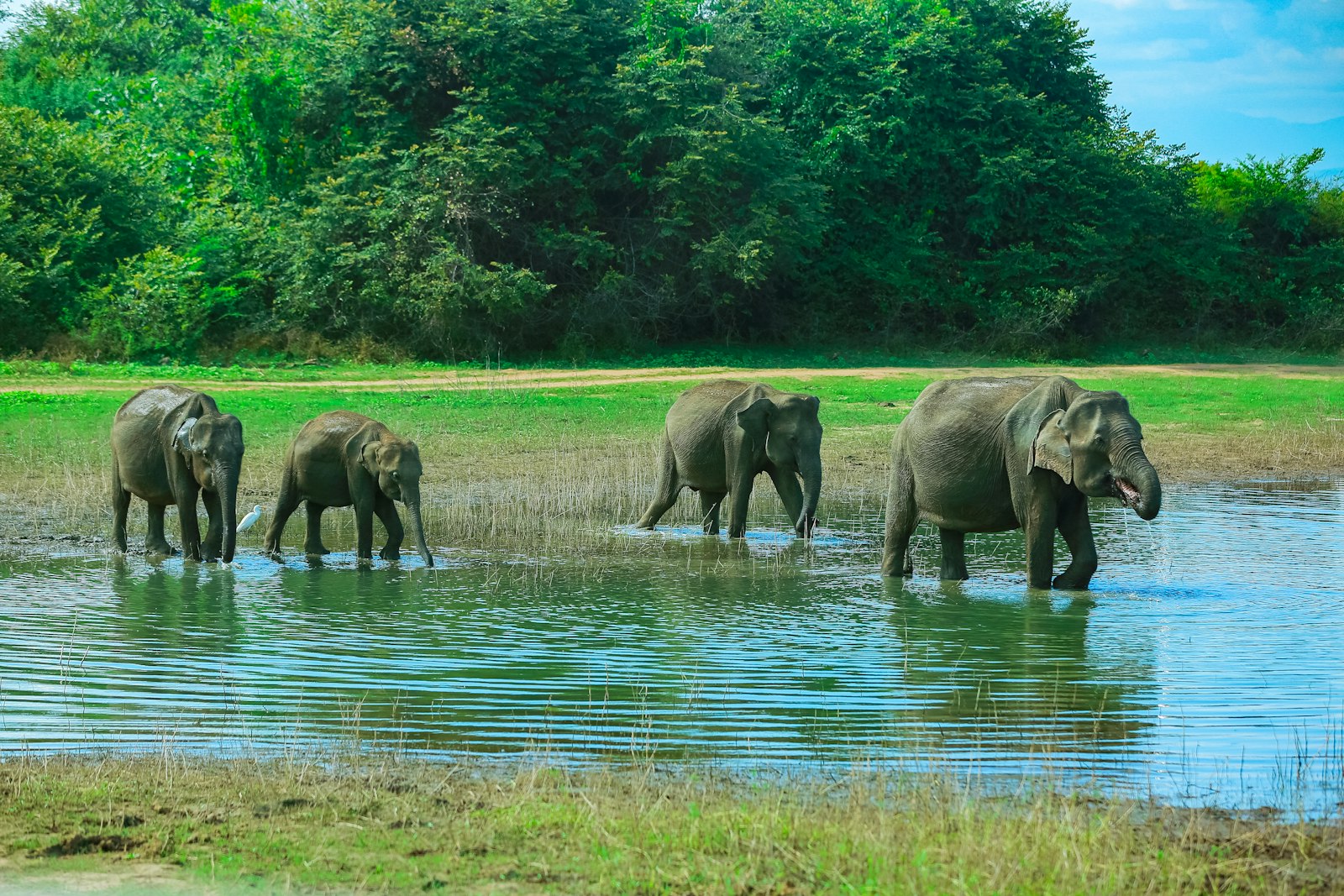
Udawalawe’s claim to fame rests on three pillars: abundant elephant sightings, manageable visitor numbers, and a landscape that mirrors the African savanna while retaining a uniquely Sri Lankan flavor. The park spans roughly 30,000 hectares of open grassland, flood‑plain forest, and a man‑made reservoir that draws water‑dependent wildlife each dawn. Because the terrain is relatively flat, herds move openly, making it easier for a jeep driver to spot a mother, calf, or playful juvenile. Compared with Yala, where dense scrub can hide animals until the last moment, Udawalawe offers clear sightlines that translate into more frequent photo opportunities. Moreover, the park’s visitor capacity is lower, so you are less likely to share the road with a parade of tour jeeps. This quieter setting not only enhances the emotional impact of watching elephants bathe or feed but also reduces stress on the animals, aligning with responsible tourism principles.
Best Time of Year—and Day—to Spot Elephants
Timing is everything when you want to witness elephants at their most active. The dry season, running from May to October and again in February–March, forces wildlife to congregate around the park’s reservoir, creating natural gathering points. In 2026, the months of June and September are especially favorable because water levels are low enough to expose mudflats where elephants love to wallow, yet the rains have not yet returned to swamp the trails. As for the time of day, early morning drives—ideally beginning around sunrise—offer the highest probability of sightings. Animals are most energetic before the heat of noon sets in, and the soft golden light adds a cinematic quality to every photograph. A late‑afternoon safari can also be rewarding, as elephants often return to water sources to cool down before nightfall.
How to Reach Udawalawe From Colombo, Ella, and Mirissa
Reaching Udawalawe is straightforward, regardless of whether your itinerary starts in the capital, the hill country, or the southern beach belt. From Colombo, a 4‑hour drive along the Southern Expressway (E01) brings you directly to the park’s main gate; many travelers opt for a private transfer or a comfortable intercity bus that stops at the Udawalawe town centre. If you are exploring the central highlands around Ella, the journey takes roughly 3 hours on the A2 highway, winding through tea plantations and offering scenic vistas that set the tone for an adventure. For beach lovers staying in Mirissa, a 5‑hour drive northward—often broken into a morning leg to Galle and an afternoon stretch inland—places you within the park by late afternoon, perfect for a sunset‑light safari. In all cases, booking a reputable local operator ensures a safe, air‑conditioned vehicle and a knowledgeable driver who knows the park’s entry schedules.
What to Expect on a Typical Udawalawe Safari
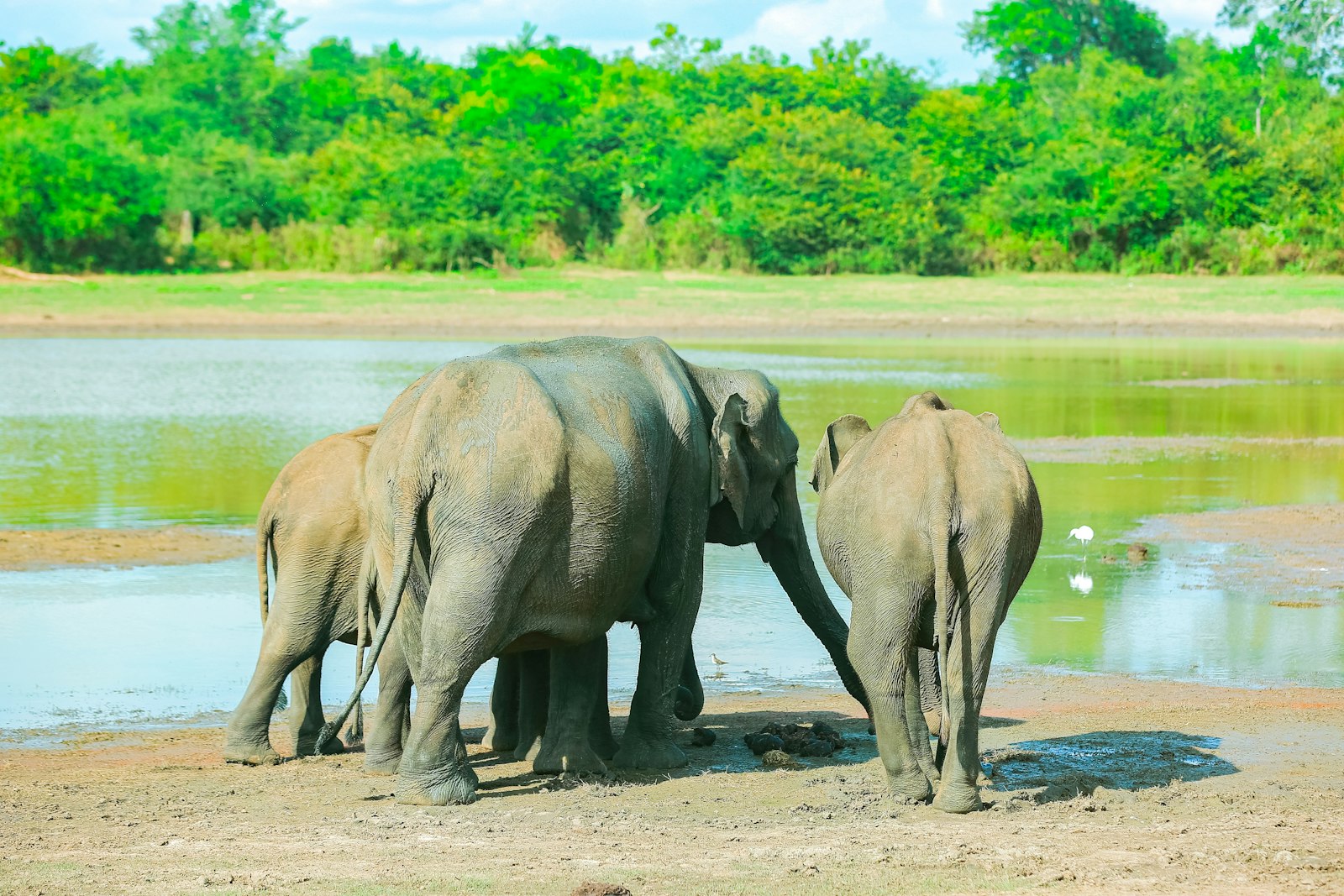
A standard Udawalawe safari lasts between three and four hours, covering a circuit of the reservoir, grasslands, and forest patches. Your guide will point out not only elephants but also water buffalo, spotted deer, wild boar, and the ever‑curious toque macaque. The open‑roof jeep design lets you feel the heat of the sun on your face and hear the distant trumpeting of a distant herd before you see them. Most tours include a brief stop at a designated viewing platform where you can watch a family of elephants cross a shallow stream—a moment that often feels like a private audience with nature. If you choose a full‑day safari, you gain extra time for birdwatching; the park hosts over 200 species, including the vibrant Indian roller and the elusive white‑breasted waterhen. Remember to bring binoculars, a hat, and sunscreen, but also a respectful silence that allows the animals to behave naturally.
Responsible Safari Practices: Protecting Elephants and Their Habitat
The surge in wildlife tourism has brought both opportunities and challenges to Udawalawe. While increased revenue supports park management and anti‑poaching units, uncontrolled jeep numbers and reckless driving can stress the elephants. As a responsible traveler, you can make a difference. First, select a tour operator that adheres to the Department of Wildlife Conservation’s guidelines—these include limiting the number of vehicles in a herd’s vicinity to three and maintaining a minimum distance of 30 meters from any animal. Second, never feed the elephants; artificial food can disrupt their diet and health. Third, keep the vehicle windows closed when animals are within a few meters to avoid sudden noises that might startle them. Finally, dispose of all waste in designated bins and encourage your guide to follow the “leave no trace” principle. By embodying these practices, you help ensure that future generations can experience the same awe‑inspiring encounters you enjoy today.
Comparing Udawalawe With Minneriya and Yala: Which Is Right for You?
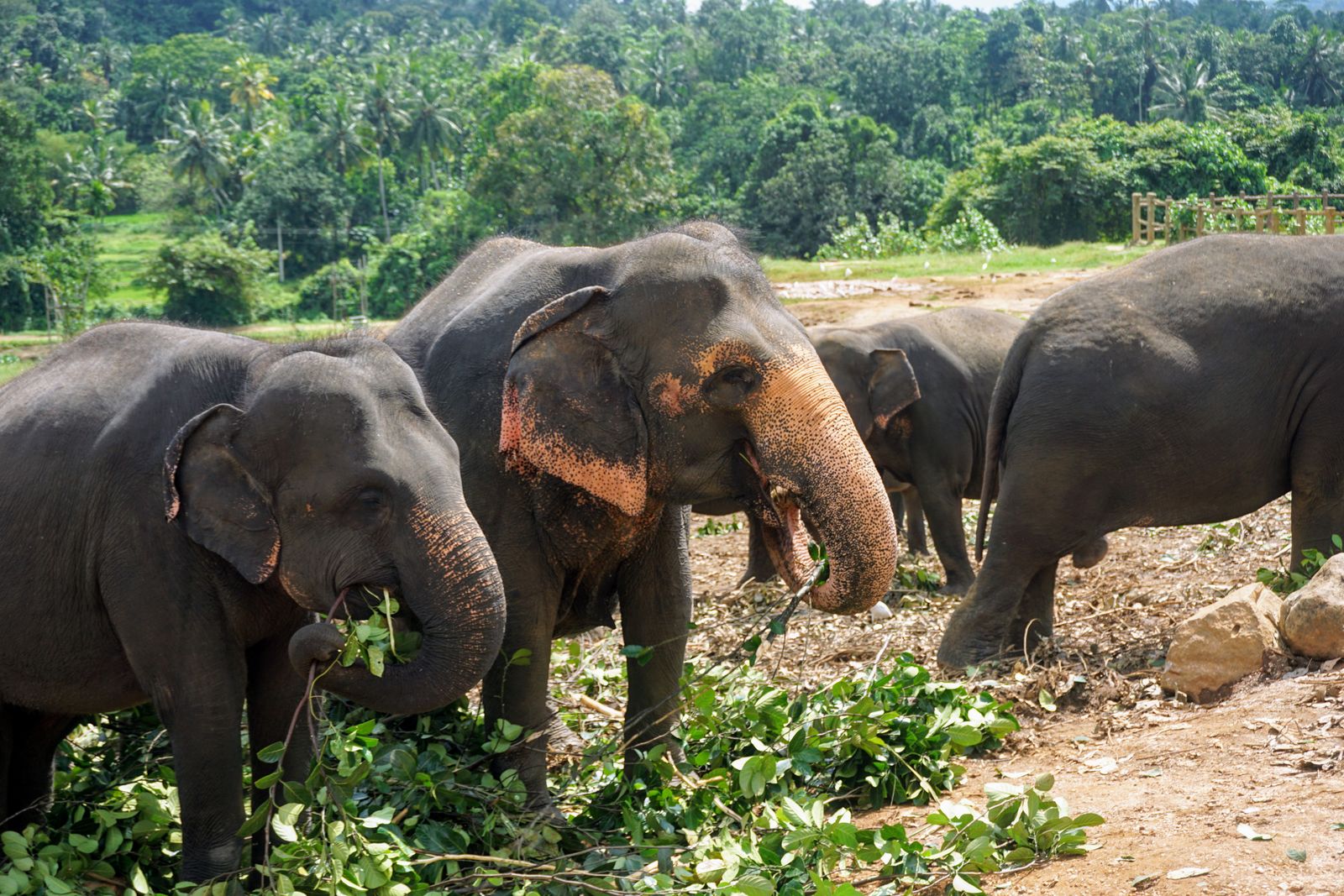
Choosing a park depends on your priorities. If your sole mission is to witness massive elephant congregations, Minneriya’s “Gathering”—where up to 300 individuals converge around the reservoir in August and September—offers a spectacle unmatched elsewhere. However, Minneriya’s popularity means larger crowds and a higher chance of competing jeeps. Yala, on the other hand, boasts the highest density of leopards in the world, making it ideal for big‑cat enthusiasts, though elephant sightings are less predictable. Udawalawe strikes a middle ground: it delivers consistent elephant encounters, fewer tourists, and a lower price point than Yala. For travelers who want a relaxed, family‑friendly experience with ample time to absorb the surroundings, Udawalawe emerges as the best overall choice in 2026.
Frequently Asked Questions
What is the ideal season for an elephant safari in Udawalawe?
The dry season—May to October and February to March—offers the best conditions. During these months, water sources shrink, prompting elephants to gather near the reservoir, increasing visibility. Early mornings provide the most active wildlife behavior.
How many elephants can I expect to see in a single safari?
While sightings vary, most visitors encounter at least three to five distinct herds during a half‑day drive. In peak dry months, it’s common to see ten or more individuals, including mothers with calves and solitary bulls.
Are leopards ever spotted in Udawalawe?
Leopards do inhabit Udawalawe, but they are far less common than in Yala. If spotting a leopard is a top priority, consider adding a day trip to Yala or a combined itinerary that includes both parks.
Do I need a special permit to enter Udawalawe National Park?
All visitors must purchase a park entry ticket, which can be bought at the gate or arranged through a licensed tour operator. The fee contributes to conservation efforts and is mandatory for every vehicle entering the reserve.
Can I bring my own vehicle for a self‑drive safari?
Self‑driving is not permitted in Udawalawe. The park requires a licensed guide and a certified jeep to ensure safety for both visitors and wildlife. This rule also helps control the number of vehicles on the road.
What should I pack for an Udawalawe safari?
Essentials include lightweight clothing, a wide‑brimmed hat, sunscreen, insect repellent, a reusable water bottle, binoculars, and a camera with a zoom lens. Comfortable shoes are advisable, as you may be asked to step out of the jeep for short walks.
Is Udawalawe suitable for children?
Absolutely. The park’s open terrain, predictable animal patterns, and family‑friendly guides make it an excellent choice for travelers with kids. Many operators offer shorter, 2‑hour “Junior Safari” packages tailored to younger attention spans.
How does Udawalawe contribute to elephant conservation?
Udawalawe works closely with the Department of Wildlife Conservation and NGOs to monitor herd health, combat poaching, and support community education programs. Visitor fees directly fund anti‑poaching patrols and habitat restoration projects.
Conclusion
In 2026, Udawalawe National Park stands as the premier destination for an elephant safari that balances awe‑inspiring wildlife encounters with responsible tourism. Its open grasslands, dependable elephant populations, and manageable visitor flow create an environment where travelers can connect deeply with the gentle giants of Sri Lanka. By timing your visit during the dry season, choosing a reputable operator, and adhering to ethical guidelines, you not only enrich your own experience but also contribute to the long‑term preservation of these magnificent animals. Whether you are arriving from bustling Colombo, tranquil Ella, or sun‑kissed Mirissa, the journey to Udawalawe promises moments of quiet wonder that linger long after the jeep engine stops. Pack your curiosity, respect the land, and let the elephants of Udawalawe guide you into the heart of Sri Lanka’s wild soul.


