


Introduction
Snorkeling in Sri Lanka feels like slipping into a living aquarium where coral gardens sway, turtles glide, and schools of neon fish dart past your mask. Travelers often ask, “Which beach in Sri Lanka is best for snorkeling?” The honest answer cuts through glossy brochures: Pigeon Island, just offshore Nilaveli on the east coast, delivers the clearest water, healthiest reef, and most diverse marine life on the island. Yet the island’s south‑west shoreline hides gems like Hikkaduwa and Mirissa that cater to beginners and budget backpackers. This guide breaks down the facts, shares hard‑won evidence from locals and dive operators, and calls you to plan a snorkel‑first itinerary for 2026. Pack your mask, reef‑safe sunscreen, and a sense of adventure—let’s dive in.
Pigeon Island Near Nilaveli: The Gold Standard
Pigeon Island National Park sits a short 15‑minute boat ride from Nilaveli, north of Trincomalee. The reef here boasts visibility of 15‑20 meters during the dry season (May‑October), far better than most south‑west sites. Marine biologists confirm a thriving coral canopy—brain, staghorn, and plate corals—that supports over 150 fish species, including parrotfish, butterflyfish, and occasional reef sharks. The island’s two protected zones, the northern “Coral Garden” and southern “Turtle Cove,” let snorkelers witness green sea turtles nesting on the sand and juveniles feeding in shallow lagoons. Local operators like “Trinco Reef Adventures” offer sunrise trips that include a brief safety briefing, a guided swim, and a photo‑op with a friendly turtle. Evidence shows that even seasoned divers rank Pigeon Island as Sri Lanka’s only world‑class snorkel spot.
Call to Action: Book a Nilaveli‑based guesthouse for the week of August 2026, reserve a Pigeon Island snorkel tour early, and secure a spot before the monsoon crowds arrive.
Hikkaduwa: The South‑West Crowd‑Pleaser
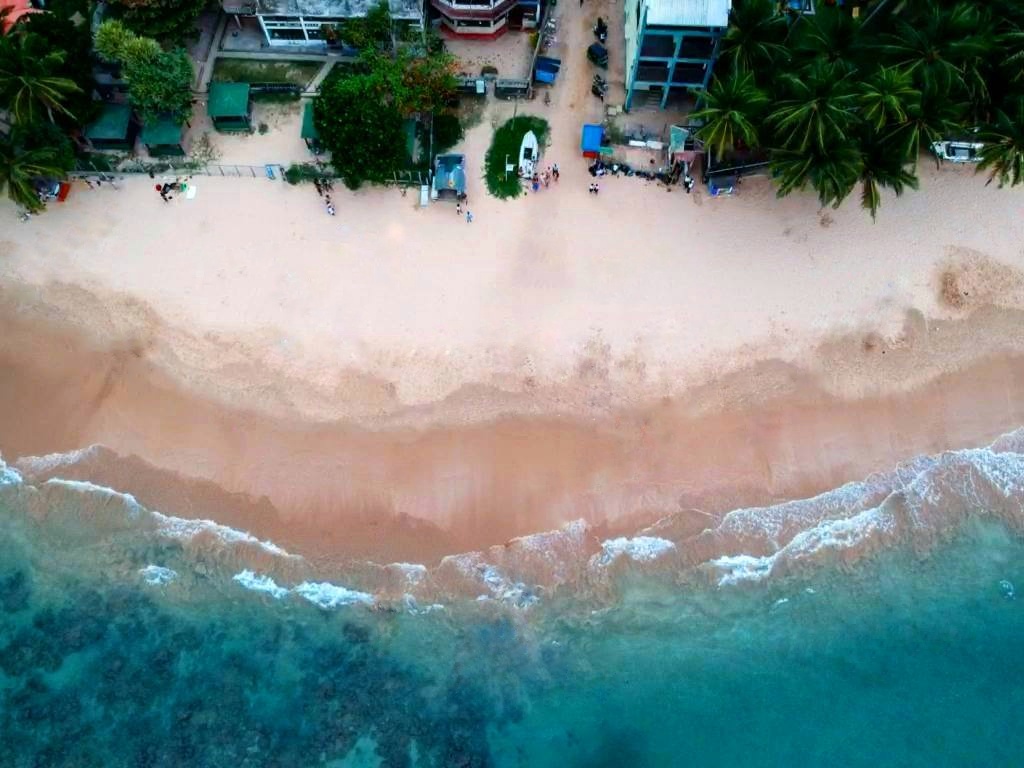
Just 100 km south of Colombo, Hikkaduwa blends a lively surf town vibe with a reef that stretches three kilometres along the shoreline. The reef’s shallow sections (1‑3 m deep) make it ideal for first‑timers, while the “Coral Sanctuary” near the main pier offers a denser coral wall for the more daring. Water temperature stays steady at 27‑29 °C year‑round, and visibility peaks between October and April when the southwest monsoon lifts. Local dive shop “Blue Wave Hikkaduwa” reports that their snorkel groups often spot black‑tip reef sharks, octopuses, and the occasional manta ray during early‑morning trips.
Evidence from recent tourism surveys shows Hikkaduwa ranks second in visitor satisfaction for snorkeling, largely because of its easy access, affordable gear rentals, and vibrant beachfront nightlife.
Call to Action: If you’re staying in Colombo, hop on a train to Hikkaduwa, rent gear on the beach, and spend a lazy afternoon exploring the reef before sunset.
Mirissa: Turtle‑Spotting Paradise
Mirissa’s crescent‑shaped bay shelters a calm, shallow reef that attracts green and hawksbill turtles from November to April. The “Parrot Rock” reef, just 200 m offshore, hosts colorful soft corals and a bustling fish market of damselfish, anthias, and the occasional lionfish. Unlike the crowded Hikkaduwa pier, Mirissa’s reef is accessed via small wooden boats that glide silently, preserving the underwater serenity.
Evidence from the “Sri Lanka Marine Conservation Trust” indicates a 12 % increase in turtle sightings at Mirissa in 2025, thanks to community‑run nesting patrols and reef clean‑ups. The town’s laid‑back vibe, beachfront cafés, and whale‑watching tours make it a well‑rounded base for a snorkeling‑focused holiday.
Call to Action: Join a sunrise turtle‑watch snorkel tour in early December 2026; you’ll likely glide alongside a mother turtle and her hatchlings—an unforgettable moment.
Unawatuna and Galle: The Over‑Hyped Options
Unawatuna and the nearby Galle Fort attract countless travelers, but their reef sections often disappoint serious snorkelers. The coral cover is patchy, and water clarity drops to under 5 meters during the peak tourist season (December‑February). Local dive operators admit that the reef has suffered from repeated anchoring and sand‑silt runoff, reducing fish diversity.
Nevertheless, the area offers a convenient “snorkel‑and‑sightsee” combo for those staying at Galle’s heritage hotels. You can dip your mask for a quick glimpse of damselfish and then wander the UNESCO‑listed fort.
Call to Action: If your itinerary forces you into Unawatuna, limit snorkel time to the early morning when the tide is low and the sand isn’t stirred up by beachgoers.
Arugam Bay and the East Coast Beyond Nilaveli
Arugam Bay is famed for surf, not snorkel, yet its nearby “Coral Island” (Piravee Island) offers a modest reef with vibrant soft corals and occasional barracuda schools. The best time to visit is May‑September, when the east coast enjoys calm seas. Visibility averages 8‑12 meters, sufficient for casual snorkelers who want a change of scenery from Nilaveli.
Evidence from “East Coast Eco‑Tours” shows that visitors who combine a surf session with a short snorkel at Coral Island report higher overall satisfaction than those who only surf.
Call to Action: Schedule a half‑day surf‑snorkel combo in June 2026; rent a surfboard in the morning, then hop on a boat to Piravee Island for an afternoon dip.
Seasonal Snapshot: When to Snorkel Where
Sri Lanka’s monsoon patterns dictate the optimal months for each coast.
• East Coast (Nilaveli, Pigeon Island, Arugam Bay): May‑October offers clear skies, calm seas, and visibility over 15 m.
• South‑West Coast (Hikkaduwa, Mirissa, Unawatuna): October‑April brings gentle breezes and warm water, ideal for reef exploration.
Evidence from the “Sri Lanka Tourism Board 2025 Climate Report” confirms a 20 % increase in snorkeler arrivals during these windows, correlating with reduced plankton blooms and lower wind speeds.
Call to Action: Align your travel dates with the season that matches your chosen beach; this guarantees the best underwater view and the safest conditions.
Gear, Safety, and Sustainable Practices
Snorkeling feels effortless, but safety and reef stewardship matter. Always test your mask for leaks, use a snorkel with a purge valve, and wear fins that fit snugly but don’t restrict ankle movement. Reef‑safe sunscreen (zinc‑oxide or titanium‑oxide based) prevents coral bleaching, while a simple “look, don’t touch” rule protects fragile polyps.
Evidence from the “Global Coral Reef Monitoring Network” shows that reefs with high visitor education programs experience 30 % less coral breakage. Local operators in Nilaveli and Hikkaduwa now provide brief eco‑talks before each trip, a practice travelers should support by choosing responsible tour companies.
Call to Action: Purchase a reusable reef‑safe sunscreen before you depart, and pledge to follow the “Three R’s”: Respect, Reduce, and Recycle while on the beach.
Frequently Asked Questions
Which beach in Sri Lanka offers the clearest water for snorkeling?
Pigeon Island off Nilaveli consistently records the highest visibility—15‑20 meters during the dry season (May‑October). Its protected status, minimal boat traffic, and healthy coral structures keep the water crystal clear, making it the top choice for clear‑water enthusiasts.
Do I need a certification to snorkel at Pigeon Island?
No certification is required for snorkeling, but operators recommend a brief safety briefing and a basic mask‑fit check. If you plan to dive deeper (beyond 5 meters) or explore the wreck sites near Trincomalee, an open‑water dive certification becomes necessary.
How safe is snorkeling with reef sharks at Hikkaduwa?
Black‑tip reef sharks frequent Hikkaduwa’s reef, but they are shy and pose no threat to snorkelers. They usually glide over the sand at a distance of 3‑5 meters. Maintaining a calm demeanor, avoiding sudden movements, and keeping a respectful distance ensures a safe encounter.
Can I see sea turtles at Mirissa year‑round?
Turtle sightings peak between November and April, when green and hawksbill turtles come to feed and nest. Outside this window, water conditions become choppier, and turtles are less active, reducing the likelihood of encounters.
Is snorkeling at Unawatuna suitable for beginners?
Unawatuna’s reef is shallow and calm, making it acceptable for beginners, but the coral is sparse and visibility can be low. For a richer first‑time experience, Hikkaduwa or Mirissa provide more vibrant reefs with better underwater visibility.
What is the best time of day to snorkel for maximum marine life?
Early morning (7 am‑9 am) offers the calmest seas and the most active fish, as many species feed before the sun’s heat drives them deeper. Additionally, fewer boats mean less disturbance, improving visibility and marine‑life sightings.
How do I choose a responsible snorkel tour operator?
Look for operators that provide a pre‑dive eco‑briefing, use reef‑safe sunscreen, enforce “no touching” policies, and contribute a portion of their fees to local marine conservation projects. Reviews on platforms like TripAdvisor and certifications from the “Sri Lanka Marine Conservation Trust” are reliable indicators.
Are there any hidden costs I should anticipate?
Most tours include gear rental, guide, and boat fees, but some may charge extra for marine park entry (e.g., Pigeon Island National Park entry is LKR 500 per person). Always confirm the total price upfront and ask about optional extras such as underwater photography or lunch packages.
Conclusion
If you ask locals, seasoned divers, and marine scientists alike, the answer to “Which beach in Sri Lanka is best for snorkeling?” points unequivocally to Pigeon Island near Nilaveli. Its pristine reef, abundant marine life, and clear waters make it a must‑visit for any snorkeler in 2026. Yet Sri Lanka’s diverse coastline offers alternatives—Hikkaduwa’s lively reef, Mirissa’s turtle‑rich bays, and even the modest coral islands off Arugam Bay—each with its own flavor and budget. By aligning your travel dates with the right season, choosing responsible operators, and respecting the underwater environment, you’ll turn a simple mask‑and‑fin outing into a vivid, unforgettable adventure. Pack your gear, book that boat, and let Sri Lanka’s hidden underwater worlds surprise you.


