
Quick answer: Anuradhapura lies 200 km north of Colombo (≈3‑4 hrs by car).
Anuradhapura, Sri Lanka’s first capital and UNESCO World Heritage site, offers towering stupas, the ancient Jaya Sri Maha Bodhi tree, and a network of sacred ruins. The city spreads over a vast plain, so you can explore by tuk‑tuk, bicycle or private car. Most travelers spend 1‑2 nights, fitting the highlights into a half‑day circuit or a relaxed two‑day itinerary. Respectful dress, shoe removal, and timing your visits to avoid the midday heat make the experience comfortable and rewarding.
1. Arrive By Train Or Bus From Colombo
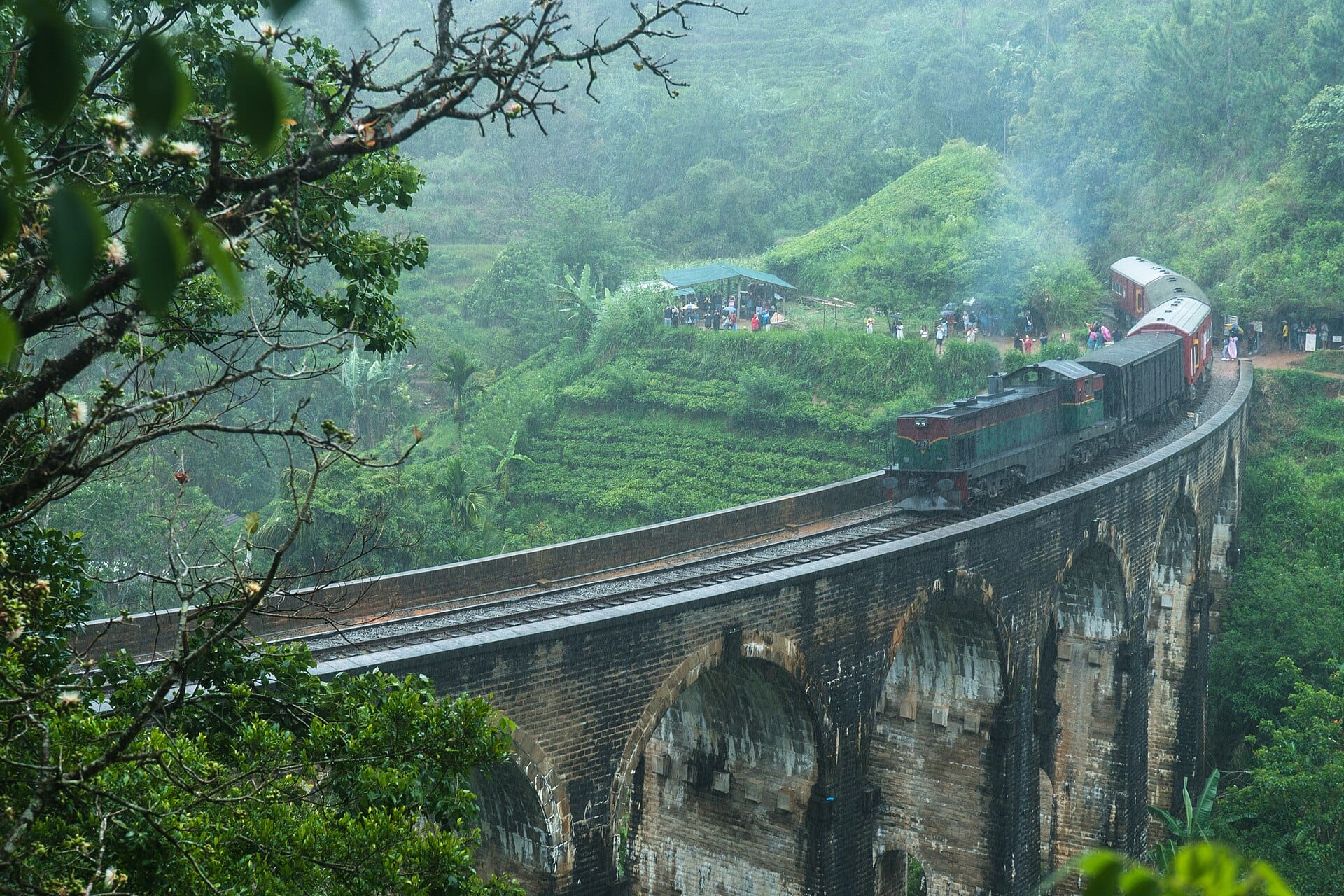
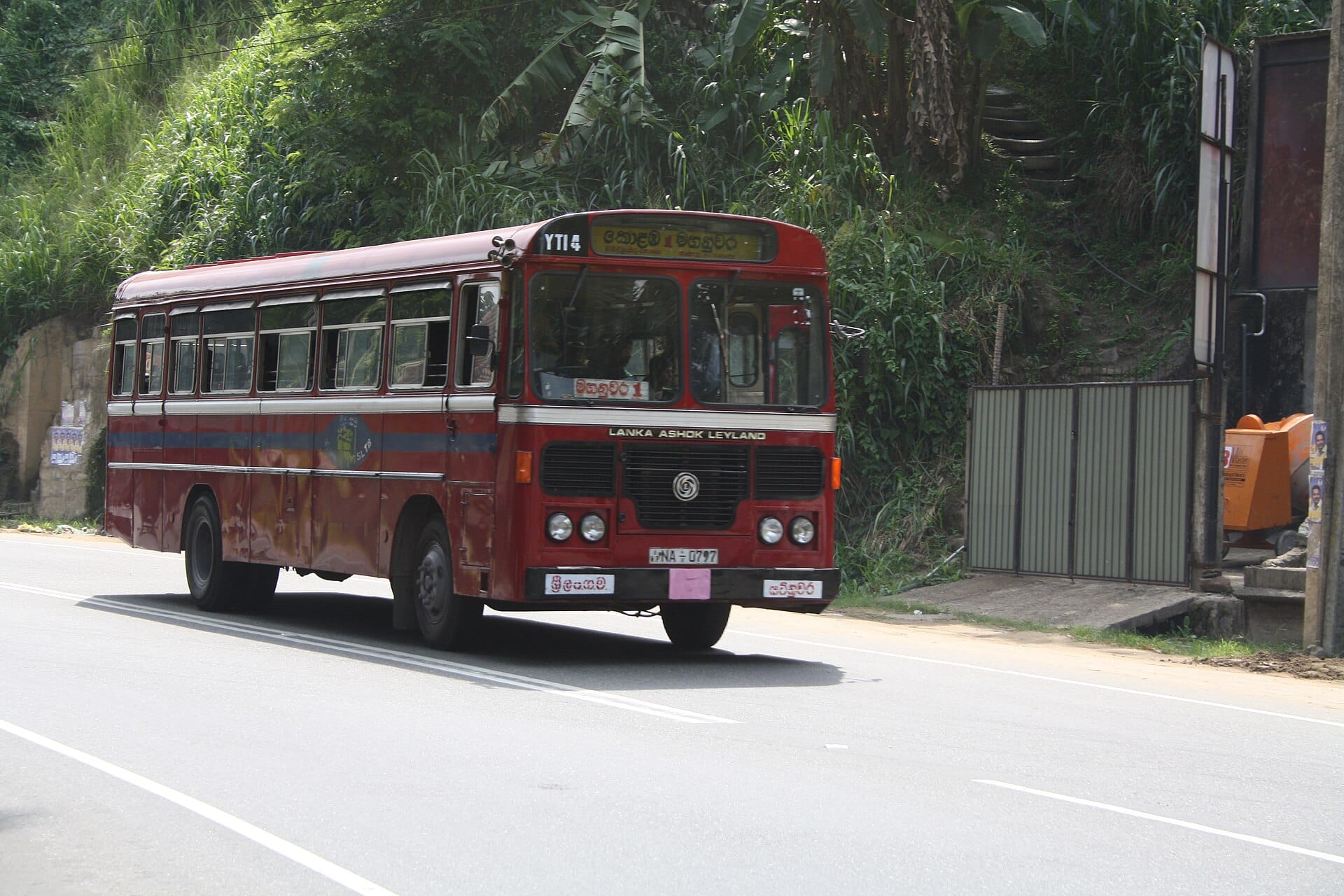
Travelers often choose the scenic train from Colombo Fort to Anuradhapura, a 4‑hour journey that showcases the countryside. Both modes drop you at Anuradhapura’s main bus/train station, within a 10‑minute tuk‑tuk ride to the ancient city gate. Check the latest schedules online, as timings can shift during holidays.
2. Hire a Tuk‑Tuk With a Knowledgeable Driver
A tuk‑tuk provides flexibility to hop between dispersed sites such as Ruwanwelisaya, Thuparamaya, and the Abhayagiri monastery. Many drivers carry a small first‑aid kit and offer bottled water for LKR 120 per litre. This arrangement saves you the hassle of parking and lets you ask spontaneous questions about the history of each stupa. Always agree on the price before starting, and tip around LKR 300 (US$1) for good service.
3. Dress Modestly and Wear Light Colours
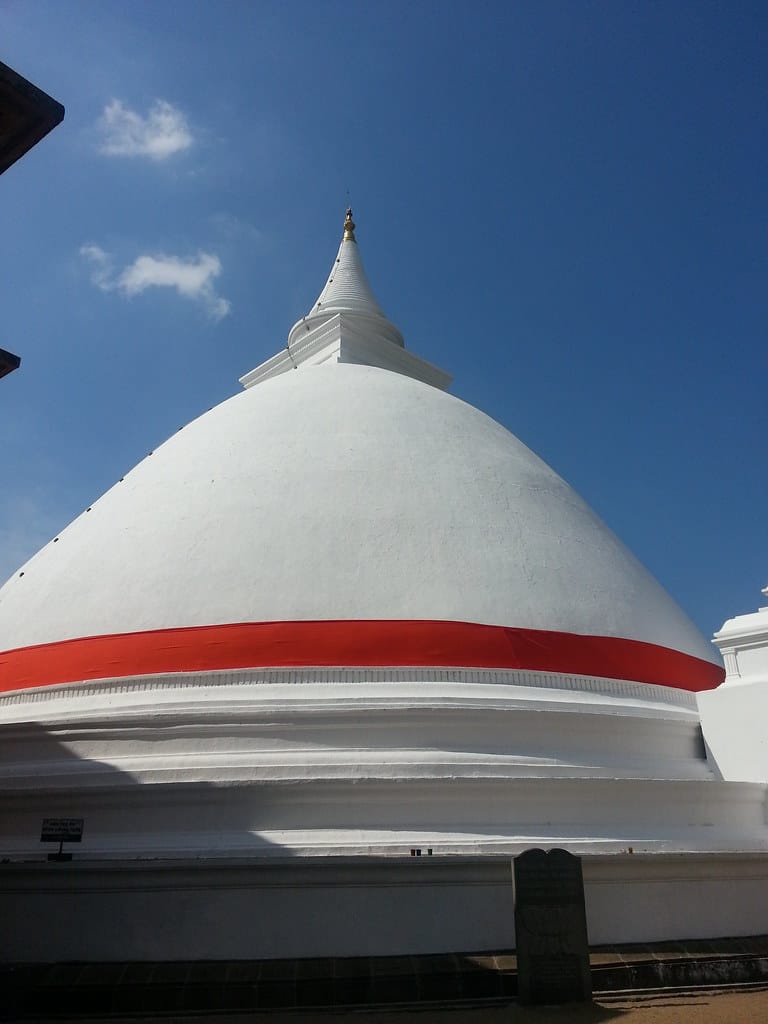
Sri Lankan temples require shoulders and knees covered, and bright white or pastel clothing helps you stay cool while respecting local customs. Pack breathable cotton shirts, long‑sleeve tops, and loose trousers; avoid sleeveless tops, shorts, or tight jeans. A lightweight scarf can double as a head covering if needed. Changing rooms are available at most major temple complexes, but bringing a small bag for your clothes makes the process smoother. Remember to remove shoes and hats before entering any sacred area; a shoe rack is usually provided near the entrance.
4. Visit the Jaya Sri Maha Bodhi Early
The sacred Jaya Sri Maha Bodhi, a sapling of the original Bodhi tree under which Buddha attained enlightenment, draws pilgrims from across the island. Arriving at 6:30 am lets you avoid crowds and the midday heat, and you can witness the serene chanting of monks. Bring a reusable water bottle and a modest tip of LKR 100 for the caretaker if you wish to show appreciation.
5. Explore the Massive Ruwanwelisaya Stupa
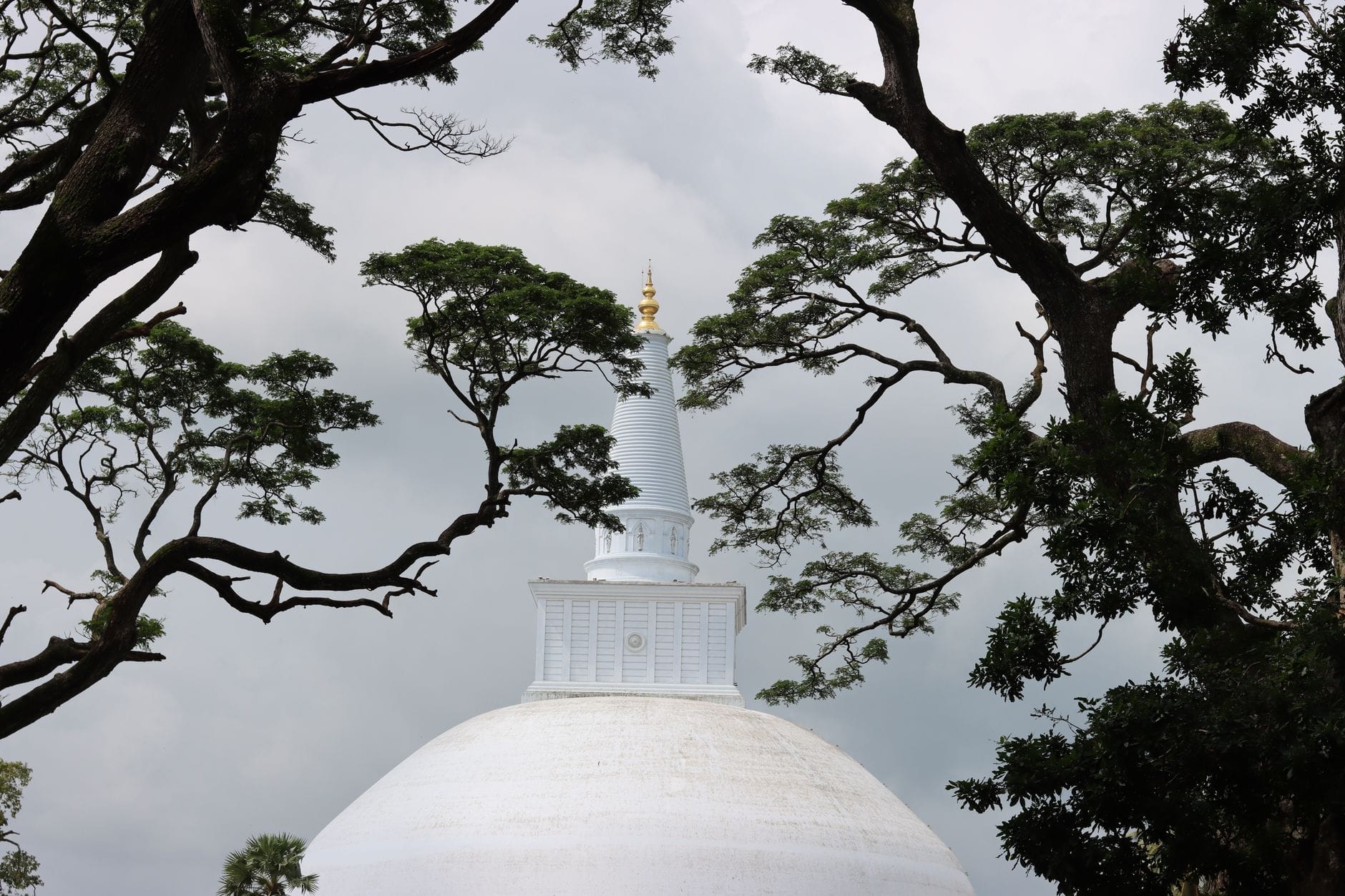
Ruwanwelisaya, a brick stupa built by King Dutugemunu in the 2nd century BC and about 103 m tall, dominates the skyline. Walk clockwise around it on its white terrace; many pilgrims dress in white.
6. Rent a Bicycle for a Slower Pace
The flat terrain and wide streets make it easy to cover the 15‑km stretch between the ancient city walls and the nearby Mihintale hill, where you can watch sunrise over the plains. Bring sunscreen, a hat, and a lock; many shops provide a basic repair kit. Cycling lets you stop at lesser‑known reservoirs like Tissa Wewa, where you can rest in shade and watch local fishermen at work.
7. Sample Traditional Breakfast at a Local Eatery
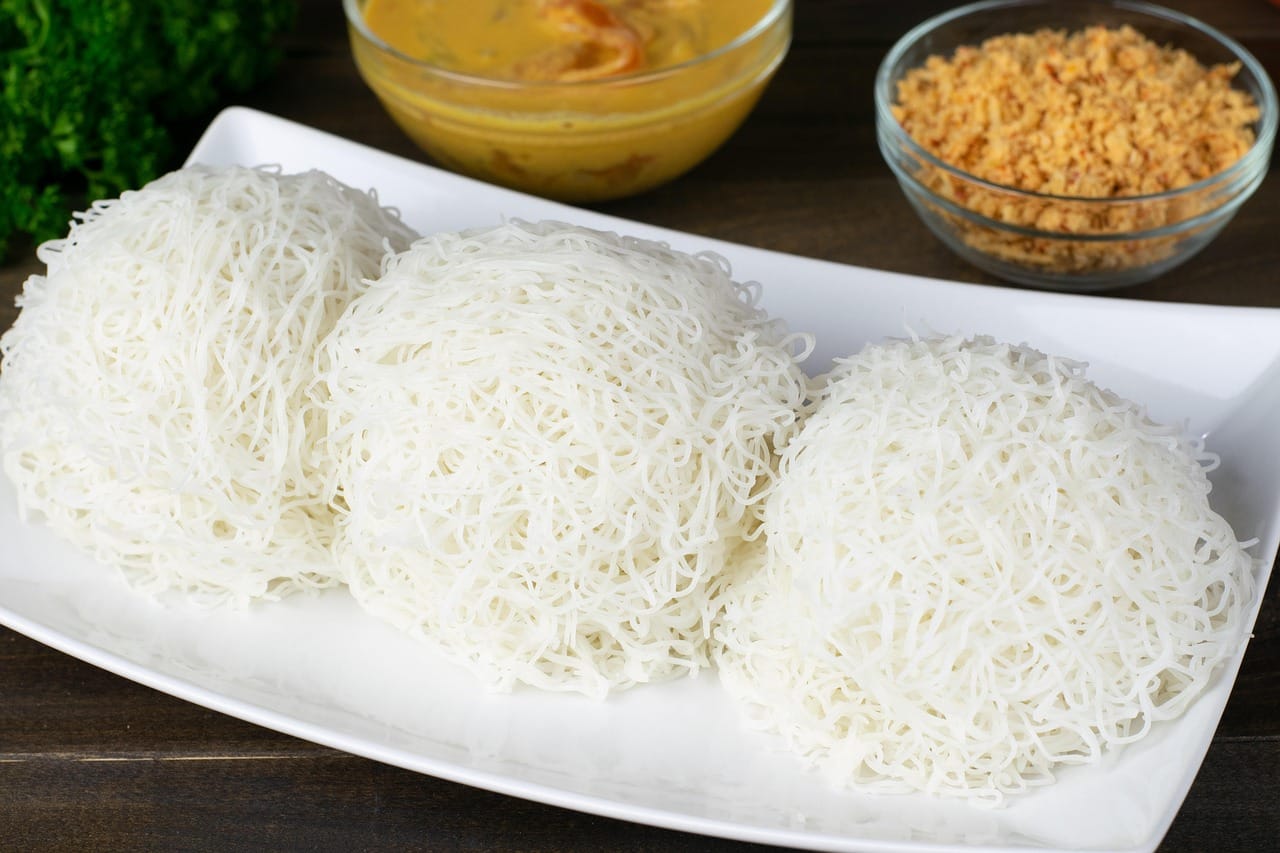
Start your day with a hearty Sri Lankan breakfast of “hoppers” (appa) and “kiribath” (milk rice) at a small restaurant near the Mahavihara site. These eateries usually accept cash only, so keep small change handy. Eating early (around 7 am) ensures you have energy for the day’s temple hopping and avoids the lunchtime rush.
8. Carry Cash for Small Purchases and Tips
While larger hotels accept credit cards, most temple vendors, souvenir stalls, and transport drivers operate on cash. Tipping follows local customs: LKR 300 (US$1) per day for housekeeping, LKR 100‑200 per bag for porters, and about 10 % for guides.
9. Use a Reliable SIM Card for Navigation
This enables offline map downloads, real‑time bus schedules, and quick access to the “e‑services” portal for ticket collection at Sigiriya and Dambulla. Ensure your phone supports plug type G (UK) or bring an adapter, as Sri Lanka uses D and G sockets at 230 V.
10. Plan an Evening Visit to the Moonstone Gate
The Moonstone Gate at the entrance of the ancient palace complex looks spectacular at sunset, when the stone’s polished surface reflects a golden glow. Bring a flashlight for better visibility of the intricate patterns, and wear comfortable shoes for the short, uneven walk.
Quick Checklist
- Book train or bus tickets from Colombo in advance.
- Pack modest, light‑coloured clothing and a scarf.
- Arrive at Jaya Sri Maha Bodhi by 6:30 am.
Location
FAQ
What is the best time of year to visit Anuradhapura?
The dry season from February to April offers clear skies and lower humidity, making temple walks comfortable. Temperatures average 30‑34 °C, so early mornings and late afternoons are ideal for exploring.
Are there any entry fees for the main stupas?
Yes. Foreign adults pay about US$30 for the Anuradhapura sacred city ticket, and visitors from SAARC countries pay about half. Buy it on site and keep it with you while you explore (prices checked November 2026).
Can I bring food or drinks into the temple complexes?
Food and drinks are not allowed inside sacred areas. You may bring a small water bottle, but many visitors buy bottled water (LKR 120 per litre) at stalls near the entrance. Respect the silence and remove shoes before entering.
Is it safe to rent a bicycle for the whole day?
Yes, the flat terrain and low traffic make cycling safe. Most shops provide helmets on request.
What should I tip for a guided tour of the ancient city?
Guides typically receive a 10 % tip on their fee. Always confirm the amount before the tour starts.
Are there any restrictions for photography inside the stupas?
Photography is allowed in most outdoor areas, but flash or tripod use may be prohibited inside inner chambers. Look for signage at each site and ask the staff if you are unsure.
Before You Go
Double‑check the ETA approval on eta.gov.lk and print the confirmation; it grants a 30‑day, double‑entry stay. Pack a reusable water bottle, a hat, sunscreen, and a small amount of cash for tips and small purchases. With these preparations, you’ll experience Anuradhapura’s timeless spirituality and awe‑inspiring architecture without stress.