
Quick answer: Sri Lanka has two monsoons, so pick your region by season: the south-west coast (Colombo, Galle, Mirissa) is driest from December to March, the east coast (Trincomalee, Arugam Bay) from May to September, and the hill country from December to April. Lowland days run 26–33 °C, and tap water isn't safe to drink.
Sri Lanka packs beaches, tea country, ancient cities and national parks into one small island, but the weather changes from coast to coast. These ten tips cover when to go where, what to wear and pack, and the practical details (water, transport, safaris, money and power) that keep a trip running smoothly.
1. Choose the Right Region for the Season
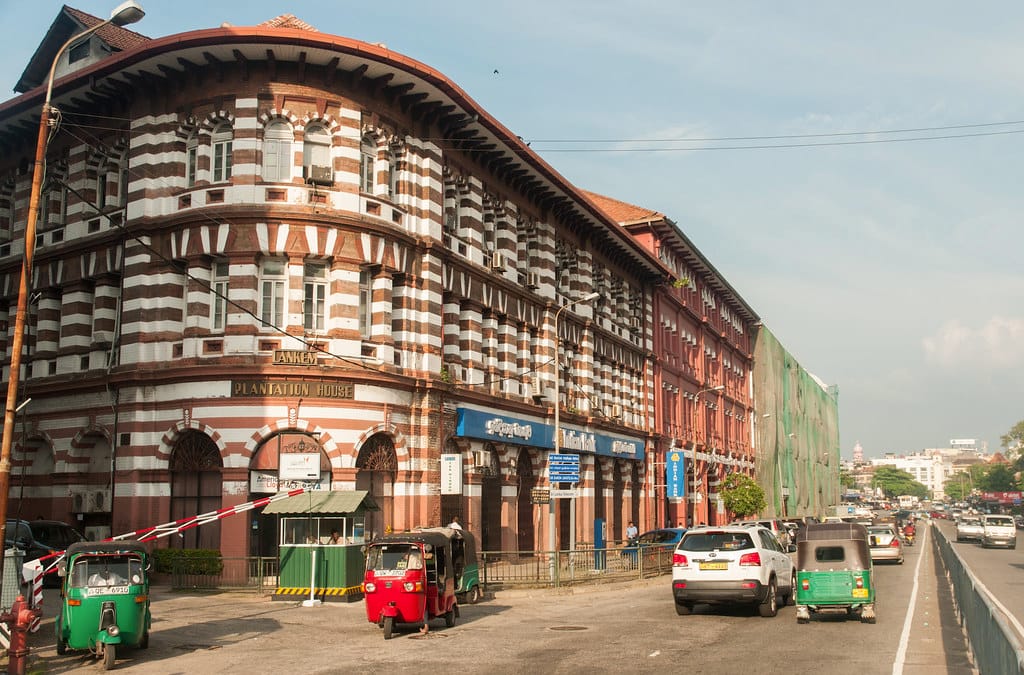
Sri Lanka’s two monsoon systems mean one coast can be drenched while the other basks in sunshine. The south-west monsoon brings rain to Colombo, Galle and Mirissa from about May to September, so plan beach days there between December and March. The north-east monsoon brings rain to Trincomalee and Arugam Bay from roughly October to January, making May to September the window for east-coast surf and snorkeling. In the hill country, the coolest, most comfortable trekking weather is generally between December and April. Aligning your itinerary with these patterns helps you avoid canceled boat trips and rain-soaked bus rides.
2. Dress for Tropical Comfort and Temple Respect
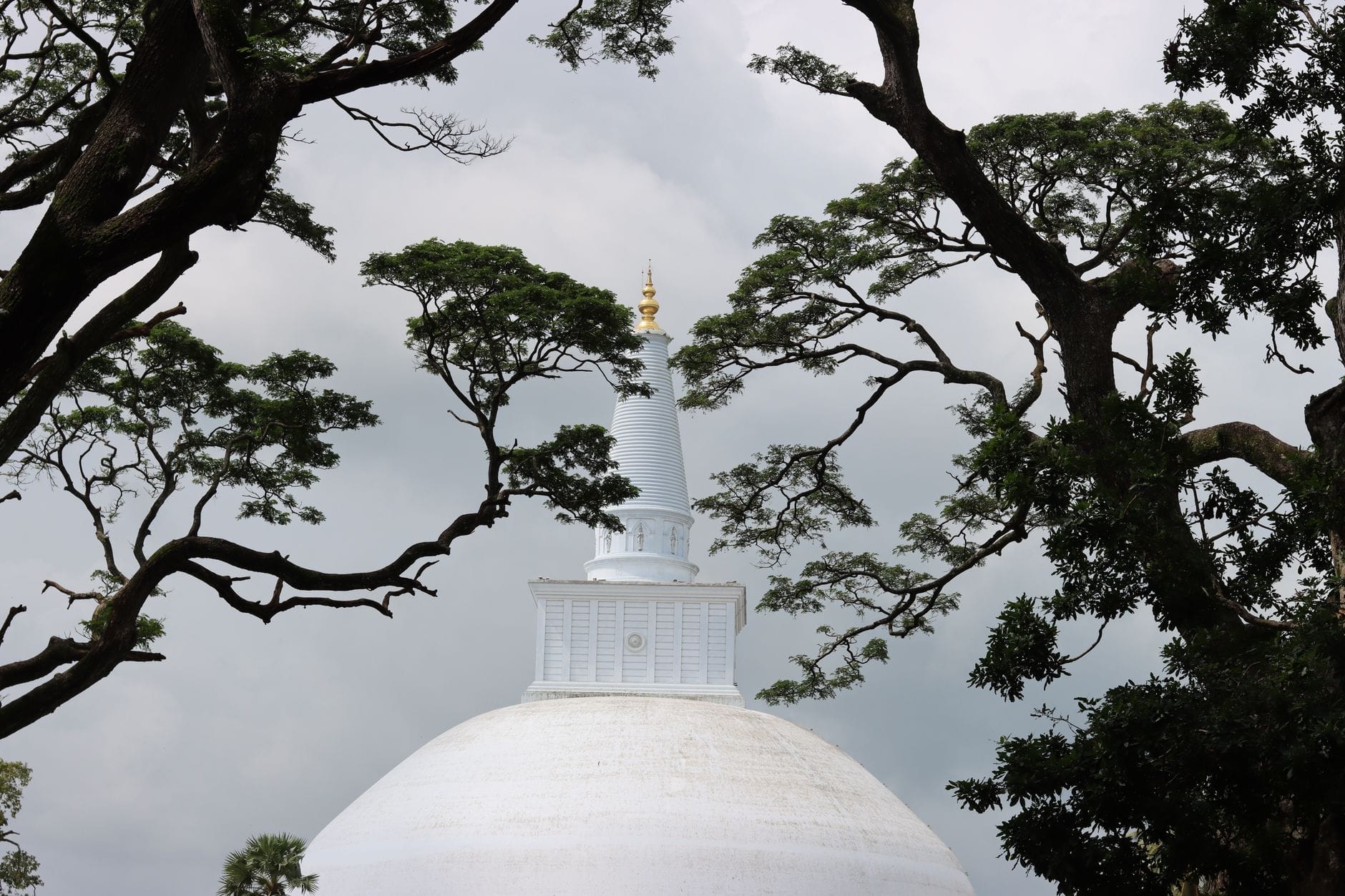
Lowland temperatures hover between 26 and 33 °C (79–91 °F) most of the year, and humidity makes it feel hotter. Choose lightweight, breathable fabrics like cotton or linen in light colors. At sacred sites such as the Temple of the Tooth in Kandy or the Dambulla cave temples, cover your shoulders and knees (long trousers, a long skirt or a sarong work well) and follow temple etiquette by removing your shoes and hat before you enter; sandals that slip off easily make this simpler. A wide-brimmed hat, UV-blocking sunglasses and a compact rain poncho round out a climate-smart wardrobe.
3. Stay Hydrated with Safe Water
Local tap water isn’t safe to drink. Carry a reusable bottle and refill it from trusted sources such as hotel water dispensers, or buy sealed bottled water (about LKR 120 for a 1-liter bottle). Drinking regularly helps prevent heat exhaustion, especially on early-morning hikes up Ella’s Little Adam’s Peak or long days at coastal sites.
4. Pack Serious Sun Protection
The midday sun is strong all year, and the weeks before the south-west monsoon (around March to May) are usually the hottest, especially on exposed beaches. Use a reef-safe sunscreen with SPF 30 or higher, reapply every two hours and after swimming, and don’t forget a lip balm with SPF. A lightweight, UPF-rated shirt adds an extra shield on long walks through the tea plantations near Nuwara Eliya. Clouds don’t block UV, so keep protection handy on overcast days too.
5. Plan Road and Rail Transfers
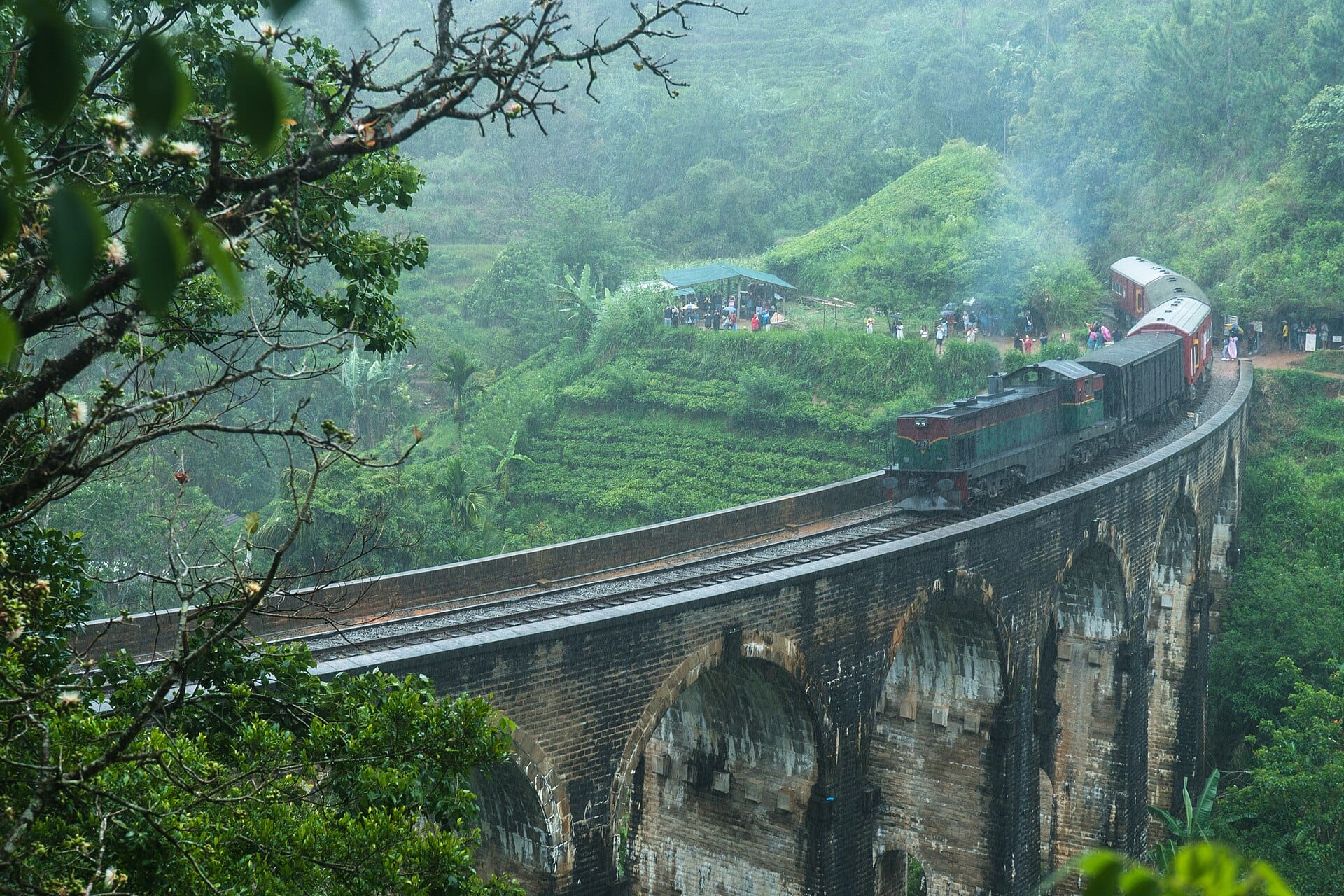
Colombo to Kandy is about 115 km and takes 3–4 hours by car; a private car or taxi typically costs LKR 12,000–20,000. The scenic hill-country train is a highlight, but as of October 2026 there is no through train from Kandy to Ella: the Kandy–Nanu Oya section is under repair, so travel from Kandy to Nanu Oya by road and take the train from Nanu Oya to Ella. Reserved seats go on sale 30 days ahead. During the monsoons, roads can be slow, so allow extra travel time.
6. Time Your Wildlife Safaris Wisely
The prime wildlife window in Yala National Park runs from February to June, when leopards, elephants and sloth bears are easier to spot. National parks open from 6 am to 6 pm and ticket counters close at 4 pm, so arrive at the gate by 6 am for the first game drive, when the light is soft and crowds are thinner. Entry for foreign adults is about US$25 plus 18% tax. Bring binoculars, a hat and a light jacket for the cool morning air. Night drives are not allowed inside national parks, so plan all wildlife viewing within daylight hours.
7. Embrace Local Cuisine Safely
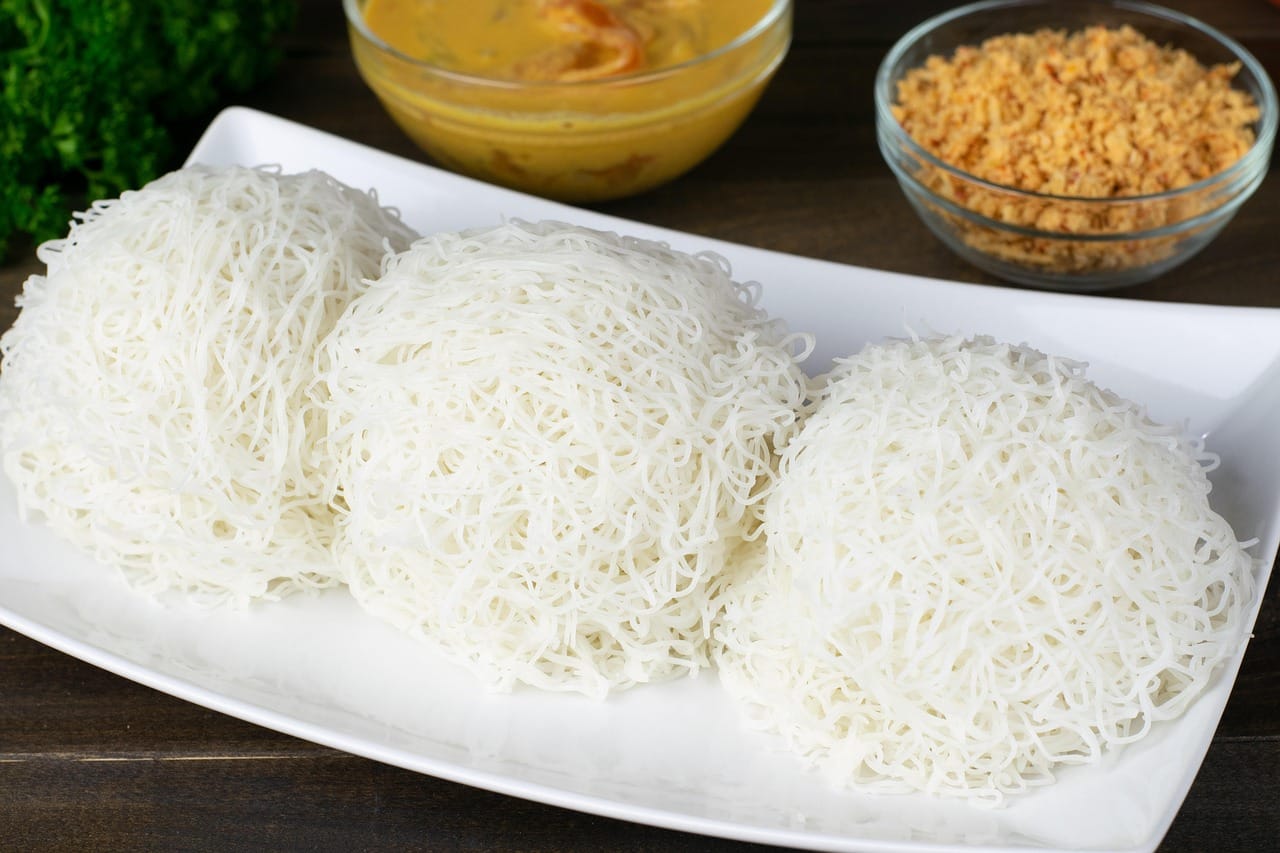
Sri Lankan food bursts with spice, coconut and fresh seafood. To avoid stomach upsets, choose stalls with high turnover and watch food being cooked fresh in front of you. Drink only bottled or filtered water, and skip ice unless you’re sure it’s made from purified water. If you have a sensitive stomach, start with milder dishes like rice and dhal before tackling fiery devilled dishes.
8. Protect Against Mosquito-Borne Illnesses
Dengue fever, one of the main health risks for travelers in Sri Lanka, circulates especially during the rainy monsoon periods. The mosquitoes that spread it bite mainly during the day, so use insect repellent from morning to evening, and wear long sleeves and trousers around dawn and dusk, for example in Trincomalee’s mangroves or on tea-estate walks. A mosquito net isn’t always necessary in hotels, but it adds peace of mind in budget guesthouses. Keep a small first-aid kit with oral rehydration salts, as heat and humidity can cause dehydration fast.
9. Keep Cash Handy, but Use Cards Wisely
Sri Lanka’s currency is the rupee (LKR), at roughly LKR 300 to US$1. Small purchases such as tuk-tuk rides, market snacks or temple donations are best paid in cash. Banknotes start at LKR 20 and LKR 10 is a coin, so keep small notes handy. Hotels, larger restaurants and supermarkets usually accept cards; carry a backup card in case one is blocked.
10. Prepare for Power and Connectivity
Sri Lanka uses plug types D and G at 230 V. UK plugs fit type G sockets, while travelers from the US or Canada need a plug adapter and devices rated for 230 V (most phone and laptop chargers are dual-voltage). Download offline maps before you go, as signal can drop in remote areas such as the highlands near Ella.
Quick Checklist
- Pack lightweight, breathable clothing and a rain poncho.
- Bring a reusable water bottle with a purifier.
- Stock up on SPF 30+ sunscreen and insect repellent.
- Reserve hill-country train seats up to 30 days ahead, and plan the Kandy–Nanu Oya leg by road.
- Carry cash in small denominations; keep a backup card.
- Pack a type D/G plug adapter and download offline maps.
- Check monsoon forecasts a week before departure.
FAQ
When is the best time to visit the south-west coast?
December to March is the dry season on the south-west coast, with calmer seas for whale watching off Mirissa and the best beach weather in Colombo and Galle. From about May to September, the south-west monsoon brings rain and rough seas.
How can I avoid getting sick from the water?
Don’t drink tap water. Buy sealed bottled water (about LKR 120 for a 1-liter bottle) or use a bottle with a built-in purifier, refill from hotel dispensers, and skip ice unless you know it’s made from purified water.
What should I wear when entering temples?
Cover your shoulders and knees: long trousers, a long skirt or a sarong all work. Remove your shoes and hat before entering, so sandals that slip off easily are the most practical footwear for temple visits.
Are night drives allowed in Yala National Park?
No. Sri Lanka’s national parks, including Yala, are open from 6 am to 6 pm, ticket counters close at 4 pm, and night drives inside the parks are not allowed. Book an early-morning game drive instead.
How much does a private taxi cost from Colombo to Kandy?
A private car or taxi from Colombo to Kandy typically costs LKR 12,000–20,000 (about US$40–67) for the roughly 115 km trip, which takes 3–4 hours. Agree on the fare before you set off.
What plugs and voltage does Sri Lanka use?
Sri Lanka uses plug types D and G at 230 V. UK plugs fit type G sockets; travelers from the US or Canada need a plug adapter, and their devices must be rated for 230 V or be dual-voltage.
Is it safe to travel alone as a solo female traveler?
Many women travel Sri Lanka solo. Take the usual precautions: dress modestly, stick to well-lit areas at night, keep valuables secure and use registered transport. In an emergency, call Police on 119 or Tourist Police on 1912.
Plan Around the Monsoons
Match each region to its dry season (the south-west coast from December to March, the east coast from May to September), pack light, sun-safe clothing, carry cash and safe water, and leave slack in your schedule for slow roads and the road transfer to Nanu Oya.