
Introduction
British travellers often picture tea‑filled hills, golden beaches and ancient rock forts when they think of Sri Lanka. The island, just a twelve‑hour flight away via the Gulf or Europe, offers a compact yet wildly varied playground: bustling Colombo, misty tea plantations around Kandy, the UNESCO‑listed fortress of Galle, and surf‑loving Arugam Bay on the east coast. With a free ETA for UK passports, a modest 30‑day double‑entry allowance and a time zone five and a half hours ahead of GMT, the logistics are straightforward. Yet a savvy visitor still needs to know where to park the rental car, which plug adapter to pack and how the tropical climate compares with a British summer. This guide walks you through the eight must‑see destinations, with practical advice along the way, so you can plan a trip that feels both adventurous and comfortably familiar.
Colombo – The Gateway With a Bang
Colombo greets you with a kaleidoscope of markets, colonial buildings and a skyline that rivals any London borough, albeit with more palm trees. Start at the bustling Pettah market, where you can haggle for spices that smell like a spice‑laden version of Borough Market. Then stroll to the Dutch Hospital precinct, now a sleek dining hub housed in a 17th‑century building – perfect for a post‑flight fish‑and‑chips upgrade with a side of hoppers. The National Museum offers a quick history lesson, reminding you that Sri Lanka was once called Ceylon, a name that still appears on vintage tea tins back home.
- Colombo sets the tone for your Sri Lankan adventure, blending colonial charm with modern vibrancy.
- Attractions like the Dutch Hospital and Pettah market showcase both history and contemporary life.
- Spend at least two days exploring Colombo’s neighborhoods, then hop on a private car (LKR 12,000‑20,000) to your next destination.
Kandy – The Cultural Heartbeat
Nestled amid rolling hills, Kandy feels like a British hill‑station transplanted to the tropics. The city’s crown jewel is the Temple of the Sacred Tooth Relic, where a golden casket houses a tooth of the Buddha – a pilgrimage site that draws locals and tourists alike. Wander through the Royal Botanical Gardens of Peradeniya, a sprawling 60‑hectare oasis that even the British Royal Family once visited. The gardens hold around 4,000 plant species, including a fine orchid collection that would make Kew Gardens blush.
- Kandy offers a serene cultural immersion with easy access to tea plantations.
- The Temple of the Tooth is part of the UNESCO-listed Sacred City of Kandy, and the Peradeniya gardens are a short drive away.
- Allocate a full day for the temple ceremony and an afternoon in the gardens; for the scenic train to Ella, note that trains currently run only between Nanu Oya and Ella while the Kandy to Nanu Oya section is repaired, so travel to Nanu Oya by road first.
Galle – Fortified Coastal Charm
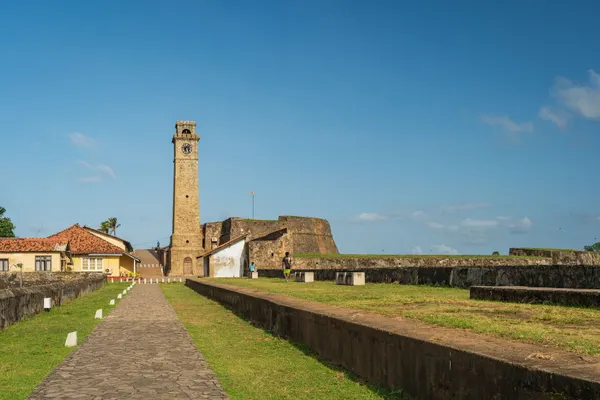
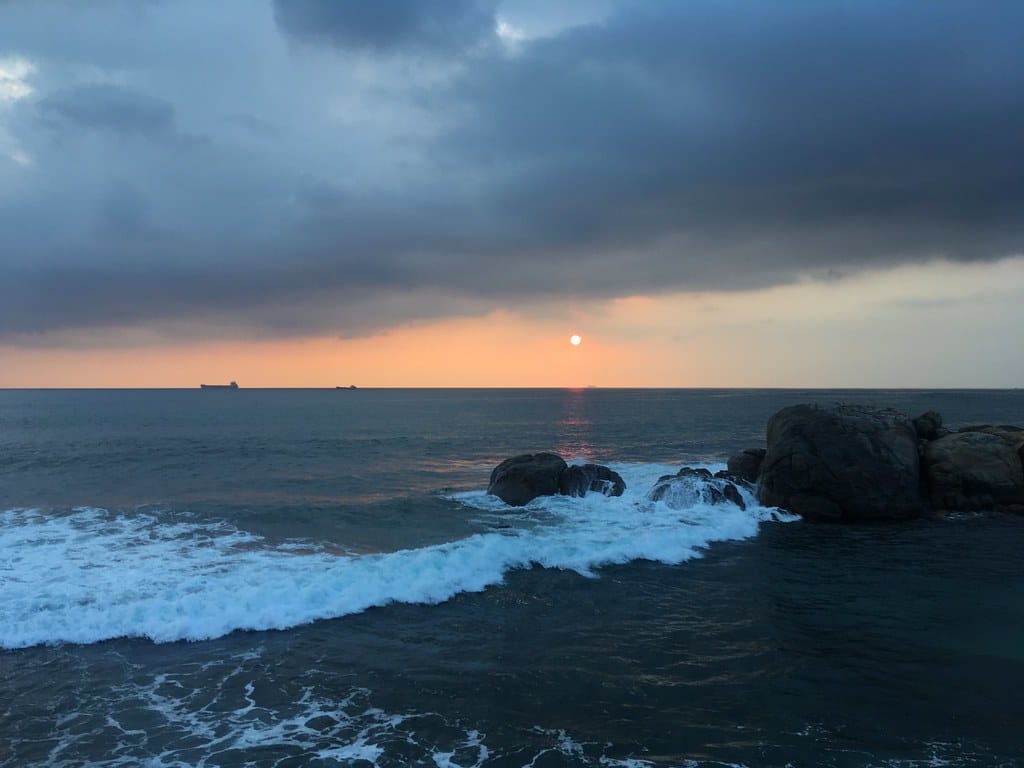
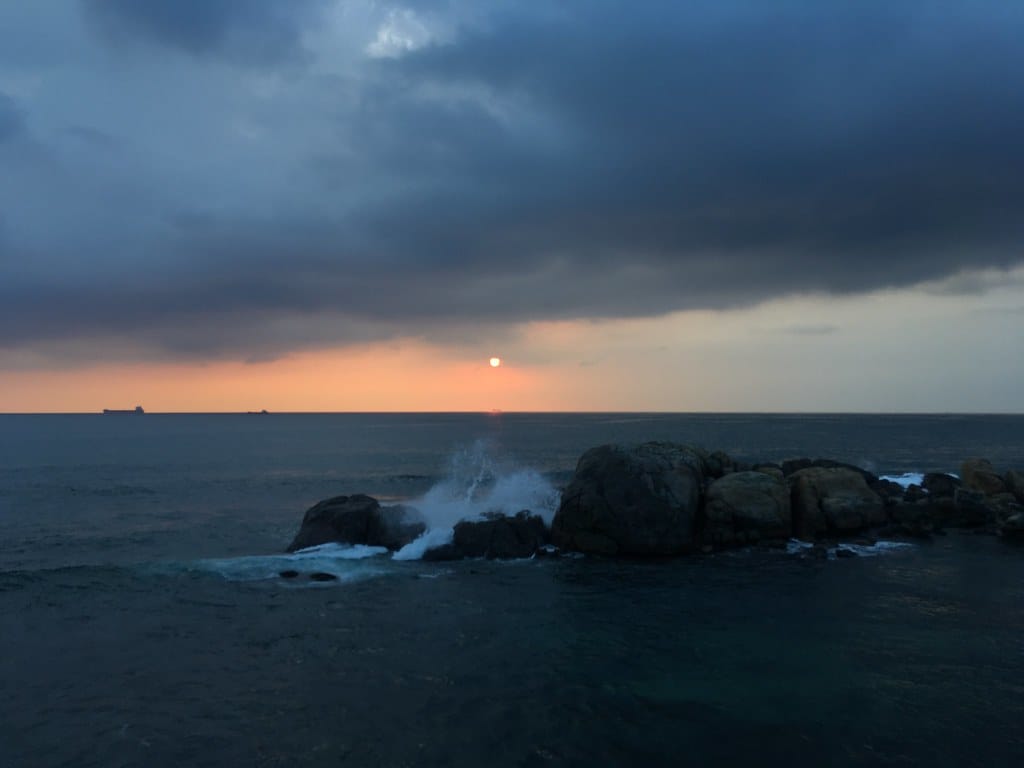
Galle’s Dutch Fort is a UNESCO World Heritage site that feels like stepping onto a set of “Doctor Who” – but with fewer Daleks and more boutique cafés. The cobbled streets are lined with pastel‑coloured houses, art galleries, and souvenir stalls selling hand‑woven sarongs that rival any Camden Market find. From the fort’s ramparts, you can watch fishing boats bobbing in the Indian Ocean, a reminder that this town has been a maritime hub for centuries.
- Galle blends history, beach vibes and Instagram‑ready scenery.
- The well‑preserved fortifications and vibrant local arts scene attract travellers worldwide.
- Spend a leisurely afternoon exploring the fort, then head south to Unawatuna for sunset.
Ella – Tea‑Country Tranquility
If you ever wanted to feel like you were on a misty British moor, ride the train (or hire a driver) to Ella, a tiny town perched above tea estates. The highlight is the iconic “Nine Arches Bridge,” a colonial-era railway bridge that arches gracefully over a lush valley. Hike up Little Adam’s Peak for a panoramic view that rivals any Scottish highland vista, and reward yourself with a cup of Ceylon tea at a local plantation house.
- Ella provides a peaceful escape with breathtaking landscapes.
- The Nine Arches Bridge and Little Adam’s Peak are must‑see natural landmarks.
- Pack comfortable walking shoes and set aside a half‑day for the hike and tea tasting.
Sigiriya – The Lion‑Rock Marvel
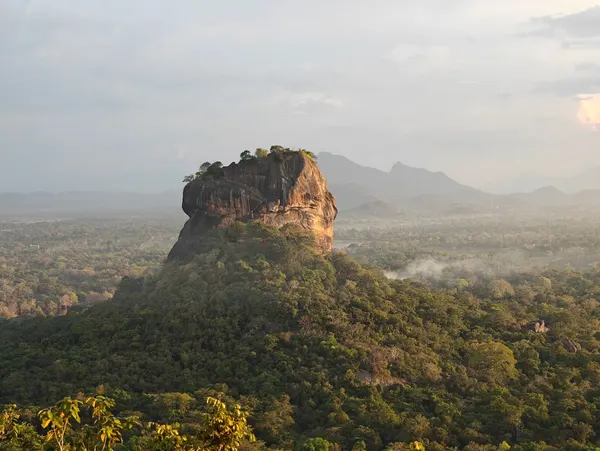
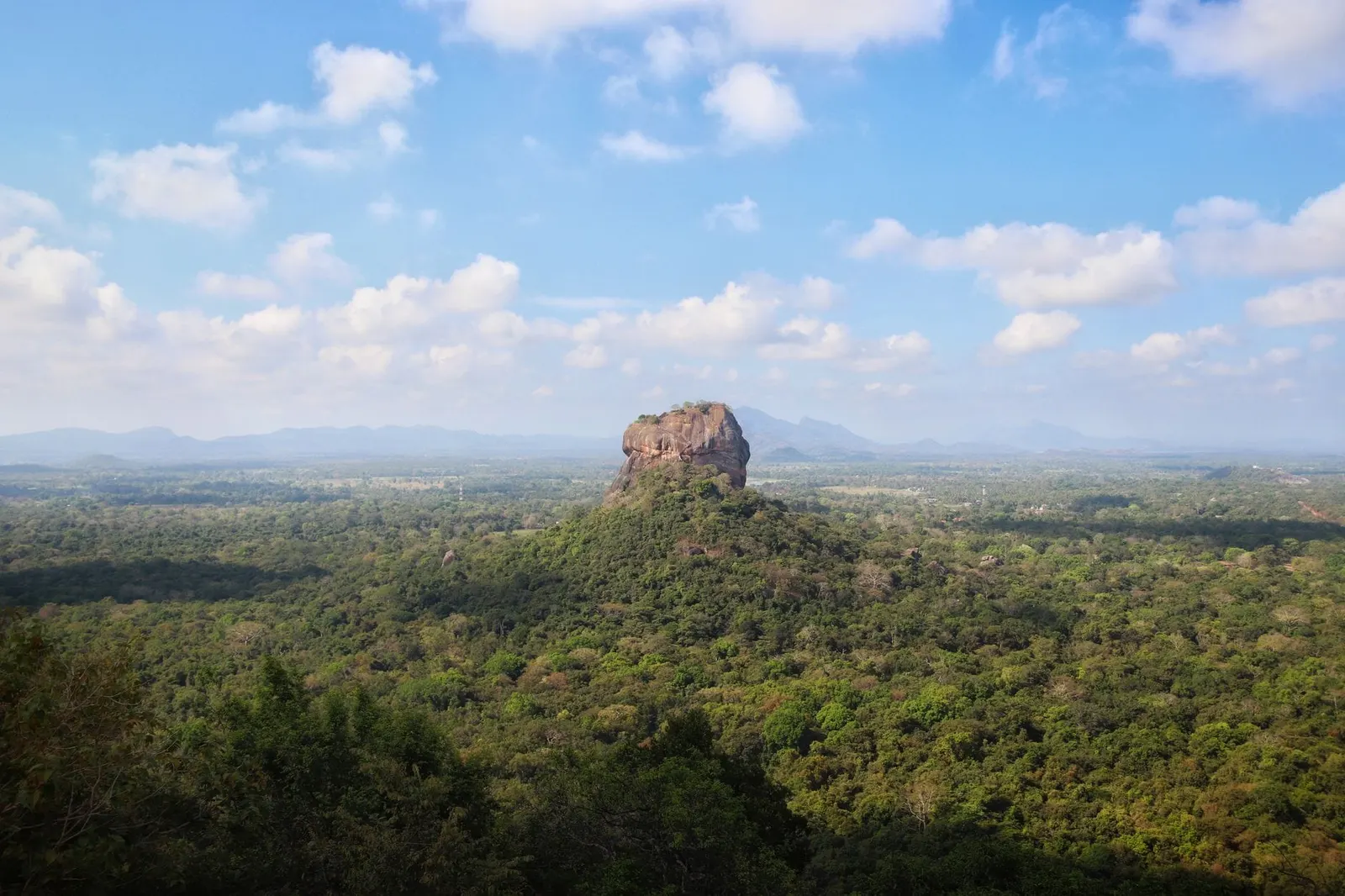
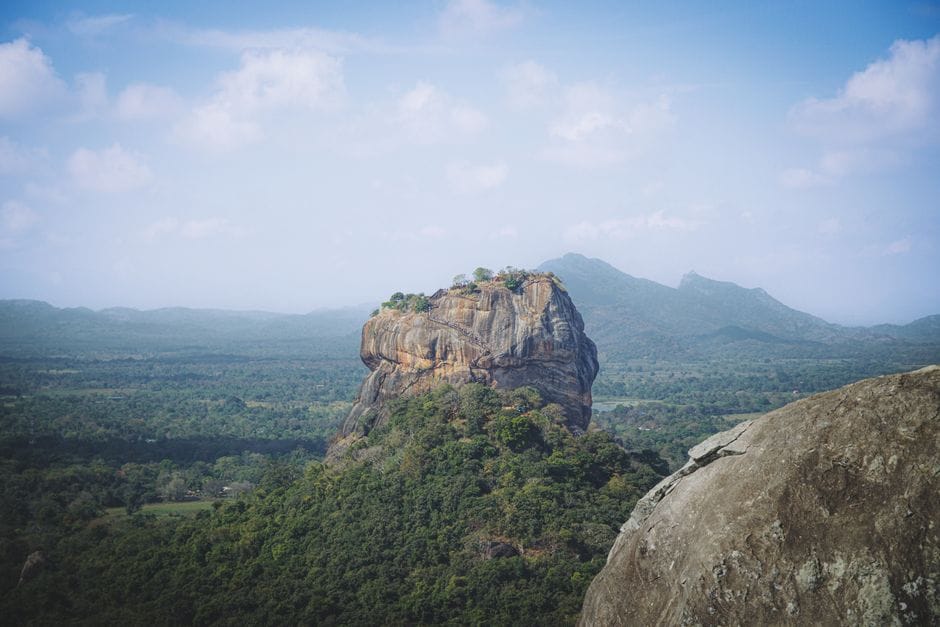
Perched 200 m above the surrounding plains, Sigiriya is an ancient rock fortress that looks like a giant lion crouching over the jungle. The climb involves a steep staircase flanked by frescoes of celestial maidens, reminiscent of the Sistine Chapel but with a tropical twist. At the summit, the panoramic view stretches across the Cultural Triangle, offering a bird’s‑eye glimpse of nearby ruins. Entry for foreign adults costs about US $35, with tickets available online via e‑services.ccf.gov.lk.
- Sigiriya combines adventure, history, and stunning vistas.
- The UNESCO‑listed site draws thousands of visitors each year for its unique architecture.
- Arrive early to beat the heat and crowds; bring water and a hat, then celebrate your ascent with a traditional Sri Lankan meal.
Mirissa – Whale‑Watching Wonder
Mirissa’s crescent‑shaped beach is famous for seasonal whale‑watching tours that spot blue and sperm whales off the coast. The town also boasts a relaxed vibe, with beachfront bars serving cold King Coconut drinks (just a splash of lime, please). There are no lifeguards and rip currents form on rough days, so swim only where locals swim and stay out when red flags or big waves appear.
- Mirissa offers marine wildlife and laid‑back beach life.
- Guided whale‑watching tours operate from November to April, delivering unforgettable sightings.
- Book a reputable boat through your hotel or a local operator, and remember to bring a waterproof camera.
Unawatuna – Rope‑Swing Paradise
Just a short drive from Galle, Unawatuna is a small bay famous for its soft sand, clear water and, surprisingly, rope swings dangling from palm trees at neighbouring Dalawella. The swings have become a social media sensation, drawing tourists who want to capture the perfect mid‑air shot. After a swing session, stroll along the promenade to sample fresh seafood – the grilled king prawn is a local favourite that pairs nicely with a cold pint.
- Unawatuna blends beach fun with quirky attractions.
- The rope‑swing phenomenon has boosted the bay’s popularity among younger travellers.
- Arrive early to avoid the crowds, and keep an eye on tide times for the safest swing experience.
Arugam Bay – Surf’s Up on the East Coast
Arugam Bay is Sri Lanka’s premier surf destination, offering consistent swells that attract both beginners and seasoned pros. The laid‑back vibe, surf schools, and beachfront hostels make it easy to catch a wave without breaking the bank. The best surf season runs from April to October, when the Indian Ocean delivers steady breakers. When you’re not in the water, explore the nearby Kumana National Park for birdwatching – it’s a great way to rest your legs.
- Arugam Bay provides world‑class surfing and relaxed coastal living.
- The bay hosts international surf competitions and boasts a vibrant surf community.
- Rent a board from a local shop, sign up for a lesson if needed, and enjoy the sunset over the bay after a day on the water.
Practical Tips for British Travellers
Visas and ETA – UK passport holders enjoy a free Electronic Travel Authorization (ETA) that grants 30 days double entry. Apply online at eta.gov.lk before you depart; the process takes minutes, and there’s no fee.
Flights – SriLankan Airlines flies nonstop from London to Colombo; other airlines connect via Doha, Dubai, Istanbul or Singapore. Always check current schedules before booking.
Plug Adapters – Sri Lanka uses type G sockets, which take UK plugs, and some older type D sockets. A small universal adapter covers both.
Currency – The exchange rate hovers around LKR 300 per US $1. A 1‑litre bottled water costs about LKR 120, so budget accordingly.
Time Zone – Sri Lanka operates on UTC +5:30, meaning it is 5½ hours ahead of London in winter and 4½ hours ahead during British Summer Time.
Seasonality – The south‑west coast (Mirissa, Unawatuna) enjoys sunny weather from November to April, while the east coast (Arugam Bay) shines from May to September. Pack light clothing, a rain jacket for occasional showers, and sunscreen – the tropical sun is relentless.
Tipping – A 10 % service charge is often added to restaurant and hotel bills. Extra tips of LKR 300 per day for housekeeping, LKR 100‑200 per bag for porters, and US $5‑10 per day for drivers are customary.
FAQ
What is the best time of year for a British family to visit Sri Lanka?
The ideal window depends on the region you plan to explore. For a classic beach holiday on the south‑west coast (Mirissa, Unawatuna, Galle), aim for November to April when the weather is dry and sunny. If surfing at Arugam Bay is high on your list, schedule your trip between May and September, when the east coast receives steady swells and minimal rain. The hill country (Kandy, Ella) remains pleasant year‑round, with temperatures ranging from 15‑25 °C, making it a comfortable escape from a British summer heatwave.
How do I obtain a visa, and how much does it cost?
British passport holders must apply for an Electronic Travel Authorization (ETA) online at eta.gov.lk before departure. The ETA is free for UK nationals and grants a 30‑day double‑entry stay. No additional visa fee applies, but always double‑check the latest requirements on the official website before you travel.
Are there any health or safety concerns I should be aware of?
Sri Lanka is generally safe for tourists, but standard precautions apply. Drink bottled water (maximum retail price about LKR 120 for a litre) and avoid ice in drinks unless you’re sure it’s made from purified water. Keep an eye on your belongings in crowded markets, and use reputable taxi services or pre‑booked private cars. Emergency numbers are Police 119, Ambulance 1990 (Suwa Seriya), Fire 110, and Tourist Police 1912.
What currency should I carry, and how do I handle payments?
The Sri Lankan rupee (LKR) is the official currency. Credit cards are widely accepted in hotels, larger restaurants and shops in major cities, but cash is king in markets and rural areas. ATMs mostly dispense LKR 1,000 and 5,000 notes, so break them into smaller notes for tips (LKR 300 per day for housekeeping is typical). Exchange rates hover around LKR 300 per US $1, so plan a budget accordingly.
Can I drive myself, and what are the road conditions like?
Driving is possible with an International Driving Permit (IDP) alongside your UK licence. Roads between major cities are generally in good condition, though mountain routes can be winding and steep. Private car hires cost LKR 12,000‑20,000 for a Colombo‑Kandy transfer. Remember Sri Lanka drives on the left, the same as the UK, so you’ll feel at home behind the wheel.
Is it easy to find vegetarian or vegan food?
Absolutely. Sri Lankan cuisine offers many vegetarian staples such as “string hoppers” (steamed rice noodles), “dhal” (lentil curry) and “mallung” (shredded coconut salad). Many restaurants label dishes as “vegetarian” or “vegan,” and you can request “no fish” or “no meat” without fuss. For vegans, curries are usually made with coconut milk; ask cooks to leave out Maldive fish, the dried fish flakes often added to sambols and curries.
What are the best ways to stay connected to the internet?
You can buy a travel eSIM online before you depart, or pick up a local Dialog, Mobitel or Hutch SIM at the airport arrivals hall. Either option keep you online for navigation, booking confirmations and sharing those envy‑inducing Instagram shots.
Are there any cultural etiquette tips I should follow?
Sri Lankans value politeness and modest dress, especially at religious sites. Remove shoes before entering temples, cover shoulders and knees, and avoid pointing your feet at statues. When greeting, a simple “Ayubowan” (hello) is appreciated. Tipping is customary, with a 10 % service charge often added to bills; a small extra tip for good service is a nice gesture.
Conclusion
Sri Lanka delivers a punchy mix of history, nature and beach bliss that feels tailor‑made for British travellers seeking both adventure and comfort. From the bustling streets of Colombo to the surf‑filled waves of Arugam Bay, each destination offers a distinct slice of island life, all within a few hours’ drive of each other. With a free ETA, familiar plug types and a time zone that lets you enjoy evenings while the UK is still waking up, the logistical hurdles are minimal. Pack your adapters, brush up on a few local customs, and set your sights on the lion‑rocked heights of Sigiriya or the rope‑swinging fun of Unawatuna. Sri Lanka awaits – and it’s ready to show you a world where tea, turtles and towering temples sit side by side with the warm hospitality that will make you feel right at home.