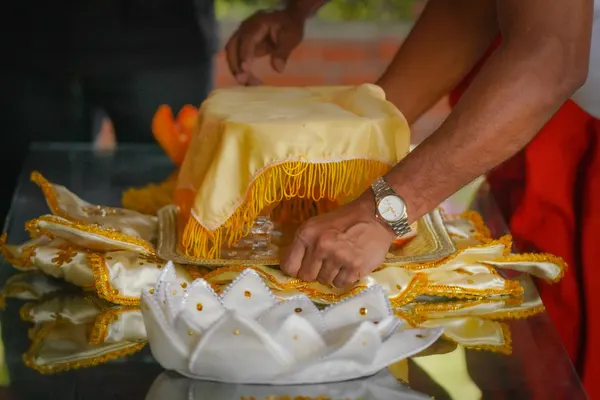

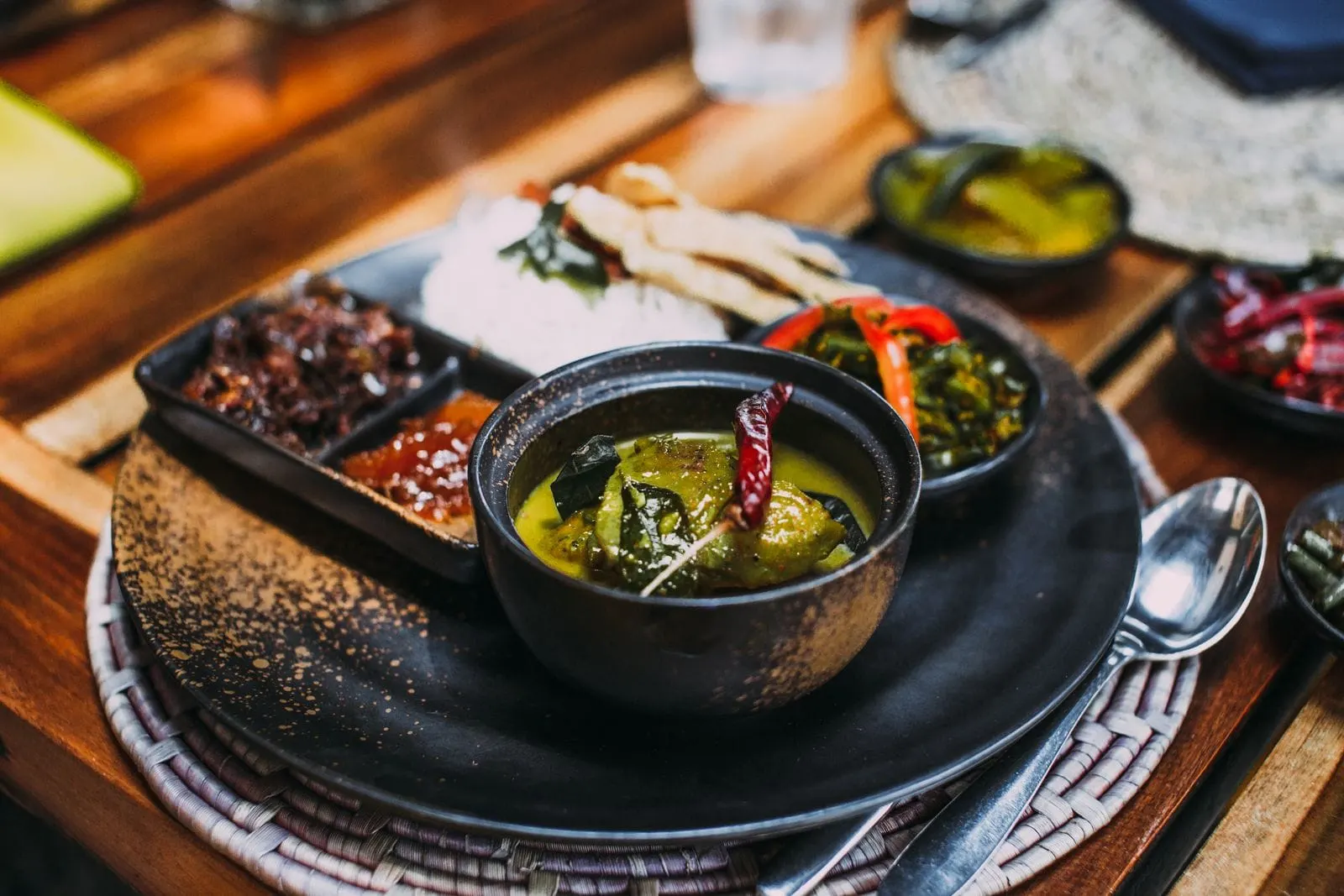
A cooking class is one of the easiest ways to understand Sri Lankan food, and Kandy is a good place to take one. The hill-country capital has a busy central market, families who teach rice and curry in their own kitchens, and hosts who will collect you from your guesthouse. This guide explains what a typical Kandy class includes, how the main options differ, and how to book one that suits you.
What a Kandy cooking class usually includes
Most classes in and around Kandy follow the same pattern and last about three to four hours:
- Pickup. Many hosts collect you from a hotel in central Kandy. Some include the return trip; others charge a small extra for it, so ask when you book.
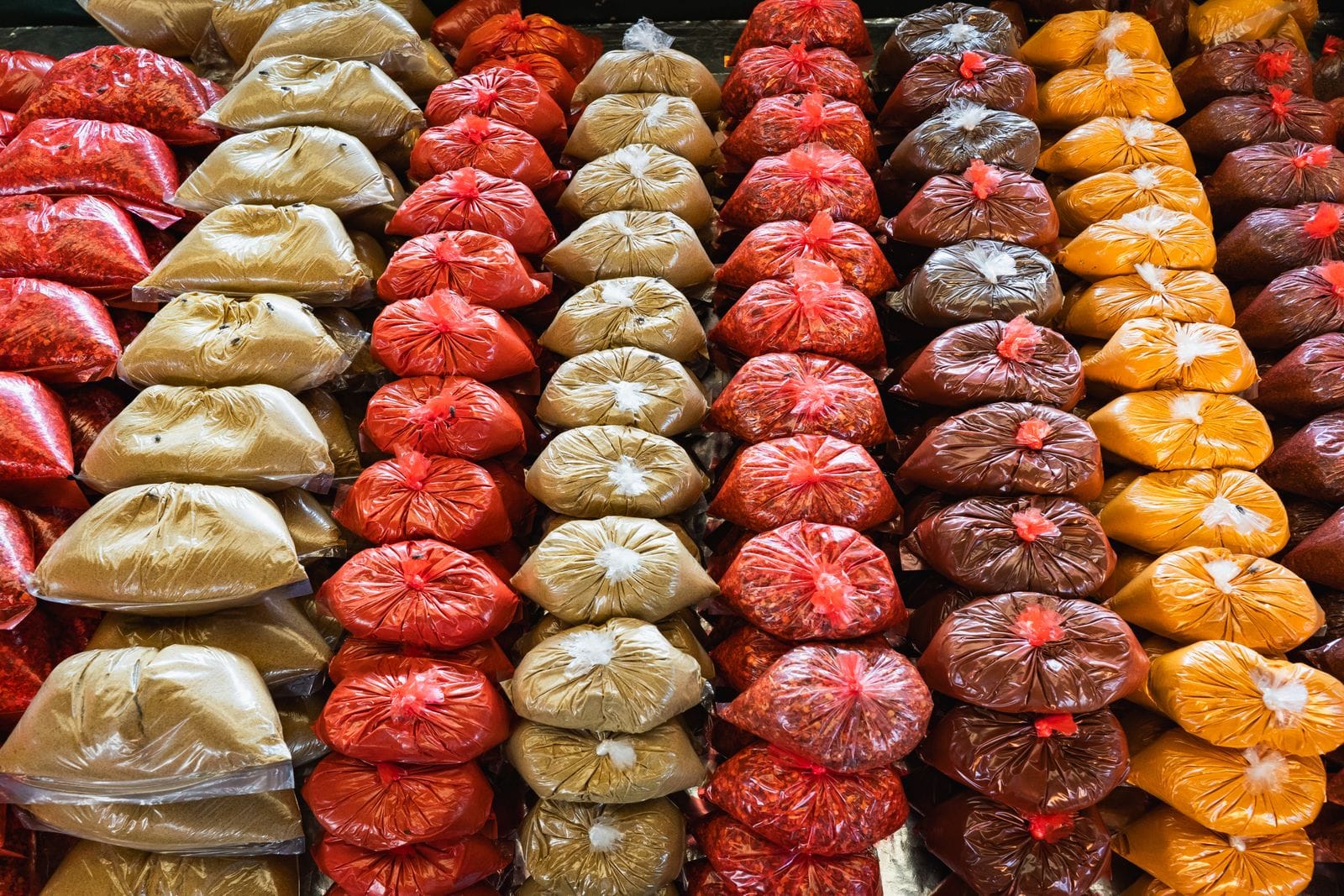
- Market visit. Morning classes often start at the Kandy Municipal Central Market near the Clock Tower, where the host shows you how to choose vegetables, fresh coconut and spices. Arrive early: by late morning many stalls are half empty.
- Cooking. You prepare a rice and curry meal, usually five to eight dishes: dhal (parippu), a vegetable or two, a meat or fish curry, coconut sambol (pol sambol) and often a green mallung. Expect to scrape coconut, grind spices and cook over gas or a wood fire in clay pots.
- Eating together. The class ends with the meal you cooked, served the Sri Lankan way, and most hosts send the recipes afterwards.
Cooking classes in Kandy you can book online
These listings were active with recent traveller reviews when we checked in October 2026. Prices change with group size and season, so compare the current price on the booking page rather than relying on old figures.
- Kandy Village Cooking Class: listed on Tripadvisor and Viator; as the name suggests, it is set in a village rather than in the city centre. Reviewers mention the market walk with the host and the home-style meal.
- Yummy Kandy Cooking Class: listed on Tripadvisor with traveller reviews into 2026.
- Kandy Cooking Class by AGS: one of the longest-running listings in Kandy on Tripadvisor, also sold on Viator as a private class with pickup.
- Kandy Cooking Class with Granny: sold as an Airbnb Experience with a very high guest rating.
Some of these listings appear to be run by the same family under different names and share the same market guide. That is not a problem, but check exactly what each listing includes (pickup, return transport, market visit) before you choose between them.
How to choose the right class
- Market or no market: if the market is the part you want, book a morning class and confirm that the visit is included, not just "possible".
- Private or shared: private classes cost more per person but let you choose dishes, which helps with vegetarian, vegan or allergy needs.
- Location: village classes give you rural scenery but add travel time; classes in town are easier to fit around the Temple of the Tooth or the Kandy cultural show.
- Spice level: tell the host in advance. Home cooks will happily cook milder versions and show you how to adjust the chilli.
How to book
- Pick two or three listings and read the most recent reviews, not just the average score.
- Check what is included: pickup and drop-off, market visit, number of dishes, recipes, drinking water.
- Book a day or two ahead in December to April, the busy season; at other times a day's notice is usually enough.
- Message the host with your hotel name, dietary needs and preferred start time.
- Carry some rupees for the return tuk-tuk if it is not included, and a small tip if you enjoyed the class.
Plan the rest of your day
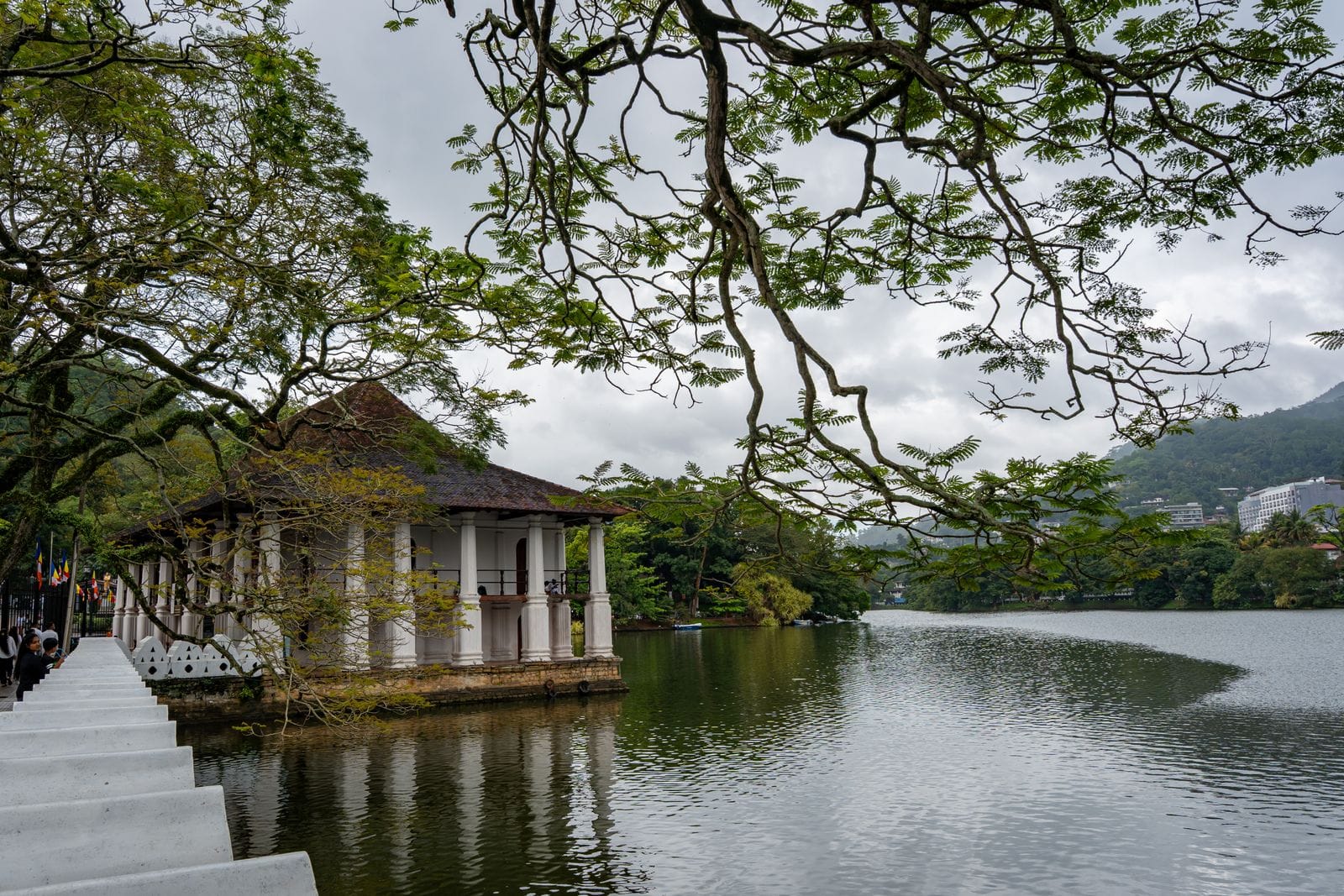
A morning class leaves the afternoon free for the Temple of the Sacred Tooth Relic and a walk around Kandy Lake. If you are travelling on to the hill country, remember that trains currently run between Nanu Oya and Ella only, while the Kandy to Nanu Oya section is under repair, so plan a road transfer for that part of the trip.
Frequently asked questions
How long does a cooking class in Kandy take?
Most classes take three to four hours including the market visit and the meal. Village classes outside the city can take longer because of travel time.
Can vegetarians and vegans join?
Yes. Sri Lankan home cooking has many vegetable, dhal and coconut dishes, and hosts can leave out fish, meat and dairy if you tell them when you book.
Is hotel pickup included?
Many hosts collect you from central Kandy, but some charge extra for the return trip. Check the listing and confirm in a message before the day.
When is the best time to take a class?
Morning classes are best if you want the market visit, because the produce is freshest and the stalls are full. Afternoon and evening classes usually skip the market.