
Quick answer: To avoid heat exhaustion in Sri Lanka, sightsee before 11:00 or after 15:00, rest in shade often, drink safe water regularly (up to about 1 litre an hour in strenuous midday heat), and wear loose, light clothing, a hat and SPF 50 sunscreen. Confusion or collapse can signal heat stroke: call 1990 for a free ambulance.
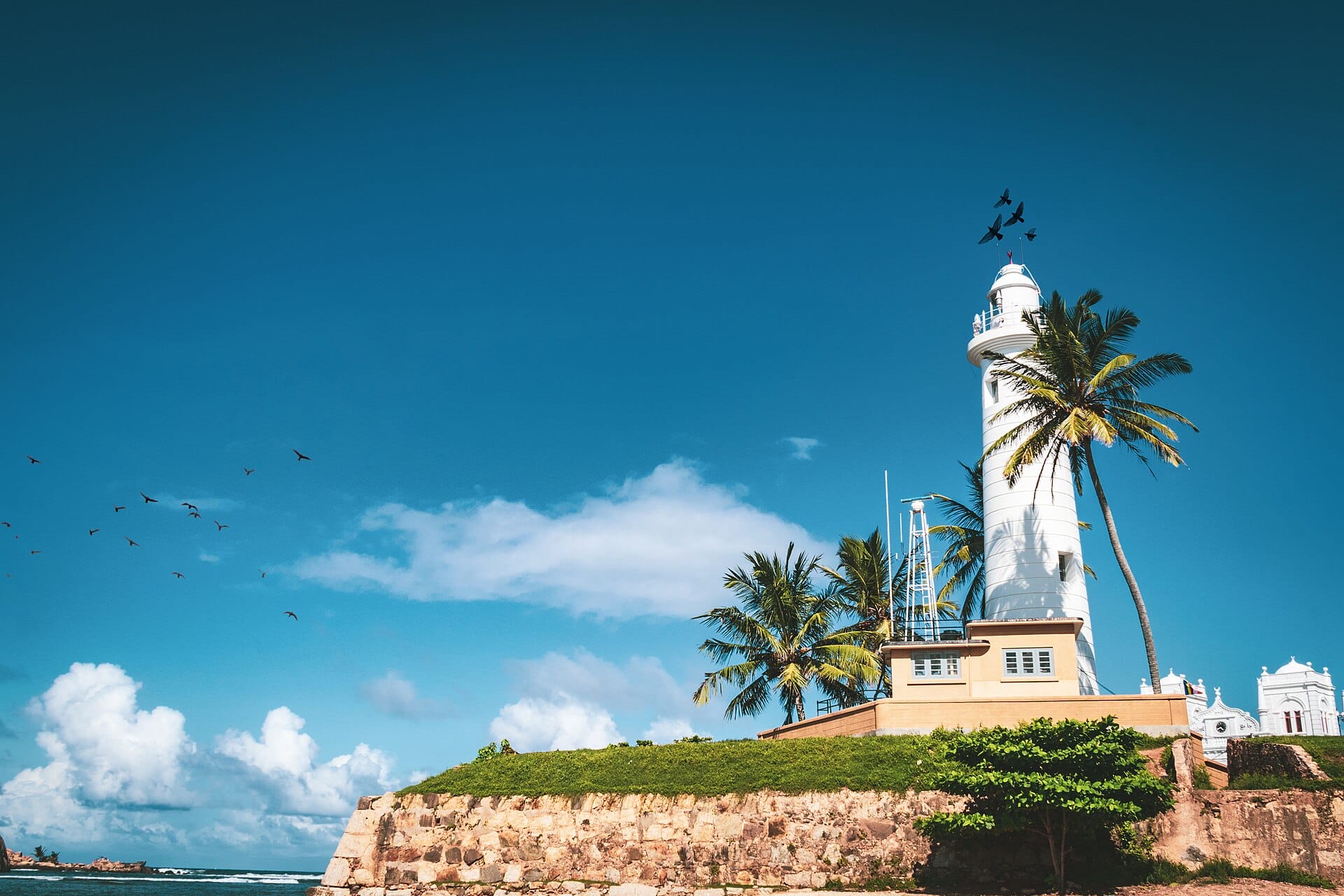
Sri Lanka’s tropical heat can catch even seasoned travellers off guard. Lowland daytime highs are often in the low 30s °C and can reach 35 °C (95 °F), with high humidity along the coast, so a day at Galle Fort or among the ruins of Anuradhapura and Polonnaruwa needs a plan. These 12 tips cover prevention, the warning signs and what to do if someone becomes unwell.
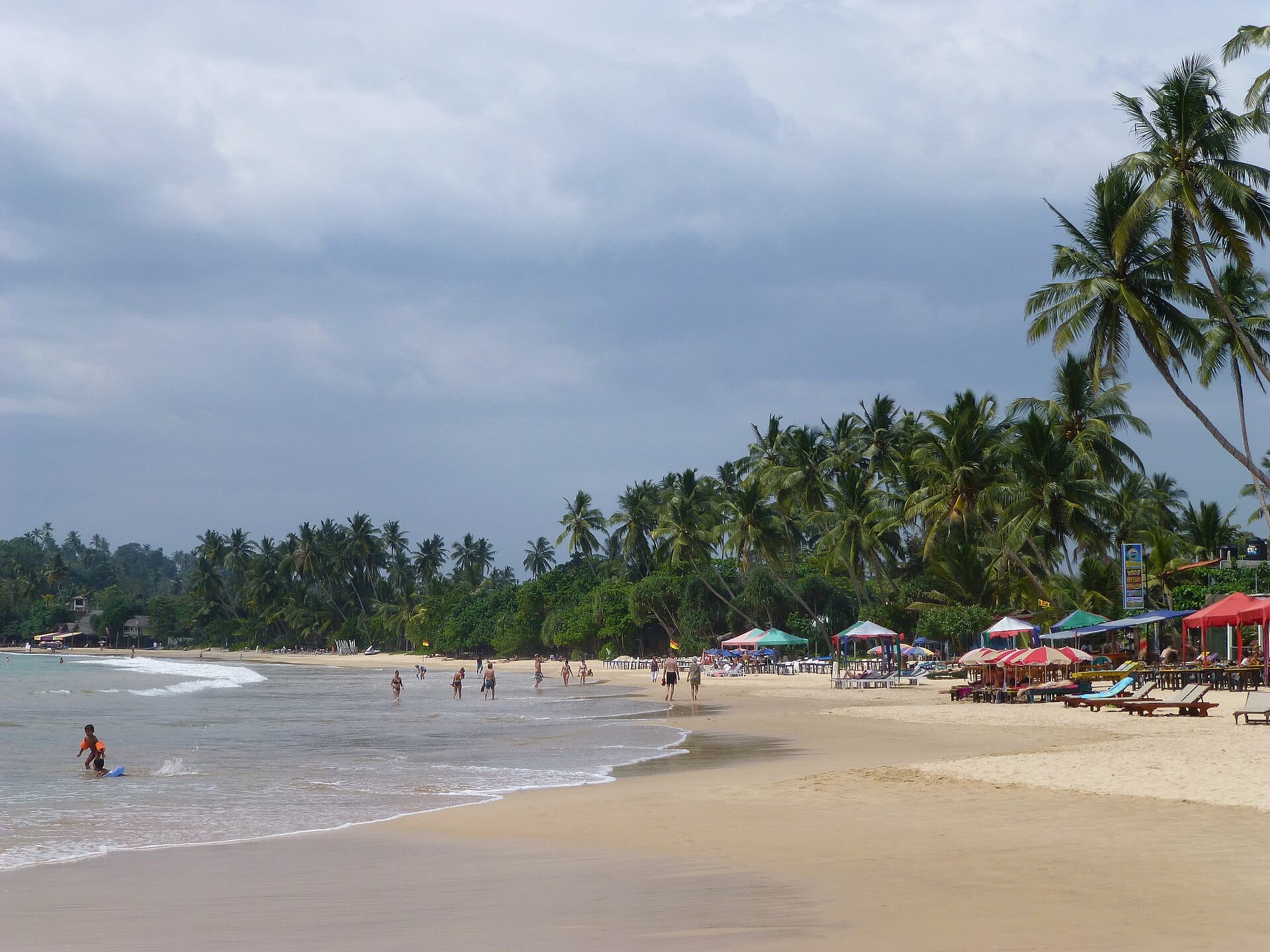
1. Move Into Shade Early and Often
Direct sun adds a heavy heat load on top of high air temperatures. Take regular breaks in deep shade, such as under a tree, in a pavilion or in an air-conditioned café, rather than waiting until you feel unwell. Anuradhapura’s archaeological sites are spread out, so plan your rest stops in the shaded areas between them. Getting out of direct sunlight within minutes of feeling overheated gives your body a chance to cool down before heat exhaustion sets in.
2. Hydrate Smartly With Safe Water
Dehydration makes heat illness more likely. Drink before you feel thirsty: in strenuous midday heat, that means about a cup (250 ml) every 15–20 minutes, or up to about 1 litre an hour. Don’t drink much more than about 1.5 litres an hour, because too much plain water can upset your body’s salt balance. Tap water isn’t safe to drink, so stick to sealed bottled water (about LKR 120 for a 1-litre bottle) or filtered water from a trusted source such as your hotel’s dispenser. If you have a heart or kidney condition, or your doctor limits your fluids, ask them how much to drink in the heat.
3. Wear Loose, Light-Coloured Clothing
Dark fabrics absorb more of the sun’s heat, while loose, breathable garments let sweat evaporate. Opt for cotton or linen shirts, shorts and skirts in white, pastels or light blue, and pack longer, loose layers for temple visits.
4. Apply High-SPF Sunscreen Frequently
Sri Lanka sits close to the equator, so UV levels are high year-round. Use a broad-spectrum SPF 50 sunscreen (reef-safe if you’ll be swimming), apply it generously before you head out, and reapply every two hours and after swimming or sweating. Keep a travel-size tube in your daypack for touch-ups. Sunburn also reduces your skin’s ability to cool itself, so preventing it helps you cope with the heat.
5. Protect Your Eyes With Sunglasses and a Hat
Glare from the sea and pale stone can strain your eyes. Wear UV-blocking sunglasses and pair them with a wide-brimmed hat that shades your face, neck and ears and keeps direct sun off your head.
6. Schedule Activities for Cooler Hours
Plan strenuous visits to open-air sites for early morning or late afternoon, and avoid the 11:00–15:00 window when the heat peaks. At Sigiriya, arriving at opening time means a cooler climb and fewer crowds. Polonnaruwa’s ruins, which many visitors explore by bicycle, are best seen later in the afternoon when the sun is lower.
7. Snack on Salty Foods to Replenish Electrolytes
Heavy sweating costs you salt as well as water, which can lead to cramps, tiredness and dizziness. On long, sweaty days, eat regular meals and carry salty snacks such as roasted peanuts or salted crackers, or mix a sachet of oral rehydration salts (ORS), sold in pharmacies, with water as directed on the pack. If you are on a salt-restricted diet, check with your doctor first.
8. Choose Cooler Transport in the Midday Heat
Crowded, poorly ventilated buses and vehicles stuck in traffic can become heat traps. For transfers in the hottest hours, an air-conditioned car, or a ride booked through a ride-hailing app, is the cooler option. If you travel by bus, take a window seat and keep the window open where possible.
9. Carry a Portable Fan or Cooling Towel
A small battery or USB-rechargeable fan and a cooling towel are light enough for any daypack. Soak the towel, wring it out and drape it around your neck on exposed stretches such as the ramparts of Galle Fort. This low-tech solution lowers your skin temperature and buys you time until you reach a shaded café.
10. Know the Warning Signs of Heat Exhaustion and Heat Stroke
Heat exhaustion can come on quickly and, if ignored, can progress to heat stroke, which is a medical emergency. Learn to tell them apart:
| Sign or action | Heat exhaustion | Heat stroke |
|---|---|---|
| Skin | Cool, pale and clammy, with heavy sweating | Hot and red; may be dry or damp |
| Other signs | Headache, dizziness, nausea or vomiting, muscle cramps, tiredness or weakness, a fast but weak pulse, fainting | Body temperature of 39.4 °C (103 °F) or higher, confusion, a fast and strong pulse, headache, dizziness, nausea, loss of consciousness |
| What to do | Move somewhere cool, loosen clothing, apply cool, wet cloths and sip water. Get medical help if you are vomiting, symptoms get worse or they last longer than an hour. | Call 1990 for an ambulance straight away. Move the person somewhere cooler and cool them with wet cloths or a cool bath. Do not give them anything to drink. |
Emergency numbers in Sri Lanka: 1990 for the free Suwa Seriya ambulance, 119 for Police and 1912 for Tourist Police.
11. Pack a Basic First-Aid Kit
Alongside the general items in our health tips for travelling in Sri Lanka, a heat-ready kit should include oral rehydration salts, a digital thermometer, after-sun gel, plasters and any regular medicines. Having your own kit means you can act quickly if someone feels unwell while exploring Polonnaruwa’s stone statues.
12. Respect Local Customs While Staying Cool
Sri Lankan culture values modest dress, especially at religious sites. At temples in Anuradhapura and elsewhere, cover your shoulders and knees; a light scarf or sarong does the job and also shields you from the sun. You’ll need to remove your shoes and hat at temple entrances, and stone paving can get very hot underfoot by midday, so plan temple visits for early morning or late afternoon.
Quick Checklist
- Plan outdoor sightseeing before 11:00 or after 15:00.
- Rest in shade often, not only when you feel unwell.
- Drink safe water regularly: up to about 1 litre an hour in strenuous heat, and no more than about 1.5 litres an hour.
- Wear loose, light-coloured clothing, a wide-brimmed hat and SPF 50 sunscreen.
- Carry salty snacks or ORS, a fan or cooling towel, and a basic first-aid kit.
- Know the signs of heat stroke and save 1990 (ambulance) in your phone.
FAQ
How much water should I drink in Sri Lanka’s heat?
Drink before you feel thirsty. In strenuous midday heat, aim for about a cup (250 ml) every 15–20 minutes, up to about 1 litre an hour, but no more than about 1.5 litres an hour. If a doctor limits your fluids, ask them first.
Is tap water safe for drinking in Colombo and the hill country?
No. Tap water is not reliably safe to drink anywhere in Sri Lanka. Stick to sealed bottled water (about LKR 120 for a 1-litre bottle) or filtered water from a trusted source, and use it for brushing your teeth too.
Can I rely on ice in drinks at small restaurants?
Not always. Ice at smaller places may be made from tap water, which is not reliably safe to drink. It’s safest to skip ice unless you know the venue uses purified water, and to choose sealed bottled drinks instead.
What are the warning signs of heat exhaustion?
Heavy sweating, cool, pale and clammy skin, headache, dizziness, nausea, muscle cramps, weakness and a fast, weak pulse. Move to shade, cool down and sip water; get medical help if you are vomiting, or if symptoms get worse or last longer than an hour.
When is heat illness an emergency in Sri Lanka?
Confusion, hot red skin, a body temperature of 39.4 °C (103 °F) or higher, or loss of consciousness can mean heat stroke. Call 1990 for the free Suwa Seriya ambulance, cool the person with wet cloths, and don’t give them anything to drink.
Are there any specific health risks in Galle compared to the Cultural Triangle?
Galle’s coastal humidity slows the evaporation of sweat, so you can overheat and dehydrate faster. The Cultural Triangle’s open ruins offer little shade, which raises the risk of sunburn and heat illness. Both need the same precautions: shade, safe water and sun protection.
Is it necessary to wear a mask for heat protection?
No. Face masks don’t protect against heat and can make you feel hotter. Focus on loose, light clothing, a wide-brimmed hat, shade and regular drinks of safe water instead.
Stay Ahead of the Heat
Sri Lanka’s heat is manageable with a plan: sightsee early or late, rest in shade, drink safe water steadily, and watch your travel companions as well as yourself. If anyone becomes confused or collapses, call 1990 straight away.