
Sri Lanka is one of the world’s best-known sources of sapphires and other coloured gemstones. You can buy them in three very different places: the mining town of Ratnapura, the trading town of Beruwala and the showrooms of Colombo. This guide explains where to go, how to judge a stone and how to avoid common scams.
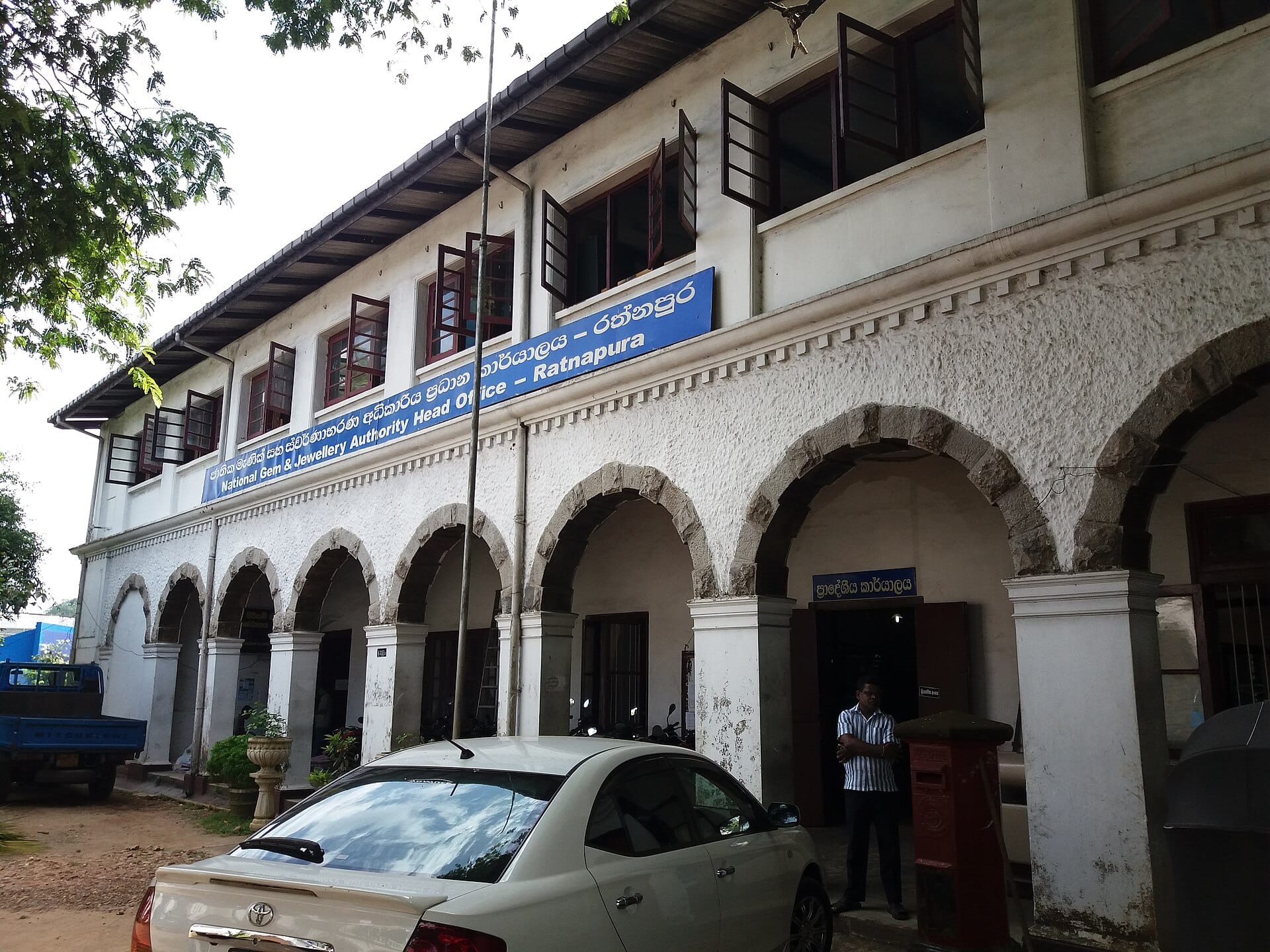
Quick answer: Ratnapura, Sri Lanka’s “City of Gems”, is the centre of the trade, with dealers also in Beruwala and showrooms in Colombo. Wherever you buy, choose a licensed dealer, get an itemised receipt and have any valuable stone tested at a National Gem and Jewellery Authority (NGJA) laboratory in Colombo, Ratnapura or Galle, ideally before you pay.
Each place suits a different buyer. Ratnapura is closest to the mines, Beruwala is a long-standing trading centre, and Colombo offers the most formal shopping, with fixed prices and clear paperwork.
Ratnapura: the City of Gems
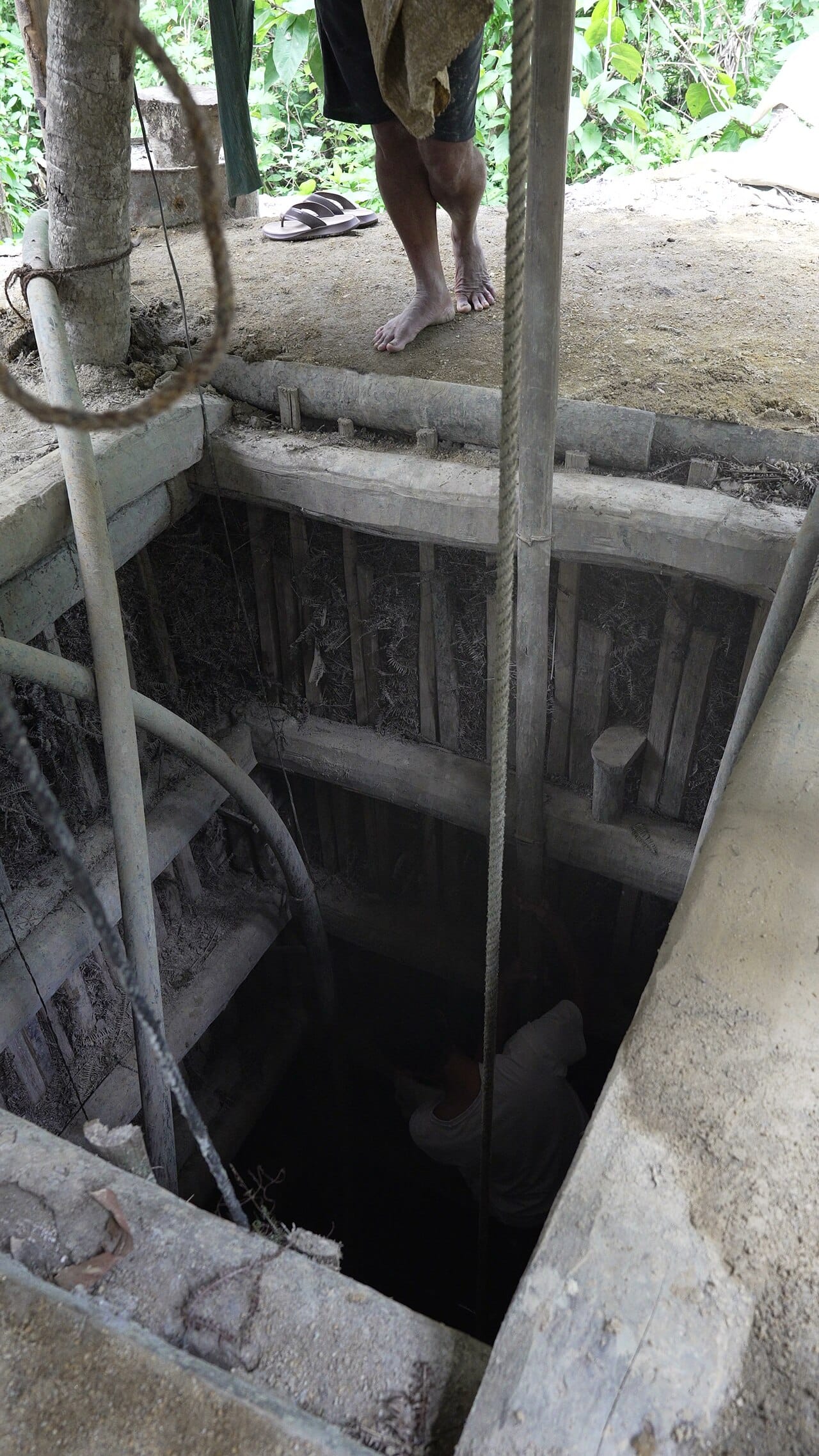
Ratnapura is the heart of Sri Lanka’s gem industry: many of the island’s gem pits lie in the surrounding district, and its name means “city of gems”. Dealers trade rough and cut stones in the town centre. Read more about the town in our guide to Ratnapura.
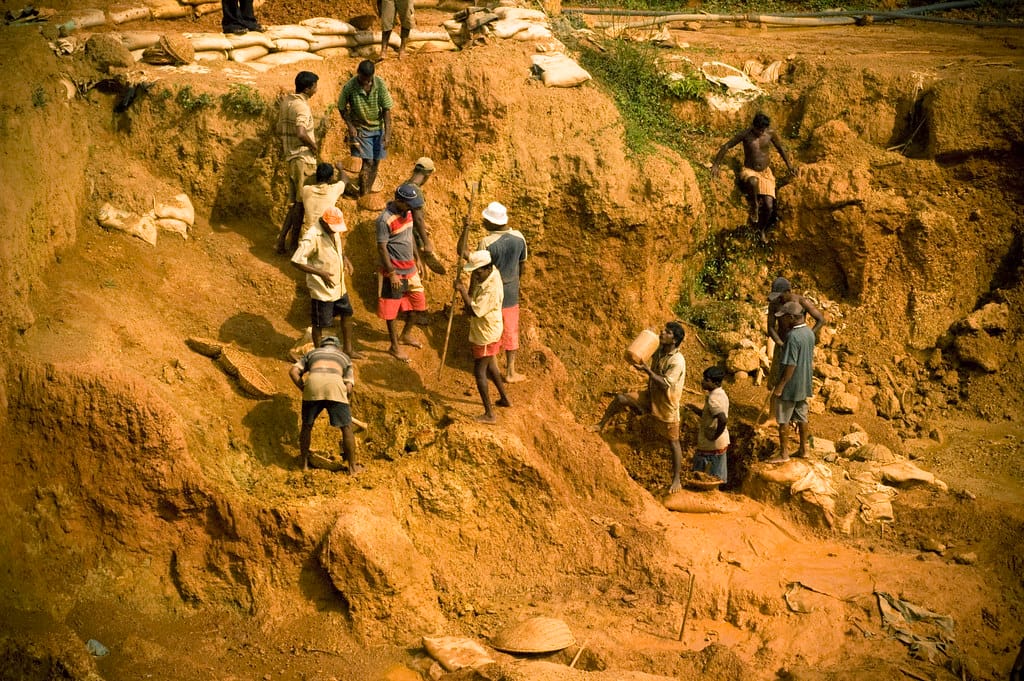
Prices can be lower than in Colombo, but the market moves fast and suits people who know stones. Without a good eye for colour, clarity and cut, it is easy to be swayed by a confident pitch. Inspect stones in natural light, ask whether they are treated, and use the NGJA gem laboratory in Ratnapura to check a valuable stone before you commit.
Beruwala: a long-standing trading town
Beruwala, on the south-west coast between Colombo and Galle, has a long-established community of gem traders. Deals here often go through offices and personal introductions rather than open stalls, and you will find both rough and cut stones.
Prices are negotiable and move with demand, exchange rates and quality, so compare several stones and haggle politely. Ask for a written description of each stone and any treatment. If you are new to gems, an independent gemmologist is worth more than any dealer’s promise.
Colombo: showrooms and jewellers
Colombo has the most formal options: jewellers and gem showrooms with fixed prices, clear invoices and after-sales service. Overheads are higher, so prices usually are too, but buying is simpler, and many shops can set a stone in jewellery or arrange shipping.
The NGJA’s main gem laboratory is in Colombo 3, which makes the capital the easiest place to have a stone tested before you fly home.
How to judge a gemstone
Use this checklist at every shop:
- Colour first: rich, even colour usually signals quality, especially in sapphires.
- Clarity: small inclusions are normal; avoid cloudy or heavily cracked stones.
- Cut: a well-cut stone returns light evenly; dull patches point to poor cutting.
- Natural or lab-made: ask upfront. Lab-grown stones are cheaper and worth far less.
- Treatment: heating is common and accepted if it is disclosed; untreated stones are rarer and cost more.
- Certificate: for a valuable stone, ask for an NGJA certificate or a report from another lab you can verify.
- Natural light: showroom lights flatter stones, so look at them outside.
- Origin: ask where the stone was mined; Ceylon sapphires are prized for their colour, so origin affects the price.
Gem scams to avoid
- “Special” shop visits: be wary when a tuk-tuk driver, guide or friendly stranger steers you to a particular gem shop. They often earn a commission, which you pay for in the price.
- Resale schemes: walk away from anyone who suggests buying stones to sell at a profit back home.
- Fakes and hidden treatments: glass, synthetic or undisclosed treated stones can look convincing. Have anything valuable tested before you pay.
- Unverifiable certificates: a certificate is only as good as the lab that issued it. If in doubt, have the stone re-tested at an NGJA laboratory.
Practical buying tips
- Buy from licensed dealers: ask whether the dealer is licensed by the National Gem and Jewellery Authority.
- Get the paperwork: an itemised receipt with the stone’s type, weight and treatment, plus any certificate.
- Shipping: if the shop will send the stone, agree in writing who handles export documents and insurance, and check your home country’s customs rules.
- Pay safely: card payments leave a record. If you pay cash, read our guide to currency in Sri Lanka first.
- Keep records: photograph the stone, note the seller’s details and keep every receipt.
Frequently asked questions
Where is the best place to buy gemstones in Sri Lanka?
It depends on your priorities. Ratnapura is closest to the mines and can be cheaper, but it suits experienced buyers. Beruwala has a long-established trading community, and Colombo has showrooms with fixed prices, invoices and the NGJA’s main gem laboratory.
How can I check that a gemstone is genuine?
Take it to a National Gem and Jewellery Authority (NGJA) gem laboratory in Colombo, Ratnapura or Galle. The labs issue testing certificates for a fee listed on ngja.gov.lk, and you need your passport as ID.
Do I need a gemmologist to buy gemstones in Sri Lanka?
Not if you are an experienced buyer. For a first purchase, an independent gemmologist can judge colour, clarity and cut and check certificates, which helps most in Ratnapura’s fast-moving market.
Can I ship a gemstone home from Sri Lanka?
Yes. Many dealers, especially in Colombo, can arrange shipping and export paperwork. Keep the itemised invoice and any certificate, agree in writing who handles export documents and insurance, and check your home country’s customs and duty rules before you buy.
How can I avoid overpaying for a gemstone?
Compare several stones in natural light, ask about treatment, insist on an itemised receipt and have valuable stones tested at an NGJA lab. Ignore anyone who steers you to a particular shop, and bargain in Ratnapura and Beruwala, where prices are negotiable.