Introduction
Sri Lanka dazzles with emerald tea hills, ancient temples, and coastline that seems to stretch forever. For a solo woman, the island feels welcoming, yet its cultural nuances demand a little extra mindfulness. You’ll meet smiling locals, sample fiery crab curries, and trek to sunrise views on Little Adam’s Peak. The key is blending confidence with common sense—dress respectfully, stay connected, and choose safe transport. Follow these grounded tips, and you’ll navigate Colombo’s bustling streets, Kandy’s sacred lake, Ella’s misty rail rides, and Yala’s leopard‑spotting safaris without a hitch.
Quick answer: Dress modestly (cover shoulders and knees), secure a local SIM or eSIM for constant connectivity, and never wander alone after dark in quieter towns.
1. Dress Modestly for Temples and Rural Areas
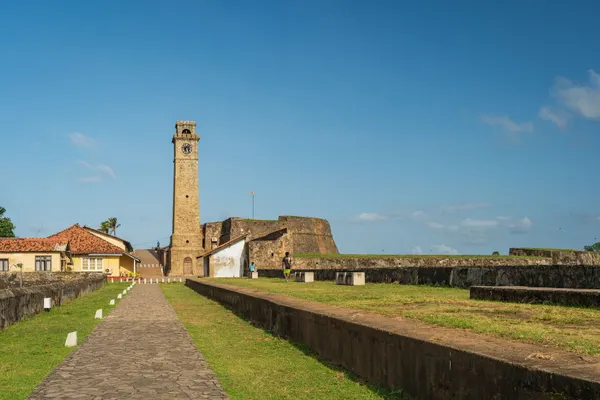
Sri Lankan temples enforce strict dress codes: shoulders, chest, and knees must be covered. Walking into the Temple of the Tooth in Kandy with a sleeveless top will get you turned away. Pack lightweight, breathable fabrics—long skirts, loose trousers, and a thin scarf you can drape over your shoulders. Many guesthouses and hostels keep spare sarongs for travelers caught short; ask the front desk before you head out. By respecting local customs, you avoid unwanted attention and gain smoother entry to heritage sites like Sigiriya and Dambulla.
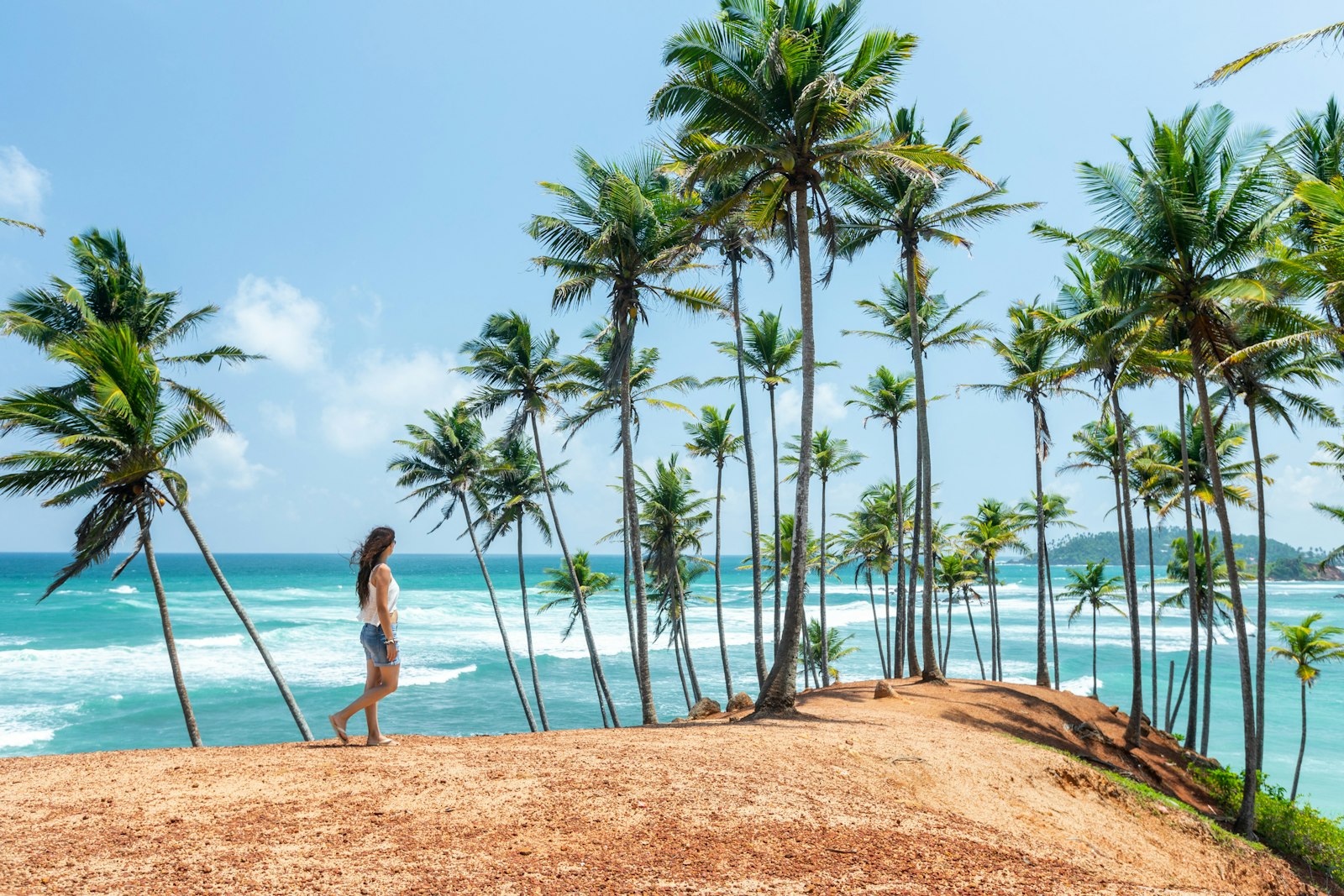
2. Use a Local SIM or eSIM for Reliable Connectivity
Connectivity is your lifeline when you’re solo. An eSIM from a major provider (e.g., Dialog or Mobitel) costs about LKR 1,200 – 1,500 (about US$4–5) for 10 GB of data, valid for 30 days. If you prefer a physical SIM, expect a similar price at the airport kiosk or any town shop. Activate it within the first 24 hours to ensure you can call a taxi, check train schedules, or alert a friend if plans change. A charged power bank (10,000 mAh) is a cheap insurance policy against dead batteries on long bus rides.
3. Book Your First Night’s Accommodation in Advance
Arriving after dark in a new town can feel unsettling, especially in places like Ella where hostels close early. Reserve the first night through a trusted platform or contact the guesthouse directly via WhatsApp. Prices range from LKR 2,500 – 4,500 (about US$8–15) for a dorm bed, and LKR 6,000 – 9,000 (about US$20–30) for a private room. Having a confirmed room lets you step off the bus, stretch your legs, and get a good night’s sleep before you start exploring the next day.
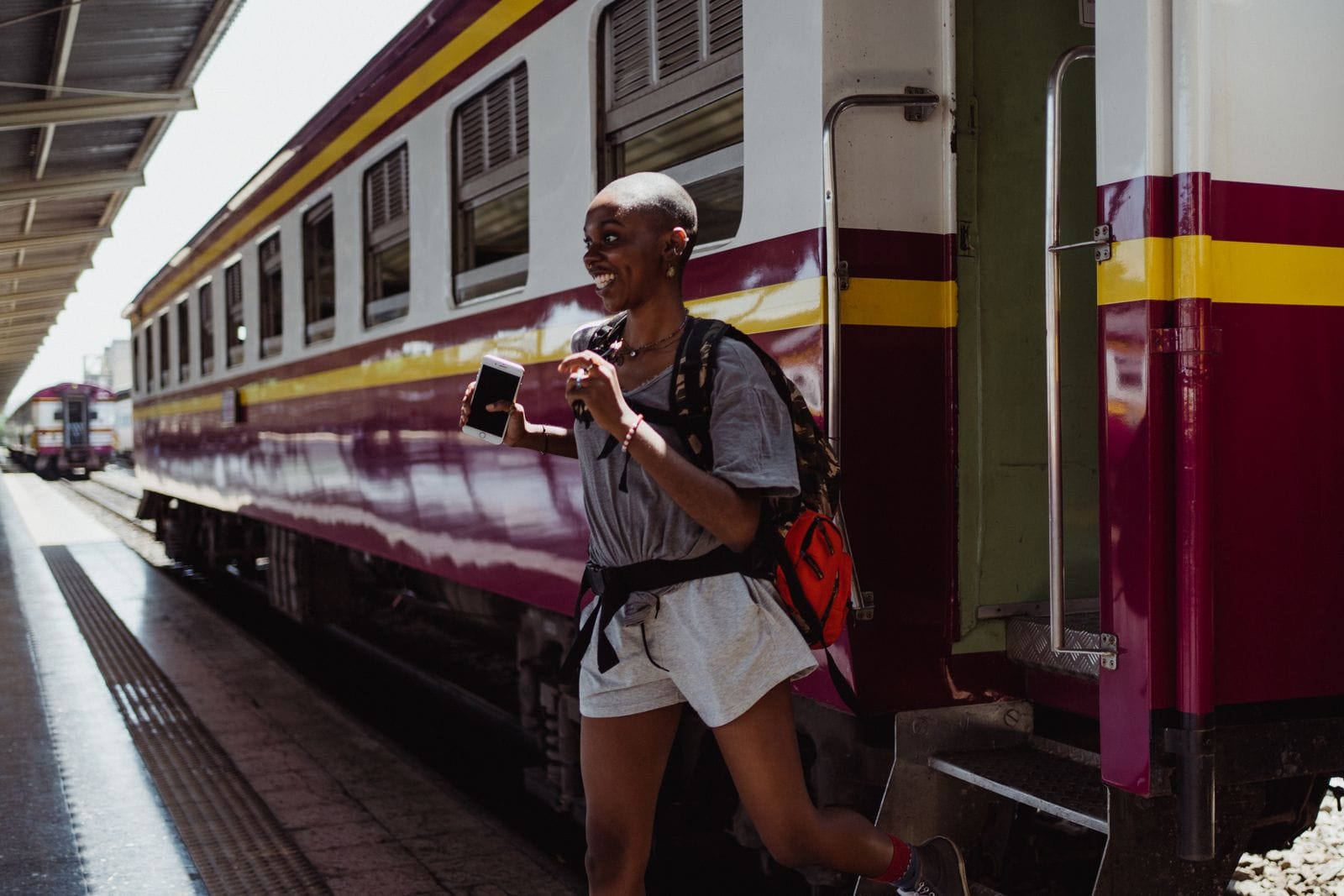
4. Keep Your Belongings Secure in Crowded Spaces
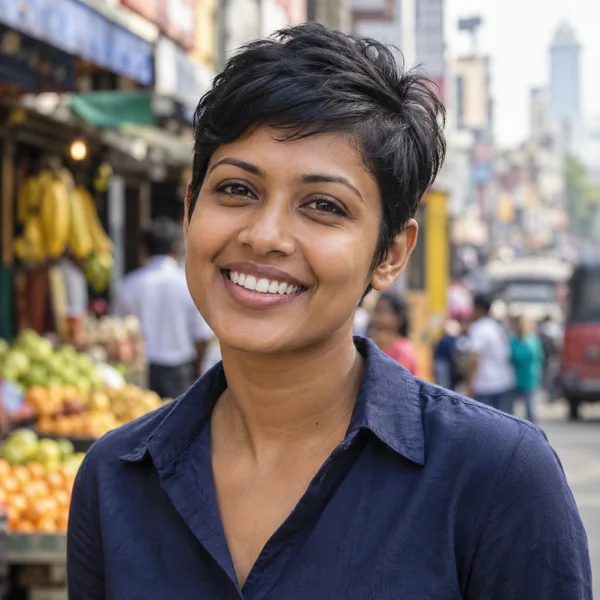
Colombo’s Pettah market and Kandy’s bus station draw throngs of locals and tourists. Pickpockets exploit distracted travelers, especially near money changers. Use a theft‑proof backpack with hidden zippers, and keep your passport, cash, and phone in a front‑pocket or money belt. When queuing for street food, keep your bag in front of you and close the main compartment. A quick habit of checking that your bag is zipped before you sit down can save you an awkward encounter later.
5. Choose Shared or Organized Transport Over Solo Hires
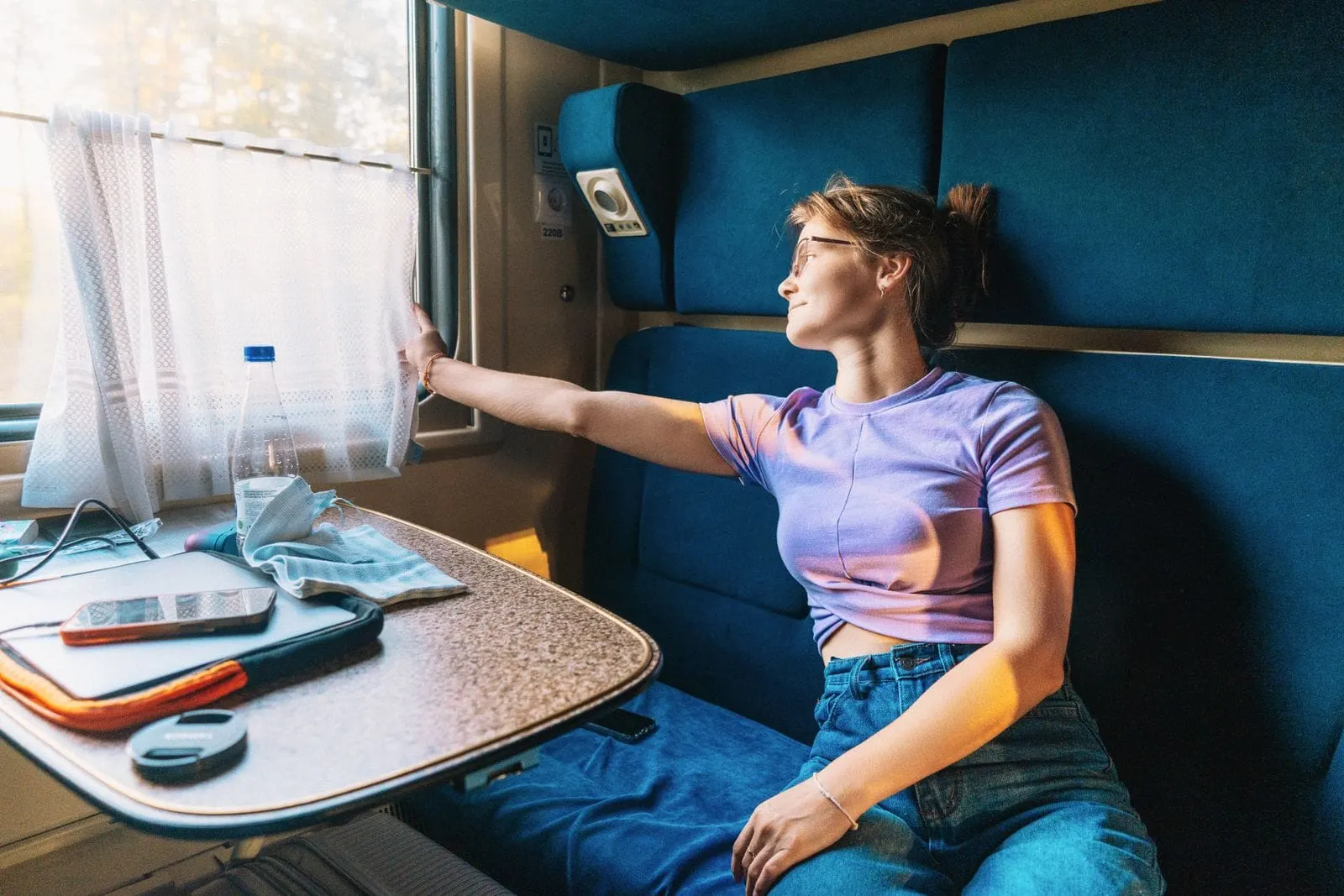
Hiring a private driver sounds glamorous, but solo travelers often face inflated rates or unreliable service. Instead, rely on shared tuk‑tuk rides, reputable minibus companies, or guesthouse‑arranged group shuttles. A tuk‑tuk from Colombo to Negombo costs roughly LKR 1,500 – 2,000 (about US$5–7). For longer legs, reserve a train seat in advance (reserved second class on the hill-country line is about LKR 1,700). Note: as of October 2026 there is no through train between Kandy and Ella while the line between Kandy and Nanu Oya is repaired; trains run between Nanu Oya and Ella, so travel to Nanu Oya by road and check Sri Lanka Railways before you go. These options keep you in the company of locals or fellow backpackers, reducing the risk of being stranded.
6. Stay Vigilant After Dark, Especially Outside Major Cities
Safety in Sri Lanka is generally high, yet rural towns quiet down after 8 pm. In Sigiriya, Dambulla, and Ella, streets become dim and public transport ceases. If you need dinner, head to a well‑lit restaurant or café and dine inside. Avoid strolling alone along empty lanes; instead, walk to the nearest hotel lobby or join a small group of travelers. If you feel uneasy, call your accommodation—they’ll gladly arrange a taxi or guide for a modest fee (LKR 800–1,200, about US$3–4).
7. Carry a Small Amount of Cash and Use ATMs Wisely
While credit cards work in upscale hotels and restaurants, many street vendors, tea shops, and rural guesthouses accept cash only. Withdraw LKR 5,000 – 10,000 (about US$17–33) from a bank ATM in Colombo or Kandy each morning; check your own bank's foreign-ATM fees before you travel. Avoid withdrawing large sums at night or in isolated kiosks, as machines can be poorly lit and attract attention. Keep the bulk of your money in a hidden pouch, and use the remainder for daily purchases.
8. Learn Basic Sinhala or Tamil Phrases for Politeness
A simple “Ayubowan” (hello) or “Nandri” (thank you) goes a long way in building rapport. Locals appreciate effort, and a friendly greeting can defuse uncomfortable situations. Phrasebooks or language apps on your phone (offline mode) help you practice. Knowing how to ask “Where is the bathroom?” (“Suwal dena?” in Sinhala) or “How much?” (“Kota?”) also reduces reliance on strangers for translation, keeping you in control of the interaction.
9. Respect Local Customs When Eating Street Food
Sri Lankan street stalls serve delicious kottu, hoppers, and fresh fruit—perfect for solo diners. However, some foods may be prepared on shared surfaces, which can be a concern for those with dietary sensitivities. Observe the vendor’s hygiene: clean utensils, covered food, and fresh ingredients. If you’re unsure, ask politely (“Mehemai da?” – “Is this fresh?”). Paying with exact change (small 20, 50 and 100 rupee notes) speeds up the transaction and avoids lingering at the stall after dark.
10. Pack a Compact First‑Aid Kit and Mosquito Repellent
The island’s monsoon climate brings occasional rain and a healthy mosquito population, especially near the wetlands of Yala. A small kit with band‑aids, antiseptic wipes, pain relievers, and any personal medication keeps minor issues from becoming trips‑ruining. Repellent containing DEET (10‑20 %) costs around LKR 300 – 500 (about US$1–2). Apply it before heading into jungle walks or evening safaris, and reapply every few hours for continuous protection.
11. Trust Your Instincts and Set Boundaries with Strangers
Solo travel often leads to spontaneous invitations—from a fellow backpacker to a local family offering tea. While many are genuine, trust your gut. If a situation feels off, politely decline and move to a public area. Remember, you are not obligated to share your itinerary or personal details. A confident “I’m traveling alone, thank you” can end unwanted advances without offense. Your safety hinges on staying assertive and listening to your inner voice.
12. Embrace the Community of Fellow Solo Travelers
Sri Lanka’s backpacker scene is tight‑knit. Hostels in Colombo, Kandy, and Ella host nightly “meet‑up” gatherings where travelers share tips, plan joint excursions, and swap stories over a cold King Coconut. Joining these informal groups can provide a safety net, a ride‑share partner, or a companion for a sunrise hike at Little Adam’s Peak. Don’t shy away from striking up a conversation; the friendships you forge often become the highlight of the trip.
Quick Checklist
- Pack breathable, modest clothing and a versatile scarf.
- Activate a local SIM/eSIM within 24 hours (about US$5).
- Reserve the first night’s stay before arrival.
- Use a theft‑proof backpack and keep valuables front‑center.
- Opt for shared transport or guesthouse shuttles.
- Avoid solo outings after 8 pm in quiet towns.
- Withdraw modest cash daily; keep most hidden.
- Learn a few local greetings and polite phrases.
- Choose clean street food vendors and carry exact change.
- Bring a small first‑aid kit and DEET repellent.
FAQ
Is Sri Lanka safe for solo female travelers?
Yes, the country is generally safe, but standard precautions apply. Dress modestly, stay in well‑lit areas after dark, and keep your belongings secure. Connecting with other travelers and using reputable transport further reduces risk.
What should I wear when visiting temples?
Cover your shoulders, chest, and knees. A lightweight long‑sleeve shirt, loose trousers or a long skirt, and a scarf to drape over your arms are ideal. Guesthouses often provide a sarong if you forget.
How much does a local SIM cost and where can I buy it?
An eSIM or physical SIM costs about LKR 1,200‑1,500 (about US$4–5) for 10 GB of data. Purchase it at the airport, major malls, or any mobile shop in Colombo, Kandy, or Galle.
Can I travel alone at night in Colombo?
Colombo’s nightlife is vibrant, and many areas remain busy after midnight. Stick to well‑known streets, use reputable ride‑hailing apps, and avoid isolated alleys. In smaller towns, it’s wiser to stay indoors after dark.
What’s the best way to get from Kandy to Ella?
The hill-country train is affordable (reserved second class about LKR 1,700) and offers stunning views. Note: as of October 2026 there is no through train between Kandy and Ella while the line between Kandy and Nanu Oya is repaired; trains run between Nanu Oya and Ella, so travel to Nanu Oya by road and check Sri Lanka Railways before you go. Alternatively, a shared tuk‑tuk ride costs around LKR 2,000‑2,500 (about US$7–8).
Should I carry a lot of cash or rely on cards?
Carry enough cash for daily meals, transport, and small purchases (LKR 5,000‑10,000 per day). Credit cards work in upscale hotels and restaurants, but many rural spots accept cash only. Keep most of your money in a hidden pouch.
Final Thoughts
Solo female travel in Sri Lanka blends adventure with cultural immersion. By dressing respectfully, staying connected, and moving wisely through bustling markets and tranquil tea estates, you protect yourself while fully soaking in the island’s flavors. The warmth of Sri Lankan hosts, the thrill of spotting a leopard in Yala, and the sunrise over Sigiriya will reward the mindful traveler. Pack your confidence, follow these practical tips, and let Sri Lanka’s emerald heart reveal itself—safely, vividly, and unapologetically.