
Sri Lanka has become a magnet for Chinese travelers. With its lush tea plantations, ancient ruins, and pristine beaches, the island offers a sensory feast that rivals any other Asian destination. Yet many Chinese visitors still face hurdles: unfamiliar visa processes, language gaps, and a lack of tailored travel advice. This guide cuts through the noise, giving you clear, practical steps to book flights, secure your ETA, navigate local transport, and enjoy the highlights that Chinese tourists love most. Whether you’re a first‑time visitor or a seasoned explorer, the tips below will help you travel smarter, stay safe, and soak in the true spirit of Sri Lanka.
---
Getting There from China: Flights, Connections, and Airport Tips
Traveling from China to Sri Lanka is surprisingly straightforward. Colombo’s Bandaranaike International Airport (CMB) sits at the heart of the island’s air network and welcomes visitors from every major Chinese city. Most Chinese travelers book through Ctrip, Mafengwo, or Fliggy, which offer convenient Chinese‑language interfaces and often bundle visa support.
- Direct flights: The only direct flight from China to Sri Lanka is from Shanghai to Colombo. SriLankan Airlines and China Eastern both operate this route, with a flight time of about 6 hours. Check schedules in advance, as seasonal demand can affect availability.
- Connecting flights: If you’re flying from Beijing, Guangzhou, or Shenzhen, you’ll usually connect in a Gulf hub (Doha, Dubai, or Abu Dhabi) or a European city (London, Frankfurt, or Paris). Airlines such as Emirates, Qatar Airways, and Lufthansa offer frequent services to Colombo.
- Airport procedures: Upon arrival at Bandaranaike, look for the “Visa & Immigration” desk. Your ETA will be printed on the visa approval page. Have your passport, return ticket, and proof of accommodation ready. The airport is fully Chinese‑language friendly, with staff who can assist in Mandarin and Cantonese.
---
Visa and ETA: What You Need to Know
Sri Lanka’s e‑visa system, called the ETA (Electronic Travel Authorization), is essential for all foreign tourists, including Chinese passport holders. The process is quick, but there are nuances:
- Eligibility: Chinese citizens can apply for a free ETA online at eta.gov.lk. Since May 25 2026, the free status extends to 40 nationalities, including China, the UK, US, Canada, Australia, India, and Germany.
- Application steps:
1. Visit the official ETA website and fill out the form in Chinese (the site offers a Chinese language option). 2. Upload a passport photo and a scanned copy of your passport’s bio‑page. 3. Pay the processing fee (free for Chinese citizens). 4. Receive the ETA approval within 24 hours. Print the confirmation and keep it in your wallet.
- Validity: The ETA is valid for 30 days from the date of arrival and allows a single entry. If you plan to leave and re‑enter, you’ll need a new ETA.
- On arrival: If you miss the online step, you can still obtain a visa on arrival at Bandaranaike Airport, but the fee is about US 25 plus tax, and the process can take up to 30 minutes.
Tip: Double‑check your passport’s validity – it must be valid for at least six months beyond your planned departure date.
---
Plugging In: Electrical Adapters and Power
Sri Lanka uses plug types D and G at 230 V. Chinese travelers, especially those from Mainland China, may bring devices that run on 110 V or 220 V:
- Adapters: Type G plugs (the familiar British “three‑pin” shape) fit most Sri Lankan sockets. If you’re bringing a laptop or phone charger that accepts 110–240 V, you can use it directly. Otherwise, bring a universal travel adapter.
- Voltage: Most modern electronics (phones, laptops, cameras) are dual‑voltage and will work without a transformer. Check the label on your charger; it should read “100–240 V, 50/60 Hz.”
- Power outlets: In hotels, hostels, and guesthouses, you’ll find a mix of outlets. Keep a small power strip handy if you have multiple devices.
---
Time Zone and Daylight: Syncing with China
Sri Lanka operates on UTC+5:30, which is 2.5 hours behind China Standard Time (UTC+8). Here’s how that affects your travel:
- Flight arrival: A 6‑hour flight from Shanghai lands in Colombo around 11 am local time if you depart at 7 am Shanghai time.
- Jet lag: The difference is modest, but if you’re traveling from a western Chinese city, adjust your sleep schedule a day before departure.
- Business hours: Most shops and services open at 9 am Sri Lankan time. If you arrive late, you’ll still find plenty of dining options open 24 hours in Colombo.
---
Transportation on the Island: Buses, Tuk‑Tuks, Trains, and Flights
Sri Lanka’s transport network is diverse and affordable, but each mode has its quirks.
Buses: The Backbone of Local Travel
- Public buses (SLTB/CTB) are cheap (LKR 50–200) and cover most towns. They’re reliable but can be crowded, especially during holidays.
- Private buses offer faster service and better comfort. Look for “Express” or “Premium” buses; they cost about LKR 300–600 per trip.
Tuk‑Tuks: The Street‑Level Experience
- Tuk‑tuks are the quintessential Sri Lankan ride. Haggling on the fare is normal – negotiate a flat rate before you hop in.
- Safety: Wear a seatbelt if available. Keep your valuables secure; pickpocketing can happen in tourist hotspots.
Trains: Scenic Routes for the Adventurous
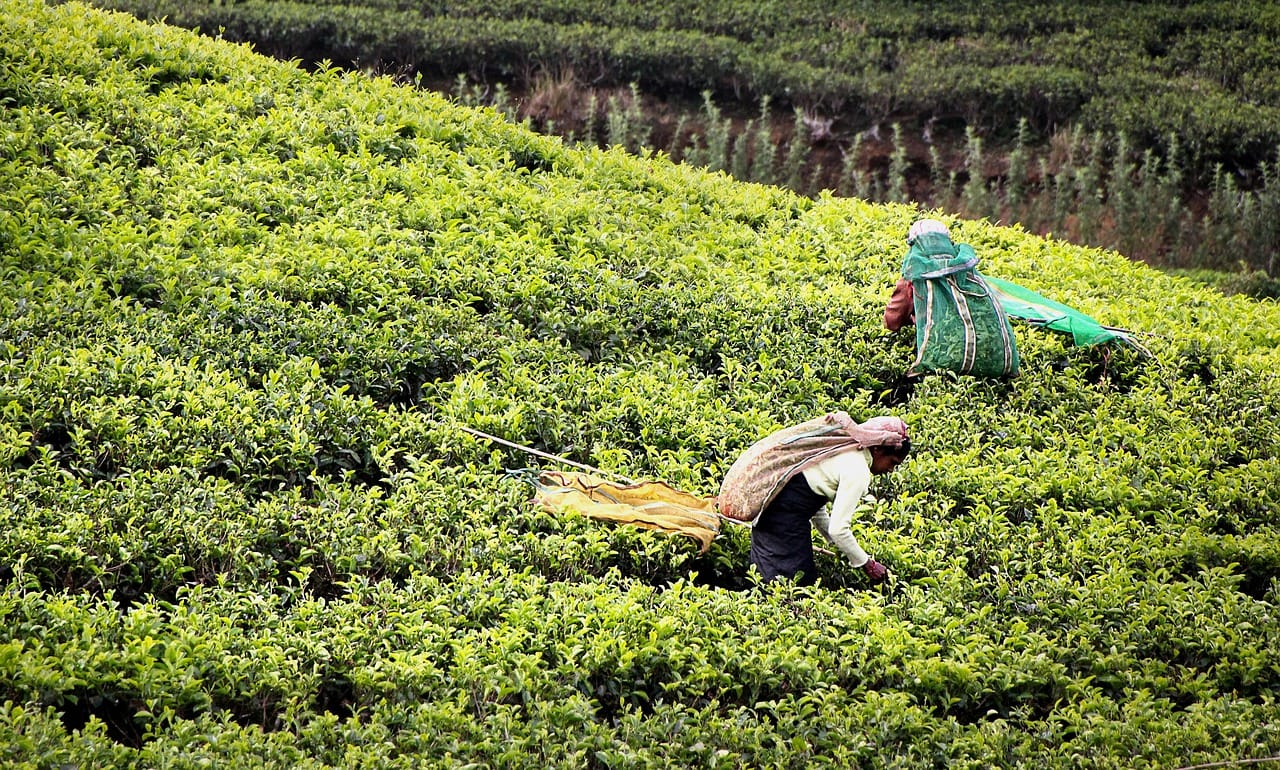
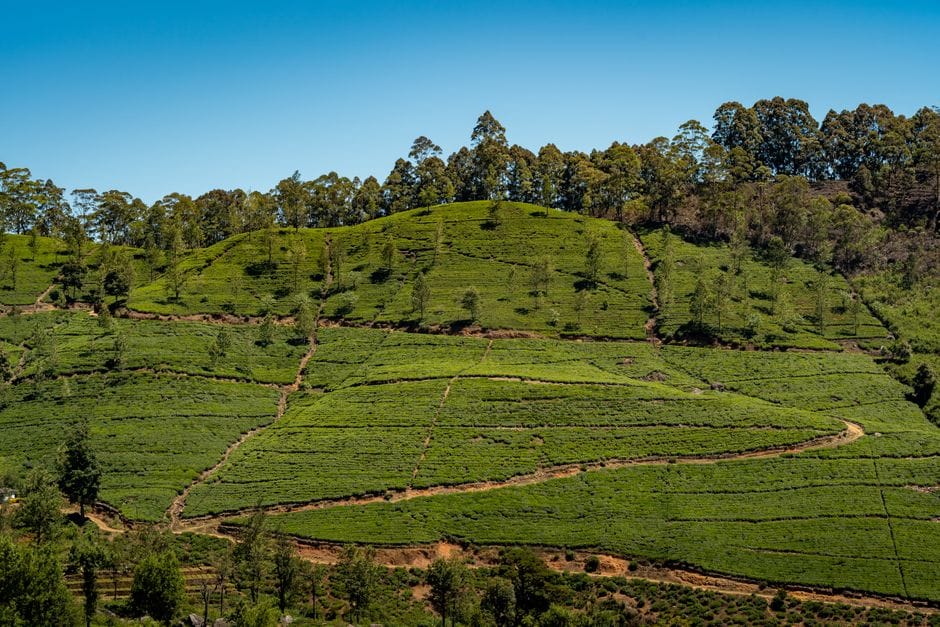
- Hill‑country trains (Colombo to Ella) are a must‑do. The journey takes 6–7 hours and offers sweeping tea‑plantation views. Reserve your seats 30 days ahead; first‑class tickets cost about LKR 2,500.
- Urban trains: In Colombo, the commuter network is limited but growing. Consider using the new “Metro” project once it opens.
Domestic Flights: Speeding Up Long Distances
- Airlines: SriLankan Airlines and Cinnamon Air operate domestic routes. Flights from Colombo to Galle or Mirissa can cut travel time by 1–2 hours.
- Booking: Use the airlines’ Chinese‑language websites or travel agencies in China to secure the best rates.
---
Must‑Visit Destinations for Chinese Travelers
Ella: The Hill‑Country Gem
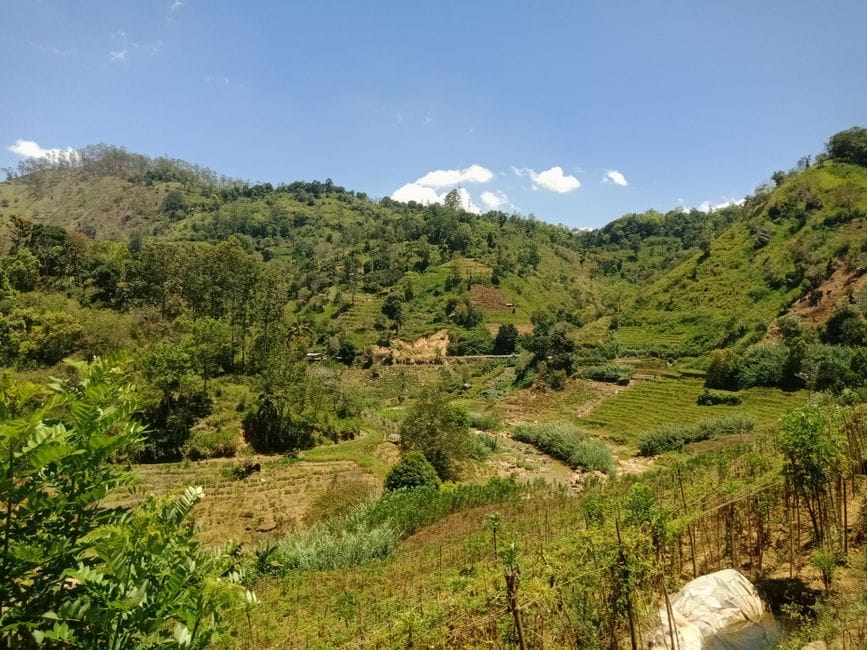
Ella is famous for its tea estates, the Nine Arches Bridge, and the view from Little Adam’s Peak. Chinese tourists love the serene atmosphere and the opportunity to taste authentic Ceylon tea.
- Activities: Trek to Little Adam’s Peak (3 km loop), visit Ravana Falls, or shop for hand‑woven scarves in the local market.
- Best time: May to September is dry, ideal for hiking. Avoid the monsoon season (November–January).
Sigiriya: The Rock Fortress
Sigiriya is a UNESCO World Heritage site and a symbol of Sri Lankan heritage. Chinese visitors often marvel at the frescoes and the panoramic view from the top.
- Ticket: Entry is about LKR 1,200 for adults. The climb is steep but rewarding.
- Tips: Arrive early (around 8 am) to beat the crowds and the heat.
Mirissa: Beach Bliss
Mirissa offers golden sands, whale watching, and a laid‑back vibe. Many Chinese travelers prefer Mirissa for its relaxed atmosphere compared to Colombo’s bustle.
- Whale watching: Book a tour between November and April for the best sightings.
- Dining: Fresh seafood is a must‑try; ask the local waiter for the “most popular dish.”
Galle: Colonial Charm
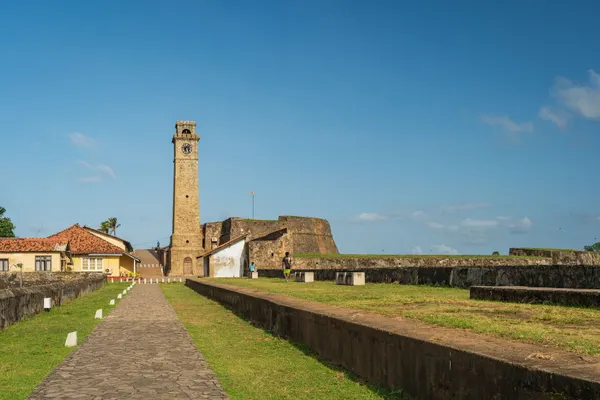
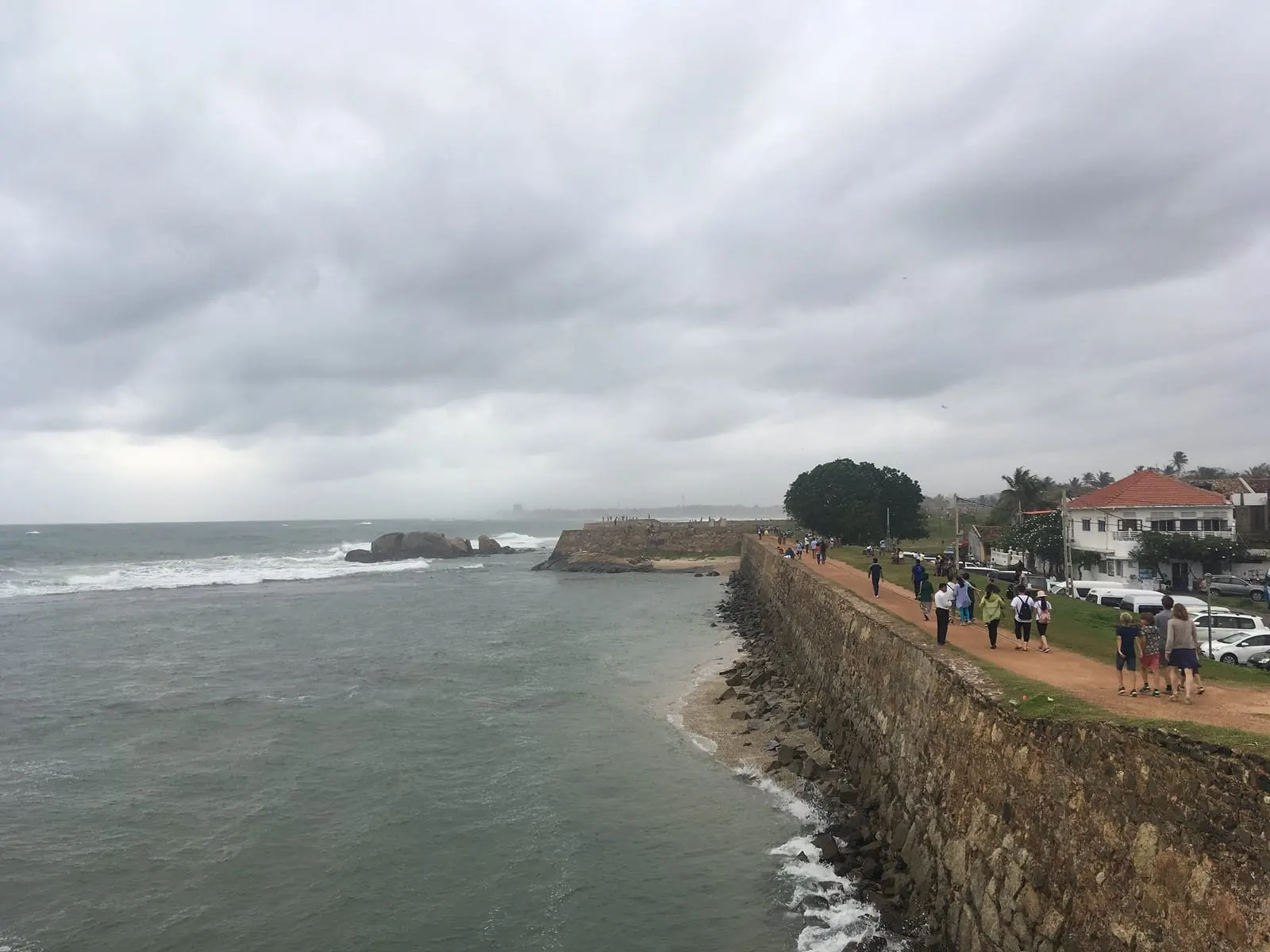
Galle Fort is a living museum with cobblestone streets, Dutch-era architecture, and boutique shops. Chinese tourists enjoy the blend of history and modern café culture.
- Highlights: Visit the Galle Lighthouse, stroll along the ramparts, and explore the spice market.
- Shopping: Look for handmade silver jewelry and local textiles – great souvenirs.
---
Shopping and Souvenirs: What to Bring Home
Sri Lanka is famed for its spices, gemstones, and handicrafts. Chinese travelers often look for authentic, high‑quality items that can’t be found back home.
- Spices: Visit the Spice Gardens in Kandy or the markets in Colombo. Ceylon cinnamon, cardamom, and pepper are top picks.
- Gemstones: Sri Lanka is a major source of sapphires and rubies. Purchase from reputable shops in Ratnapura; ask for a certificate of authenticity.
- Handicrafts: Hand‑woven saris, lacquerware, and wooden masks are popular. Look for the “Kandyan” style for a touch of local culture.
---
Safety and Health: Staying Secure on the Island
Sri Lanka is generally safe for tourists. However, keep these practical tips in mind:
- Emergency numbers: Police 119, ambulance 1990, fire 110, tourist police 1912.
- Pickpocketing: Stay vigilant in crowded areas; keep your wallet in a front pocket.
- Health: Drink bottled water (price ~LKR 120 per litre). Carry hand sanitizer and a basic first‑aid kit.
- Travel insurance: Highly recommended, especially for medical emergencies and trip cancellations.
---
FAQ
1. How long does the ETA approval take for Chinese travelers?
The ETA approval is typically instant or within 24 hours if you apply online. If you miss the online step, you can still get a visa on arrival, but it may take up to 30 minutes.
2. Do I need a power adapter for my phone charger in Sri Lanka?
Most phone chargers are dual‑voltage (100–240 V) and will work directly. For laptops or devices that only accept 110 V, bring a universal adapter that fits the Type G sockets.
3. What is the best way to travel from Colombo to Ella?
The scenic train from Colombo to Ella is a must‑experience. Reserve seats 30 days ahead; first‑class tickets cost about LKR 2,500. Alternatively, a private car or bus takes 4–5 hours.
4. Are there any seasonal weather differences between China and Sri Lanka?
Sri Lanka’s climate is tropical. The monsoon season (November–January) brings heavy rain to the west coast, while the east coast is drier. Chinese travelers from temperate regions may find the humidity high, especially during the wet season.
5. Can I use my Chinese bank cards in Sri Lanka?
Many hotels, larger shops, and restaurants accept major credit cards (Visa, MasterCard). However, smaller vendors may only accept cash. It’s wise to carry some local currency (LKR) and a small amount of USD.
6. How do I get a SIM card in Sri Lanka?
You can purchase a local SIM from the airport or a convenience store. Plans are inexpensive: a 30‑day data plan costs about LKR 3,000. Register with your passport at the point of purchase.
7. What should I do if I get sick while traveling?
Seek medical attention at a licensed hospital or clinic. The largest hospitals in Colombo (e.g., Colombo National Hospital) offer English‑speaking staff. Carry your travel insurance details and a list of medications.
8. Is it safe to drink tap water in Sri Lanka?
No, tap water is not potable. Stick to bottled water (LKR 120 per litre) and avoid ice unless you’re sure it’s made from purified water.
---
Conclusion
Sri Lanka offers a rich tapestry of culture, history, and natural beauty that resonates with Chinese travelers. By understanding the visa process, planning your flights, preparing for local transport, and knowing where to shop, you’ll navigate the island with confidence. Remember to respect local customs, stay alert, and enjoy the warmth of Sri Lankan hospitality. Whether you’re hiking up Sigiriya, sipping tea in Ella, or watching whales off Mirissa’s coast, the island will leave you with memories that last a lifetime. Safe travels and enjoy the pearl of the Indian Ocean!