
Introduction
Traveling through Sri Lanka feels like stepping into a living tapestry of tea‑laden hills, golden temples, and bustling spice markets. Every smile you meet, from the street vendor handing you a fragrant cinnamon stick to the guide pointing out a hidden waterfall, carries a quiet invitation to share gratitude. In this island culture, tipping is not a rigid rule but a gentle gesture that acknowledges hard work and heartfelt hospitality. Knowing how much to tip, when to use local rupees or US dollars, and which services truly deserve a bonus can smooth your journey and deepen connections. This guide unpacks the accepted ranges for each type of service, offers practical tips for handling cash, and answers common questions so you can tip confidently and respectfully across Sri Lanka.
Restaurants and Cafés
In most Sri Lankan restaurants, especially those catering to tourists, a service charge of about 10 % often appears on the bill. When this charge is present, an extra tip is optional but appreciated if the service feels personal or exceptionally warm. In eateries where no service charge is listed, a cash tip of 5–10 % of the total is customary. For a meal costing LKR 2,000 (≈ US$6.70), leaving LKR 200–300 (≈ US$0.70–1) shows gratitude without breaking the bank. Upscale venues may expect a tip closer to 10 % if the staff go above and beyond, while modest family cafés might welcome a small note of LKR 50–100. Always tip in local currency to avoid conversion fees, though larger tips of US$5–10 per day are welcomed by waitstaff who handle many tables and long shifts.
Tour Guides and Free Walking Tours
A knowledgeable guide can transform a simple site visit into a vivid story of ancient kingdoms and modern life. For private, multi‑day, or walking tours, the accepted practice is to tip around 10 % of the tour cost. If a day tour costs US$80, a tip of US$8 reflects appreciation for the guide’s expertise, enthusiasm, and effort to keep the group on schedule. Free or “pay‑what‑you‑like” tours rely heavily on tips, so consider offering a contribution that matches the value you felt—often US$5–10 per person. Some guides may also appreciate a positive TripAdvisor review, but cash remains the most direct way to support them, especially when they receive a modest base salary. Hand the tip in a sealed envelope at the end of the tour to keep the gesture discreet and professional.
Private Drivers and Chauffeur‑Guides
Long hours on winding coastal roads, sudden rain showers, and the need to keep luggage safe make a private driver an indispensable companion. The prevailing guideline is US$5–10 per day per couple for a driver who also acts as a guide, adjusting upward for particularly challenging routes or luxury vehicles. For example, a week‑long road trip along the southern coast would merit a total tip of US$35–70, handed over in cash at the journey’s end. Drivers usually accept both US dollars and Sri Lankan rupees; however, converting to LKR (≈ US$1 = LKR 300) ensures they can use the money immediately for daily expenses. If the driver provides extra services—such as arranging airport pickups or recommending hidden eateries—consider adding a small bonus to acknowledge the added effort.
Hotel Staff: Porters, Housekeeping, and Concierge
Hotel personnel often work behind the scenes, lifting bags, refreshing rooms, and arranging tours. A tip of about LKR 300 per day (roughly US$1) is typical for housekeeping; placing the cash in an envelope with a note “Thank you” before cleaning begins signals your appreciation. Porters usually receive about LKR 100–200 per bag. For concierge services that involve special arrangements—like securing a table at a popular restaurant or organizing a last‑minute excursion—consider a tip of LKR 500–1,000. If you stay at a boutique hotel or villa where staff share tips, a lump sum of LKR 1,500–2,500 per day can be left for the manager to distribute fairly among the team. Always tip in local currency unless the establishment explicitly requests US dollars.
Taxis, Tuk‑Tuks, and Ride‑Sharing
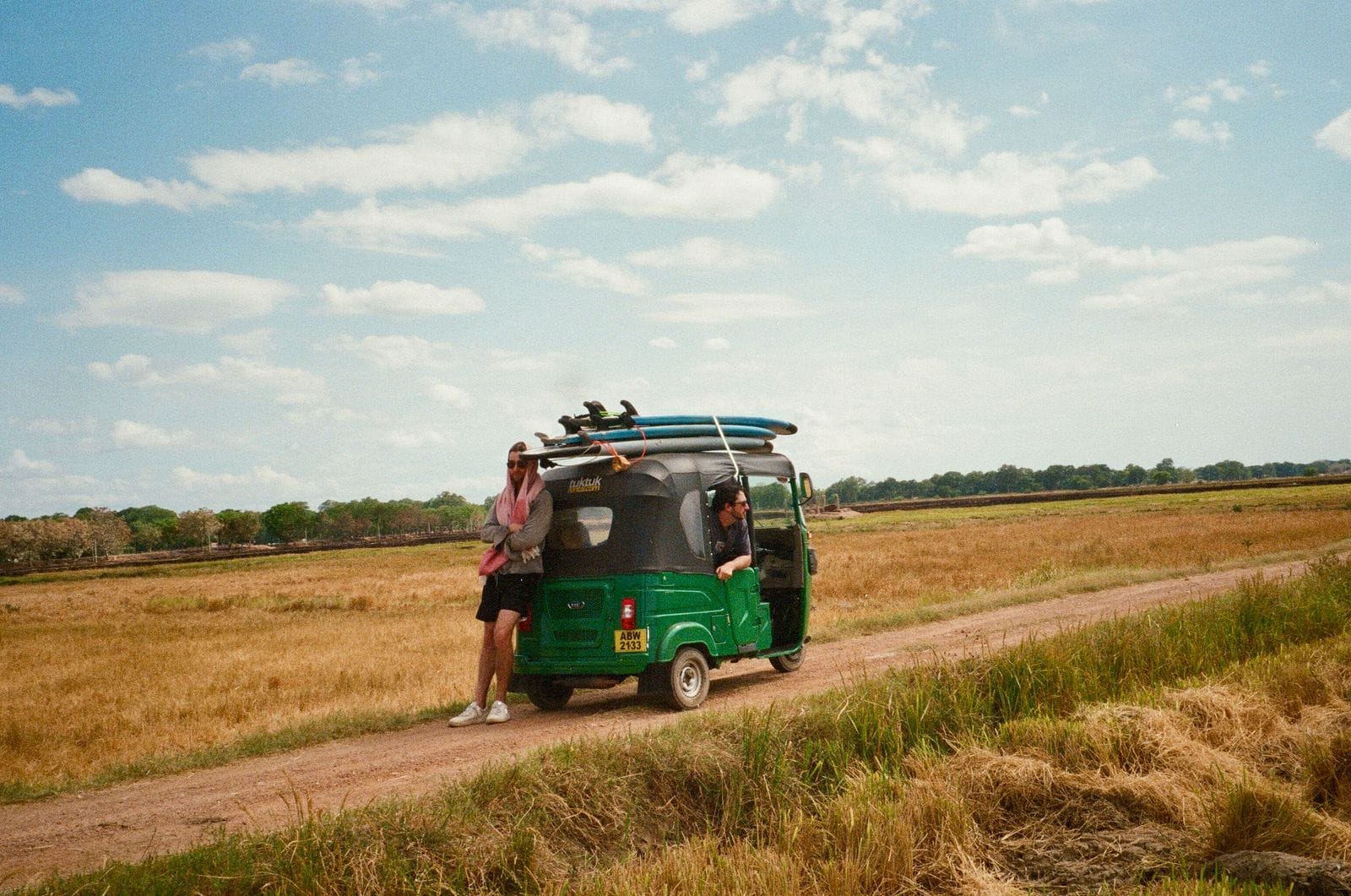
While Sri Lankan taxi drivers do not expect a tip, rounding up the fare is a courteous practice. If a meter reads LKR 1,250, handing over LKR 1,500 shows goodwill and simplifies the transaction. For tuk‑tuks, which often lack meters, agree on a price first and then add a small extra—perhaps LKR 50–100—if the driver navigates traffic skillfully or helps with luggage. Ride‑sharing apps such as PickMe allow you to add a tip within the app; a 5–10 % addition works well. Remember that drivers earn modest wages, so even a modest rounding up can make a noticeable difference in their day.
Spas, Salons, and Specialty Services
Wellness centers, hair salons, and massage parlors in tourist areas usually do not include a service charge. A tip of LKR 500–1,000 (≈ US$1.70–3.30) per one‑hour session reflects satisfaction with the therapist’s skill and ambiance. For longer treatments—like a two‑hour Ayurvedic massage—a tip of LKR 1,000–2,000 (≈ US$3.30–6.70) aligns with the time and expertise invested. If you receive a complimentary upgrade, such as an aromatic oil addition, a modest extra shows that you value the added care. As with other services, cash in local rupees is preferred, but many upscale spas accept US dollars without issue.
Currency, Exchange, and Practical Tips
Sri Lanka’s exchange rate hovers around LKR 300 per US$1, making it easy to calculate tip amounts on the fly. Carry a small stash of low‑denomination notes (LKR 100 and 500) for everyday tips, and keep a few US$5 and $10 bills for larger gestures to drivers, guides, and hotel staff. Bottled water typically sells for LKR 120 per litre, so budgeting a modest tip does not strain your travel funds. When paying by card, verify whether a service charge has already been added; avoid double‑tipping by checking the receipt carefully. If you forget cash, most hotels have a currency exchange desk, but the rates may be less favorable than local banks. Always keep your tips discreet, preferably in envelopes, to maintain the dignity of both giver and receiver.
Frequently Asked Questions
How much should I tip in a restaurant without a service charge?
When a restaurant bill lacks a service charge, aim for a cash tip of 5–10 % of the total amount. For a LKR 2,500 meal, leaving LKR 125–250 (≈ US$0.40–0.80) signals appreciation without overpaying. If the staff go above and beyond—offering menu explanations, accommodating dietary needs, or providing swift service—bumping the tip toward 10 % feels appropriate.
Is it okay to tip tour guides in US dollars?
Yes. Guides often travel across the country and find US dollars easy to exchange. A tip of US$5–10 per day per person, or 10 % of the tour price, works well. Hand the money in an envelope at the end of the tour, and include a brief thank‑you note to make the gesture personal and memorable.
Do taxi drivers expect a tip, or should I just round up?
Taxi drivers do not require a tip, but rounding up the fare to the nearest convenient amount is considered polite. For example, if the meter reads LKR 1,230, handing over LKR 1,500 or LKR 1,300 (depending on the situation) is customary. This small extra helps cover fuel costs and shows respect for the driver’s effort.
What is the recommended tip for hotel housekeeping?
A tip of about LKR 300 (roughly US$1) per room per day is standard. Place the cash in a sealed envelope with a note like “Thank you” before the housekeeping staff enters. If you stay for several nights, you can either tip each day or leave a lump sum at checkout, ensuring the amount is clearly earmarked for the cleaning team.
Should I tip private drivers in local currency or dollars?
Both are acceptable, but local rupees are more immediately useful for drivers who need to pay for fuel, meals, and daily expenses. If you prefer dollars, convert them to rupees at a reasonable rate (≈ LKR 300 per US$1) before handing them over, or ask the driver which they prefer. A tip of US$5–10 per day per couple is a good benchmark.
Are tips mandatory in Sri Lanka?
No, tipping is not compulsory, but it is widely expected as a sign of gratitude. Service workers often earn low wages, so a modest tip can make a significant difference in their day. If the service falls short, you are not obligated to tip; however, offering constructive feedback to management can also help improve future experiences.
How do I tip in a spa or salon?
For a standard one‑hour treatment, a tip of LKR 500–1,000 (≈ US$1.70–3.30) is appropriate. For longer or specialized services, increase the amount proportionally—up to LKR 1,000–2,000 for a two‑hour Ayurvedic massage. Cash in rupees works best, but many upscale spas accept US dollars without issue.
What should I do if a bill already includes a service charge?
If a service charge (usually 10 %) appears as a separate line item, an additional tip is optional. You may leave a small extra amount—perhaps LKR 50–100—if the staff provided exceptional attention. Otherwise, the service charge alone is considered sufficient compensation.
Conclusion
Tipping in Sri Lanka blends practicality with cultural respect, turning ordinary transactions into moments of shared appreciation. By following the simple guidelines—10 % in restaurants without a service charge, US$5–10 per day for drivers and guides, and modest daily amounts for hotel staff—you honor the people who make your island adventure smooth and memorable. Keep a handful of small rupee notes, carry a few US dollars for larger gestures, and always check the bill for existing service charges. A thoughtful tip not only rewards hard work but also deepens the connection between visitor and host, ensuring that the warm smiles you receive linger long after you leave Sri Lanka’s sun‑kissed shores.