

As the sun rises over the horizon, a hot air balloon gently lifts off the ground, carrying its passengers on a serene and breathtaking journey. With its rich history and stunning views, hot air ballooning has become a popular recreational activity and tourist attraction worldwide. However, like any adventure sport, it comes with its own set of risks and concerns. One of the most pressing questions on the minds of potential passengers is: what is the fatality rate of hot air balloons? To answer this question, we must delve into the world of hot air ballooning, exploring its safety record, accident statistics, and the measures in place to minimize risks.
Understanding Hot Air Balloon Safety
Hot air balloon flights are statistically very safe, with a fatality rate of less than 0.001% globally. This impressive safety record is attributed to the rigorous training and certification of commercial pilots, as well as the strict maintenance and inspection of balloon equipment. Certified commercial operators have strong safety records, and most accidents occur with non-commercial operators or those who violate weather minimums. According to data compiled by the National Transportation Safety Board (NTSB) in the United States and corroborated by European and Turkish aviation authorities, hot air ballooning is one of the safest forms of aviation when conducted by certified operators under appropriate conditions.
Factors Associated With Fatalities And Injuries
Research has identified several factors that contribute to the severity of hot air balloon crashes. A study published on PubMed found that pilot error or incapacitation was the primary cause of 85.1% of crashes, while collision with the ground was the most significant predictor of a fatality or serious injury. Power-line contact was also found to be a significant predictor of fatality. These findings highlight the importance of proper pilot training, adherence to safety protocols, and careful planning of flight routes to avoid potential hazards. By understanding these factors, commercial operators can take proactive measures to minimize risks and ensure a safe and enjoyable experience for their passengers.
Exploring Sri Lanka By Hot Air Balloon
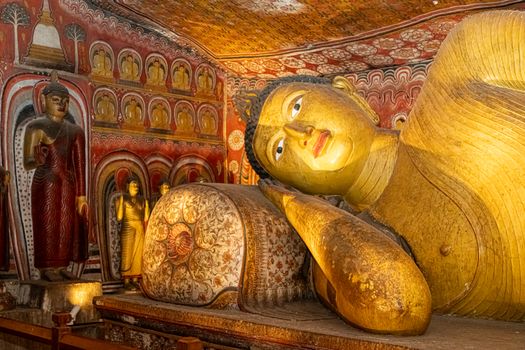
Sri Lanka, with its stunning landscapes and rich cultural heritage, is an ideal destination for hot air ballooning. From the ancient rock fortress of Sigiriya to the vibrant city of Colombo, and the picturesque towns of Kandy and Galle, Sri Lanka offers a unique and breathtaking perspective from above. As you soar through the skies, you can witness the majestic beauty of the country's diverse landscapes, including the rolling hills, lush forests, and pristine beaches. With its favorable climate and stunning scenery, Sri Lanka has become a popular destination for hot air ballooning enthusiasts, offering an unforgettable experience that combines adventure, culture, and natural beauty.
Safety Measures And Regulations
To ensure the safety of passengers, commercial hot air balloon operators are subject to strict regulations and guidelines. In Sri Lanka, for example, operators must adhere to the guidelines set by the Civil Aviation Authority, which includes regular maintenance and inspection of equipment, proper training and certification of pilots, and careful planning of flight routes. Additionally, operators must also comply with international safety standards, such as those set by the International Civil Aviation Organization (ICAO). By adhering to these regulations and guidelines, commercial operators can minimize risks and provide a safe and enjoyable experience for their passengers.

Choosing A Reputable Operator
When selecting a hot air balloon operator, it is essential to choose a reputable and safety-conscious company. Look for operators that are certified by relevant authorities, have a strong safety record, and adhere to strict maintenance and inspection protocols. It is also crucial to research the operator's reputation, read reviews, and ask questions about their safety procedures and emergency protocols. By choosing a reputable operator, you can minimize risks and ensure a safe and enjoyable experience. In Sri Lanka, for example, operators such as Balloon Sri Lanka and Sri Lanka Ballooning offer safe and exhilarating hot air balloon rides over the country's stunning landscapes.
Preparing For Your Hot Air Balloon Adventure
As you prepare for your hot air balloon adventure, it is essential to be aware of the potential risks and take necessary precautions. This includes dressing appropriately for the flight, wearing comfortable clothing and sturdy shoes, and bringing essential items such as sunscreen, sunglasses, and a camera. It is also crucial to listen to the pilot's instructions and follow safety guidelines, such as staying within the designated area and avoiding loose items that could become projectiles during the flight. By being prepared and aware of the potential risks, you can minimize risks and ensure a safe and enjoyable experience.
Cultural And Historical Significance Of Hot Air Ballooning
Hot air ballooning has a rich cultural and historical significance, dating back to the 18th century when the first successful flight was made by the Montgolfier brothers in France. Since then, hot air ballooning has evolved into a popular recreational activity and tourist attraction, with many countries around the world offering hot air balloon rides over stunning landscapes and historical sites. In Sri Lanka, for example, hot air ballooning offers a unique perspective on the country's rich cultural heritage, including the ancient cities of Anuradhapura and Polonnaruwa, and the vibrant city of Kandy. By experiencing hot air ballooning, you can gain a deeper appreciation for the history and culture of the destination, while also enjoying a thrilling and unforgettable adventure.
Conclusion
In conclusion, the fatality rate of hot air balloons is extremely low, with a global rate of less than 0.001%. By choosing a reputable operator, following safety guidelines, and being aware of the potential risks, you can minimize risks and ensure a safe and enjoyable experience. Whether you are flying over the stunning landscapes of Sri Lanka or exploring the cultural heritage of other destinations, hot air ballooning offers a unique and breathtaking perspective on the world. So why not take to the skies and experience the thrill of hot air ballooning for yourself? With its rich history, stunning views, and strong safety record, hot air ballooning is an adventure you will never forget.
Frequently Asked Questions
What is the fatality rate of hot air balloons?
The fatality rate of hot air balloons is less than 0.001% globally, making it one of the safest forms of aviation.
What are the most common causes of hot air balloon accidents?
The most common causes of hot air balloon accidents include pilot error or incapacitation, collision with the ground, and power-line contact.
How can I minimize risks when choosing a hot air balloon operator?
To minimize risks, choose a reputable operator that is certified by relevant authorities, has a strong safety record, and adheres to strict maintenance and inspection protocols.
What should I wear and bring on a hot air balloon flight?
Wear comfortable clothing and sturdy shoes, and bring essential items such as sunscreen, sunglasses, and a camera.
Can I fly over any location in Sri Lanka?
While hot air balloon flights are available over many locations in Sri Lanka, some areas may be restricted due to weather conditions, air traffic control, or other factors.
How long does a typical hot air balloon flight last?
A typical hot air balloon flight can last anywhere from 1 to 2 hours, depending on the location and weather conditions.
Can I bring my children on a hot air balloon flight?
Yes, many hot air balloon operators welcome children on their flights, but it is essential to check with the operator beforehand to ensure that they can accommodate children and provide any necessary safety equipment.
What is the best time to go hot air ballooning in Sri Lanka?
The best time to go hot air ballooning in Sri Lanka is during the dry season, from December to April, when the weather is calm and clear.