
Introduction
The southern coast of Sri Lanka hums with marine life, but few spectacles rival the majestic blue whale, the planet’s largest animal. Between November and April, especially February and March, the deep water off Mirissa on the south coast becomes a stage where these colossal giants glide silently; from around May to September the best sightings shift to Trincomalee on the east coast. For travelers who crave the thrill of witnessing such grandeur, understanding where and when to go is crucial. This guide maps the prime locations, outlines the optimal seasons, and offers practical advice so your quest to spot a blue whale turns into a reality rather than a wishful dream.
Mirissa: The Flagship Whale‑Watching Destination
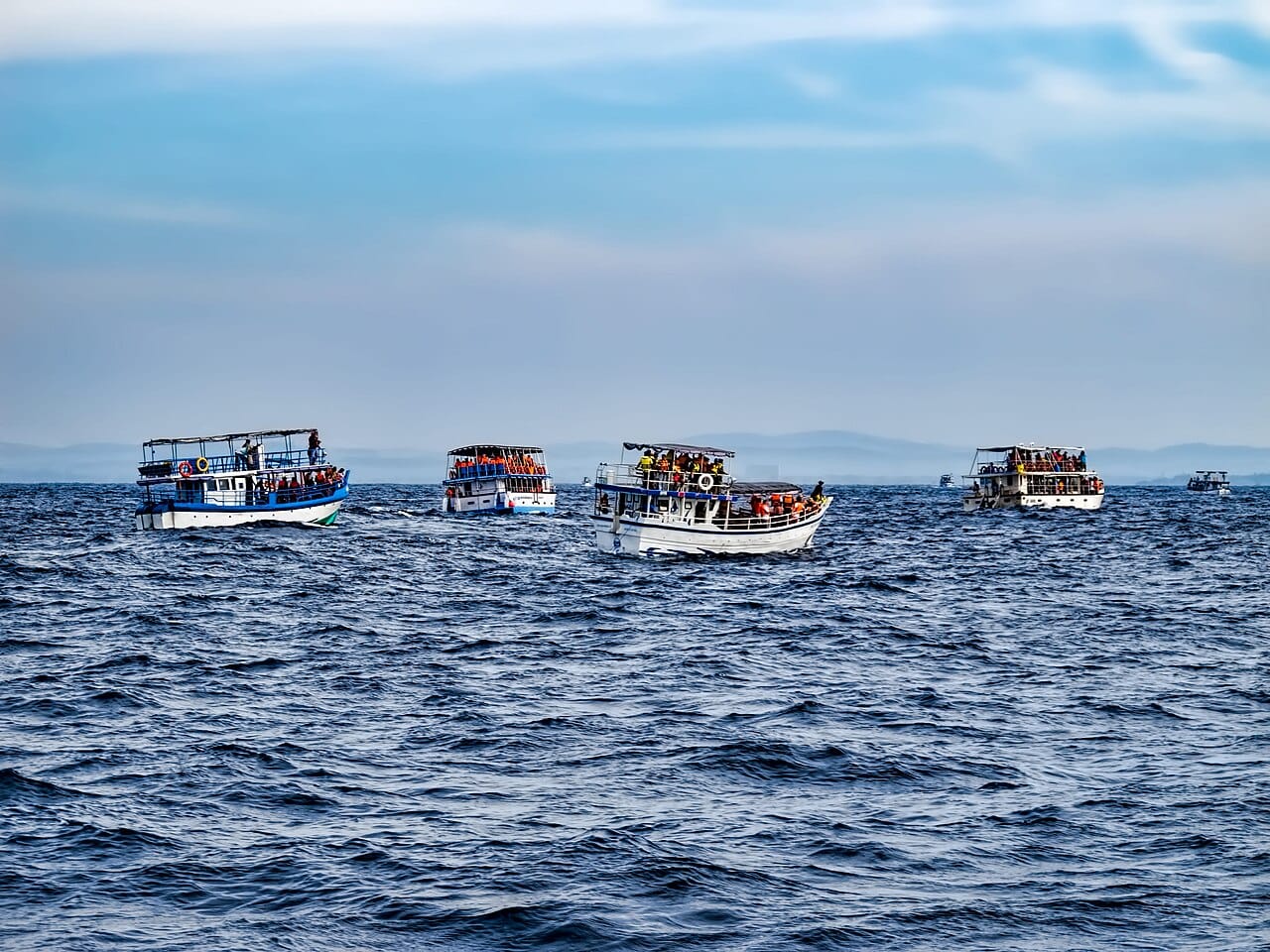
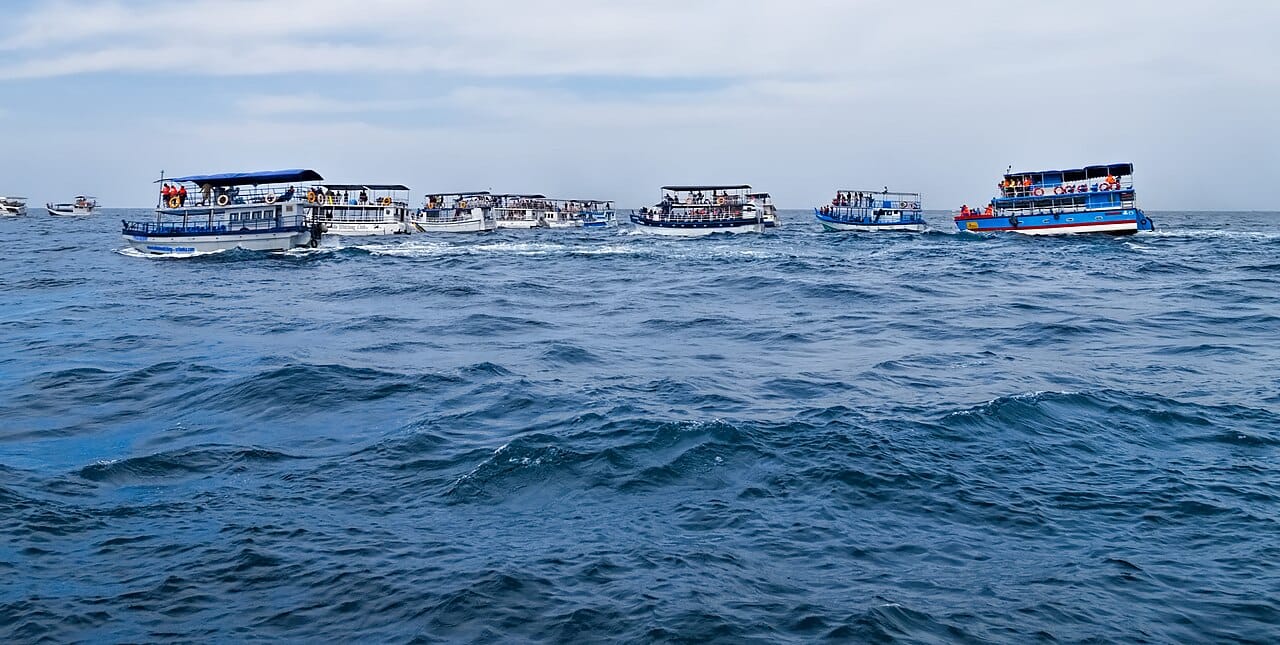
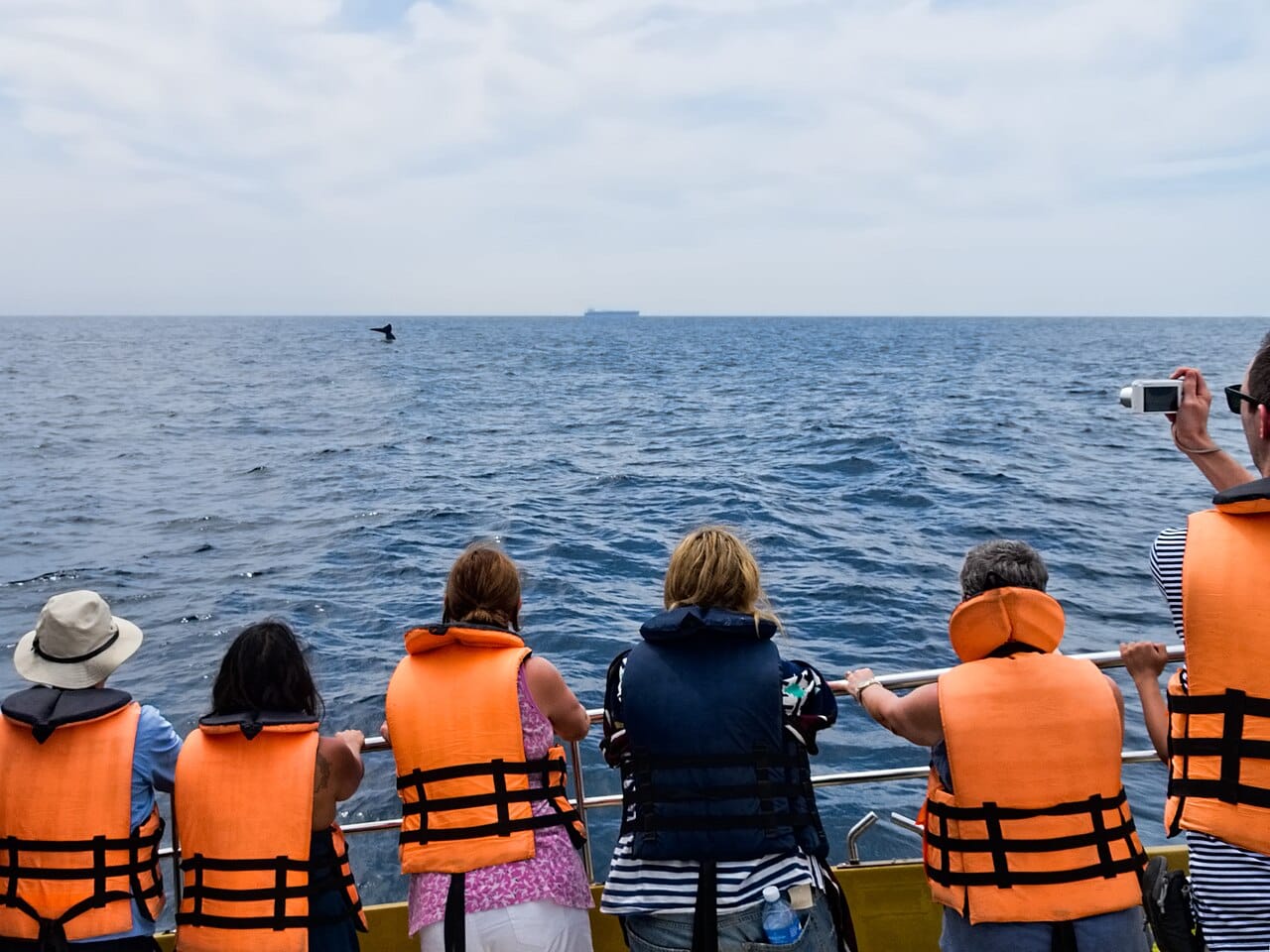
Mirissa sits near the southern tip of Sri Lanka, where the continental shelf is narrow and deep, food-rich water lies just a few kilometres offshore. The town’s calm, clear waters and steady breezes make it an ideal launch point for boat tours. From 6:30 am, several operators depart Mirissa Harbour, offering 3‑5‑hour excursions that often culminate in a breathtaking sight: a blue whale surfacing to blow, then raising its tail flukes as it dives. The peak months—February and March—usually give you the highest chance of spotting these giants. Standard shared tours typically cost around US$35–50 (roughly LKR 10,500–15,000) per adult, with premium and private boats costing more, and tours usually include a brief safety briefing, a small snack, and a chance to photograph the whale from a respectful distance.
Galle: Culture Meets the Sea
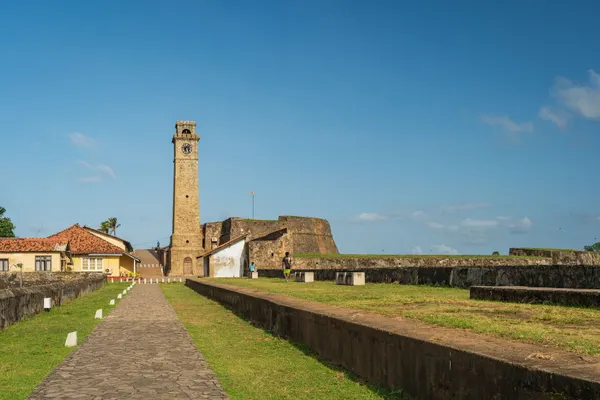
About 35 km west of Mirissa lies Galle, whose UNESCO‑listed fort makes it one of the most popular bases on the south coast. Most whale‑watching boats still leave from Mirissa Harbour, roughly an hour's drive away, and many operators offer early‑morning hotel pick‑ups from Galle and the beaches in between. Staying in Galle lets you combine a whale‑watching morning (November to April) with an afternoon exploring the fort's ramparts, churches and cafés.
Trincomalee: The Eastern Frontier
While the south coast dominates the blue‑whale narrative, Trincomalee on the east coast also offers occasional sightings, mainly from around May to September, when the south-west monsoon makes the south coast too rough. The harbor’s calm, protected waters and proximity to the coral reefs make it a hidden gem for those willing to venture further. Though sightings are less frequent than in Mirissa, the experience is enriched by the chance to explore Fort Frederick, built by the Portuguese in the 1620s and later rebuilt by the Dutch, and the vibrant local fishing communities. If you plan a multi‑destination trip, a stop in Trincomalee can diversify your marine encounters.
Kalpitiya: Dolphin‑Centric, Whale‑Possible
Kalpitiya, located on the northwest coast, is renowned for its spinner dolphin populations. However, from November to April, the area also attracts sperm whales and, on rare occasions, blue whales. A typical four‑hour boat ride takes you through shallow lagoons and past mangrove forests, offering a panoramic view of the marine ecosystem. While the probability of seeing a blue whale here is lower than in Mirissa, the chance to witness a school of dolphins leaping in sync with the waves makes it a worthwhile detour for those seeking a broader marine adventure.
Aerial Whale Watching: A Bird’s Eye View
For those who prefer to avoid seasickness or simply crave a unique perspective, aerial whale‑watching flights in small Cessna aircraft have been offered from Koggala, east of Galle (check with the operator that they are currently running), providing a panoramic view of the ocean’s surface and the whales beneath. Passengers can observe the sheer scale of a blue whale as it glides below, a sight that is impossible to replicate from the deck of a boat.
Timing and Weather: The Key to Success
Sri Lanka's blue whales appear to move around the island with the monsoons: they are seen most reliably off the south coast from November to April and off the east coast from around May to September. The peak months—February and March—are usually calmest and give the best sightings, making these months the most reliable for sightings. Calm seas, minimal wind, and clear skies increase the chances of spotting a whale, as they reduce glare and improve visibility. Conversely, the south-west monsoon (May to September) brings rough seas to the south coast, so most Mirissa tours stop during this period; this is when Trincomalee's season runs. Always check with local operators for weather updates before booking.
Choosing the Right Tour Operator
While many tour operators advertise “blue whale watching,” the quality and safety of the experience can vary. Look for operators that:
- Provide a licensed skipper and a trained guide who can explain whale behavior.
- Use boats that maintain a safe distance (typically 100–200 m) to avoid disturbing the animals.
- Offer life jackets, first‑aid kits, and a clear emergency protocol.
- Encourage responsible photography—use a zoom lens and keep a respectful distance.
- Never chase whales, cut across their path or crowd them with other boats; approach slowly from the side and limit time near each animal.
Ask for recent reviews or testimonials, and verify that the operator follows local wildlife protection guidelines. A reputable tour will also provide a brief on how to behave around whales, ensuring both your safety and the whales’ well‑being.
What to Pack for a Whale‑Watching Day
A successful whale‑watching trip depends on preparation. Bring the following essentials:
- Light, quick‑dry clothing: A waterproof jacket, hat, and sunglasses protect against spray and glare.
- Sunscreen (SPF 30+): Apply before you leave and reapply if you’ll be on the boat for several hours.
- Water‑proof bag: Store electronics and valuables in a sealed pouch.
- Camera with zoom: A 10×–20× zoom lens captures the whales without intruding.
- Snacks and water: While most tours provide light refreshments, extra supplies are handy.
- Notebook: Jot down observations or interesting facts you learn from the guide.
Remember, the ocean can be unpredictable—weather can change quickly, and seas may become choppy. Dressing in layers and being ready for sudden rain or wind is wise.
Frequently Asked Questions
1. How often can I realistically expect to see a blue whale in Sri Lanka?
While the odds improve during peak months, blue whales are still elusive. In February and March many boats see blue whales on most trips, but sightings are never guaranteed and some days produce none, depending on weather and sea conditions. Patience and a flexible schedule increase your chances.
2. Are blue whales protected, and do tours impact them?
Blue whales are protected under international conservation laws, and Sri Lanka's 2012 sea-mammal watching regulations, administered by the Department of Wildlife Conservation, set minimum approach distances, although enforcement is patchy. Reputable tours maintain a safe distance (at least 100 m) and avoid sudden movements that could distress the animals. Always choose operators that adhere to these regulations.
3. Can I spot blue whales in the off‑season (May–September)?
The off‑season sees a drastic drop in sightings because the south-west monsoon makes the south coast too rough for most tours. While a few opportunistic sightings may occur, the probability is low. If you plan to visit during this period, focus on other marine activities like snorkeling or dolphin watching.
4. What is the best time of day to go whale‑watching?
Early mornings (6–8 am) offer calmer seas and cooler temperatures, reducing glare and making it easier to spot whales. Many operators schedule tours to start at 6:30 am for these reasons. Late afternoons can also be good, especially if the sun is low, but conditions may be windier.
5. Do I need a special permit to join a whale‑watching tour?
No special permit is required for tourists. However, operators must hold a vessel licence from the Department of Wildlife Conservation. Verify that the operator displays this license before boarding.
6. How close will the boat get to a blue whale?
Guidelines recommend staying at least 100 m from the whale to minimize disturbance. This distance also protects you from sudden splashes or the whale’s tail. Operators will maintain this buffer, allowing you to observe safely and comfortably.
7. Are there any health risks associated with whale‑watching tours?
Standard risks include seasickness and sunburn. Bringing a small bottle of motion‑sickness medication and applying sunscreen can mitigate these issues. Ensure your travel insurance covers marine activities.
8. Can I bring a child on a whale‑watching tour?
Yes, but children should be supervised at all times. Check that the operator has child-size life jackets, bring a small snack, and keep them within the boat’s visible area. Some operators provide child‑friendly guides and safety briefings.
Conclusion
Sri Lanka’s southern coast offers a rare window into the lives of blue whales, the planet’s largest creatures. Mirissa stands out as the prime hotspot, with Galle a convenient base nearby,, with Trincomalee and Kalpitiya providing complementary experiences. By choosing the right season, operator, and preparation, you can transform an ordinary holiday into a once‑in‑a‑lifetime encounter with these magnificent giants. Remember to respect the whales, follow local guidelines, and enjoy the awe‑inspiring sight that only the ocean can provide.