

Introduction
Hoppers, the bowl‑shaped pancakes of Sri Lanka, sit at the heart of every breakfast table and late‑night snack run. Their crisp edges, soft centers, and fragrant aroma of fermented rice flour and coconut milk invite both locals and travelers to linger over a plate. In Colombo, the island’s bustling capital, hopper culture thrives in elegant restaurants, modest cafés, and lively street corners. This guide maps the city’s most authentic hopper venues, explains what makes each unique, and offers practical advice so you can taste the very best—whether you crave a classic plain hopper, a rich egg‑filled “egg hopper,” or an adventurous cheese‑and‑spice blend. Follow the journey, savor the flavors, and let your palate decide which spot earns the title of Colombo’s hopper champion.
Upali’s House – The Classic Colombo Favorite
Upali’s House, tucked behind the Nawaloka Hospital on Ceylon Road, draws crowds from sunrise to sunset. The message is clear: authenticity matters. Upali’s cooks each hopper batter fresh daily, allowing the natural fermentation to develop a subtle tang that sets its hoppers apart. Evidence of this dedication appears in the perfectly crisp rim that crackles under a fork, while the center remains cloud‑soft, ready to cradle generous scoops of coconut sambol, lunu miris, or rich chicken curry. The call‑to‑action is simple—visit early, claim a seat at the wooden communal table, and order the signature egg hopper with crab curry for a taste that epitomizes Colombo’s culinary heritage.
Little Cottage Colombo 8 – Creative Hopper Variations
Little Cottage, located in the vibrant Colombo 8 district, reimagines the humble hopper with a playful twist. The establishment’s message celebrates innovation without abandoning tradition. Evidence of this philosophy shines through inventive toppings: melted cheese, spiced pork, and even a sweet banana‑coconut drizzle for dessert‑style hoppers. Each plate arrives on a polished slate, inviting diners to explore texture and flavor contrasts. The call‑to‑action encourages food‑adventurers to sample the “Black Pork Hopper,” a crowd‑pleaser that pairs tender pork slices with fiery pol sambol, delivering a punchy, satisfying bite that keeps guests returning for more.
Nuga Gama – Village Atmosphere in the City Center
Nuga Gama, meaning “village,” transports patrons to a rustic Sri Lankan hamlet right in the heart of Colombo. The venue’s message emphasizes cultural immersion through food. Evidence of this is evident in the open‑kitchen design, where skilled chefs stir batter in large copper bowls and pour it into traditional hopper pans over wood‑fired burners. The resulting hoppers boast a smoky undertone and a perfectly blistered edge. The call‑to‑action invites diners to sit on low wooden stools, enjoy a side of fresh mango chutney, and savor the experience of a countryside breakfast without leaving the metropolis.
Street Vendors on Galle Face Road – The Raw Authenticity
For those seeking the purest, unfiltered hopper experience, the street vendors lining Galle Face Road offer a compelling message: simplicity reigns supreme. Evidence appears in the modest wooden carts, the rhythmic sizzle of batter meeting hot iron, and the immediate service—hoppers arrive piping hot within minutes of ordering. The toppings remain traditional: a dollop of spicy onion sambol, a spoonful of coconut milk, and a side of fresh lime. The call‑to‑action is direct—approach a vendor, point to the plain hopper, and watch the chef expertly flip it, delivering an authentic taste that has fed Colombo’s residents for generations.
Ministry of Crab – Upscale Twist on a Classic
While Ministry of Crab is celebrated for its seafood, its egg hopper with crab curry showcases a message of culinary elevation. Evidence lies in the meticulous plating: a golden‑brown hopper cradles a velvety crab curry, garnished with micro‑herbs and a drizzle of coconut cream. The juxtaposition of delicate egg batter and robust crab flavors creates a memorable dining moment. The call‑to‑action encourages gourmets to book a reservation, order the “Crab Hopper,” and experience how a traditional street food can be transformed into fine‑dining art.
The Kandy House – Hopper Elegance Outside Colombo
Although not in Colombo, The Kandy House deserves mention for travelers extending their hopper quest to other cities. Its message highlights the harmony of setting and flavor. Evidence surfaces in the garden‑side terrace, where chefs prepare hoppers in large copper pans, allowing the morning mist to mingle with the batter’s aroma. The result is a hopper with an ethereal lightness, paired with a fragrant Kithul treacle. The call‑to‑action invites visitors to schedule a brunch, enjoy the serene surroundings, and compare the subtle differences between Colombo’s urban hoppers and those from the cultural capital.
How to Pair Hoppers with Sri Lankan Sides
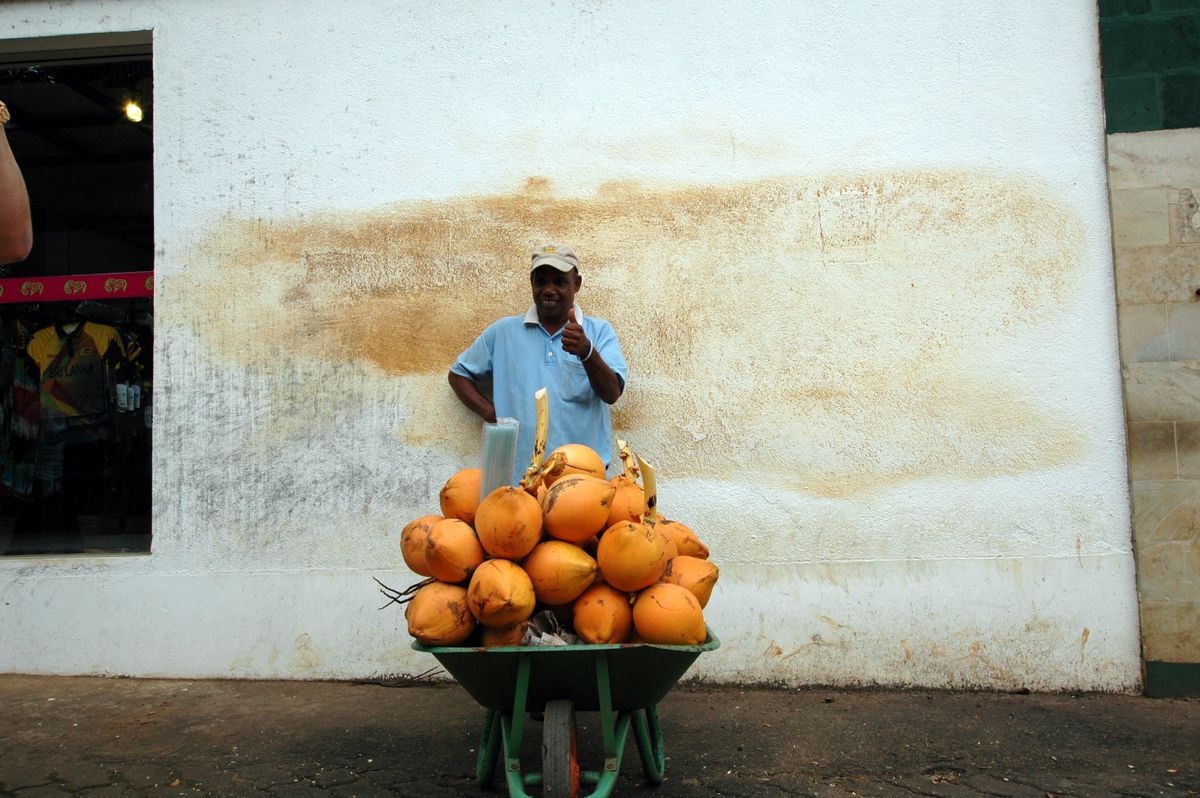
Understanding hopper pairings amplifies the dining experience. The message here is balance: each hopper acts as a vessel for complementary accompaniments. Evidence includes the classic trio—spicy lunu miris, cool coconut sambol, and a hearty chicken or fish curry—each adding layers of heat, sweetness, and umami. For a lighter option, pair a plain hopper with fresh papaya salad and a glass of cool king coconut water. The call‑to‑action encourages diners to experiment: try a cheese hopper with tangy mango chutney, or a sweet banana hopper with a drizzle of jaggery syrup, discovering personal favorites along the way.
FAQ
What makes a hopper “authentic” in Colombo?
An authentic hopper relies on a fermented batter of rice flour, coconut milk, and yeast, cooked in a small, curved iron pan over medium heat. The batter should be poured in a swirling motion, creating a thin edge that crisps while the center stays soft. Authentic stalls and reputable restaurants also serve hoppers fresh to order, ensuring the texture and aroma remain true to tradition.
How much should I expect to pay for a hopper in Colombo?
Street vendors typically charge 40–100 Sri Lankan rupees (≈ 0.20–0.50 USD) per plain hopper. Mid‑range restaurants like Upali’s price hoppers between 150–300 rupees (≈ 0.80–1.60 USD), especially when served with accompaniments such as egg, cheese, or crab curry. Prices reflect the venue’s ambiance, ingredient quality, and portion size.
Are egg hoppers suitable for vegetarians?
Egg hoppers contain a whole egg poured into the batter’s center, making them unsuitable for vegetarians. However, many Colombo eateries offer cheese hoppers, plain hoppers, or “milk hoppers” (made with coconut milk only) that cater to vegetarian diets. Always ask the server for a vegetarian‑friendly option.
Can I find gluten‑free hoppers in Colombo?
Traditional hopper batter uses rice flour, which is naturally gluten‑free. Most authentic hoppers, including those from street vendors, are safe for gluten‑sensitive diners. Nonetheless, some modern cafés may add wheat flour for texture; it’s wise to confirm the batter’s ingredients before ordering.
What time of day is best for eating hoppers?
Hoppers shine at breakfast, when they’re paired with fresh sambols and tea, and at dinner, when richer curries accompany them. Many street stalls operate from early morning until 11 am, then reopen for the evening crowd from 6 pm to 9 pm. Restaurants typically serve hoppers all day as part of a “Sri Lankan breakfast” menu.
How do I eat a hopper without making a mess?
Start by breaking off a crisp edge with a fork, then scoop a bite of the soft center onto the same fork. Dip the bite into the accompanying sambol or curry, allowing the flavors to mingle. For egg hoppers, use a spoon to scoop the runny egg yolk before dipping. This method keeps the hopper intact and maximizes taste.
Is it safe to eat street‑vendor hoppers as a tourist?
Yes, street‑vendor hoppers are generally safe. Vendors prepare batter daily, cook hoppers on high heat, and serve them immediately, reducing contamination risk. Observe the stall’s cleanliness, watch the cooking process, and choose vendors with a steady flow of customers—signs of fresh, popular food.
Where can I learn to make hoppers myself?
Several cooking schools in Colombo, such as the “Sri Lankan Culinary Academy,” offer hands‑on hopper workshops. These classes teach batter fermentation, pan technique, and traditional accompaniments. Booking a session provides a deeper appreciation of the craft and a tasty souvenir to bring home.
Conclusion
Colombo’s hopper scene is a tapestry woven from time‑honored recipes, inventive chefs, and bustling street culture. From the steadfast authenticity of Upali’s House to the creative flair of Little Cottage, each venue tells a story of flavor, community, and culinary pride. By exploring the diverse options, pairing hoppers with complementary sides, and embracing the local etiquette of eating, you will experience more than a meal—you’ll partake in a living tradition that defines Sri Lankan hospitality. So, set your compass for Colombo, follow the aroma of sizzling batter, and discover the hopper haven that captures your heart.